Tesla robotaxi crash data reveals reliance on remote teleoperators
New National Highway Traffic Safety Administration records indicate operational hurdles for the electric vehicle maker, including long wait times and inaccurate drop-offs, as it trails competitors like Waymo in autonomous deployment.
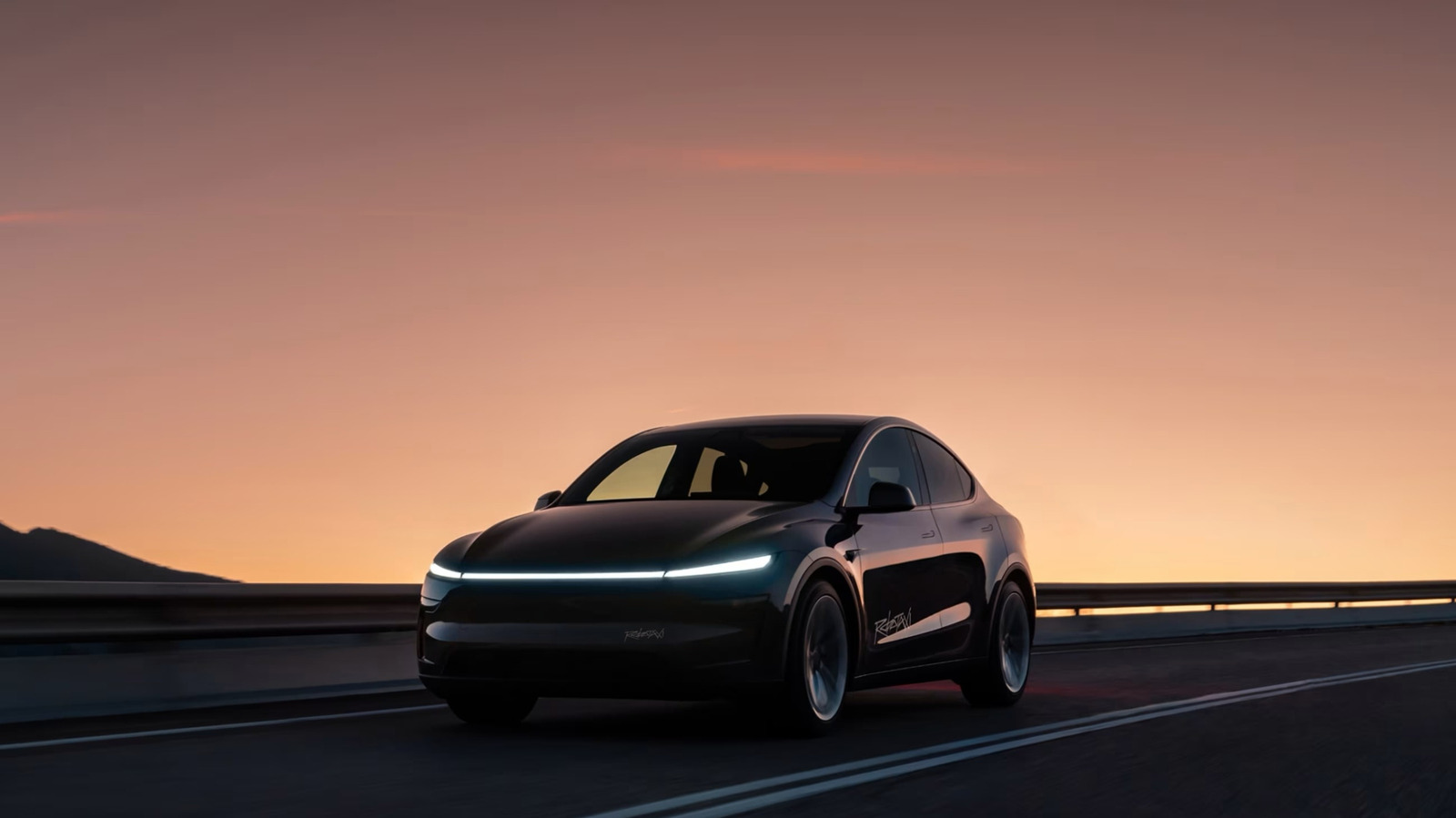
Unredacted data from the National Highway Traffic Safety Administration (NHTSA) indicates that at least two Tesla robotaxi crashes in Austin, Texas, since July 2025 occurred while vehicles were being remotely driven by teleoperators. The filings, which TechCrunch first reported, highlight a significant operational divergence for the electric vehicle maker, as it allows human operators to directly control the autonomous fleet rather than merely consulting with software.
In one incident in July 2025, a safety monitor in the vehicle requested assistance, prompting a remote operator to take control. The operator increased the vehicle's speed before driving it up a curb and into a metal fence. A second crash in January 2026 involved a remote operator striking a temporary construction barricade at approximately 9 mph. Both accidents occurred with a safety monitor present but no passengers on board.
Tesla has disclosed 17 robotaxi incidents in the federal database covering the period from July 2025 to March 2026. While not all incidents involved teleoperators, the data also includes crashes where vehicles clipped mirrors on other cars and an instance where a robotaxi failed to avoid a dog that ran into the street. The US Department of Transportation maintains the database, which requires operators to report certain types of crashes, though Tesla had previously sought to redact portions of its data to protect confidential business information.
Operational challenges extend beyond physical collisions. A recent Reuters report detailed significant service inefficiencies, including wait times exceeding 35 minutes in Houston and Dallas. In one instance, a reporter spent nearly two hours for a 20-minute drive from Southern Methodist University to Dallas City Hall. Additionally, reporters noted multiple instances where robotaxis dropped riders 15 minutes away from their intended destination within the coverage area.
The robotaxi service currently operates in Austin, Dallas, and Houston with fewer than 100 vehicles. Less than half of Tesla’s robotaxis operate without a safety monitor in the passenger seat. While competitors like Waymo also face software issues and crashes, Tesla’s reliance on remote driving and reported service delays suggest it has a long way to go before operating at the scale of its rivals. Tesla did not respond to requests for comment regarding the filings.
