Russia offers students $70,000 to become drone pilots amid recruitment crisis
The Defence Ministry targets technical graduates to reach a goal of 168,000 operators by 2026, but the push faces resistance and risks exacerbating an existing brain drain.
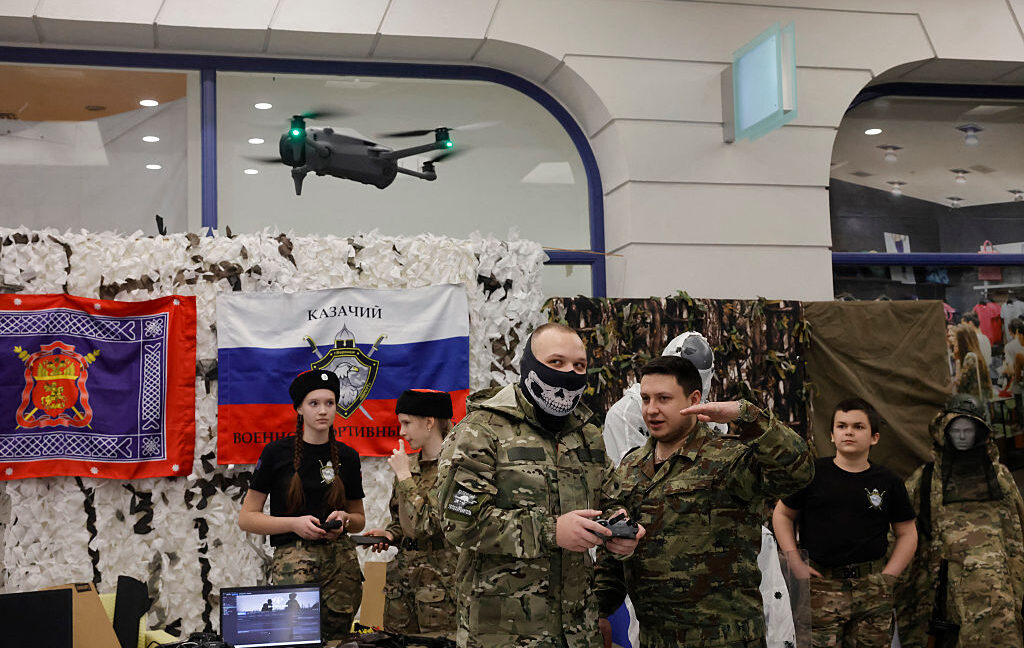
Russian universities are actively recruiting approximately two million male students to serve as military drone pilots, offering incentives that include free tuition, tax holidays, loan forgiveness, and cash payments of up to $70,000. At least 270 academic institutions are promoting one-year military contracts, with pamphlets distributed at Bauman Moscow State Technical University detailing the offers. The Defence Ministry is specifically seeking recruits with expertise in electronics, radio engineering, and computer skills, aiming to bolster the country’s unmanned systems capabilities.
The initiative is designed to help the Russian military reach a target of 168,000 drone operators by the end of 2026, mirroring the structure of Ukraine’s Unmanned Systems Force, which became the world’s first standalone military branch focused on drones in June 2024. Recruitment materials promise that student pilots can avoid frontline combat duty, a claim intended to make service more palatable to a demographic that has shown little enthusiasm for the war effort.
Despite these assurances, the safety of the role is questionable. Constant surveillance and the threat of drone strikes or artillery fire have created a kill zone stretching up to 25 kilometers on both sides of the frontlines. Valery Averin, a 23-year-old student, was identified by the BBC as the first confirmed death among this new cohort, killed in a mortar attack near Luhansk in April after just three months of training.
The recruitment drive carries significant economic risks for Russia, potentially depleting the country’s future skilled workforce. A research study indicated that 24 percent of top Russian software developers active on GitHub may have already left the country within the first year of the full-scale invasion. Students have expressed resistance to the campaign, with one university student telling NBC News that no one is interested in joining the war effort.
This push for personnel comes as Russia’s spring-summer 2026 offensive against Ukraine’s Fortress Belt has mostly stalled. The Russian military’s recruitment rate has dipped below replacement levels for the first time, coinciding with SpaceX cutting off Russian forces’ access to Starlink terminals. Meanwhile, Ukraine has mitigated its own infantry shortages by deploying ground robots, while Russian forces have largely abandoned armored assaults in favour of attritional infantry advances.