Tesla Q2 earnings preview: Record sales mask deepening cash burn from AI and robotics bets
Revenue is forecast to hit $26.21 billion, driven by a 25% rise in vehicle deliveries, yet free cash flow is projected to plunge to negative $3.254 billion as the company funds Optimus, Cybercab, and AI infrastructure.
Tesla is scheduled to release its second-quarter financial results after market close on Wednesday, with analysts projecting revenue of $26.21 billion, a 16% increase year-on-year. This growth is underpinned by a 25% surge in vehicle deliveries to 480,126 units, a figure that significantly exceeded Bloomberg consensus estimates of 397,466. The operational turnaround contrasts sharply with the previous year, when factory changeovers for the new Model Y had depressed output; production has now fully ramped, supported by aggressive global pricing strategies that have resonated with buyers.
Energy storage deployments also strengthened, reaching 13.5 GWh compared to 8.8 GWh in the first quarter. Adjusted earnings per share are estimated at $0.50, with adjusted EBITDA projected at $4.00 billion, a substantial rise from the $2.3 billion posted in the same quarter last year. Market observers note that the fading of political headwinds associated with CEO Elon Musk’s involvement in the White House, alongside the end of what some analysts termed the "EV winter," has contributed to the improved sales trajectory.
Regional performance has been divergent, with Europe emerging as a standout driver for the quarter. Greater Europe registrations rose nearly 108% in May, and EU registrations more than doubled, prompting Tesla to announce increased production capacity at Giga Berlin for the 2026 financial year. In contrast, the US market has faced headwinds, with Cox Automotive estimating that Tesla sales in the region are down 20% following the expiration of the federal EV tax credit.
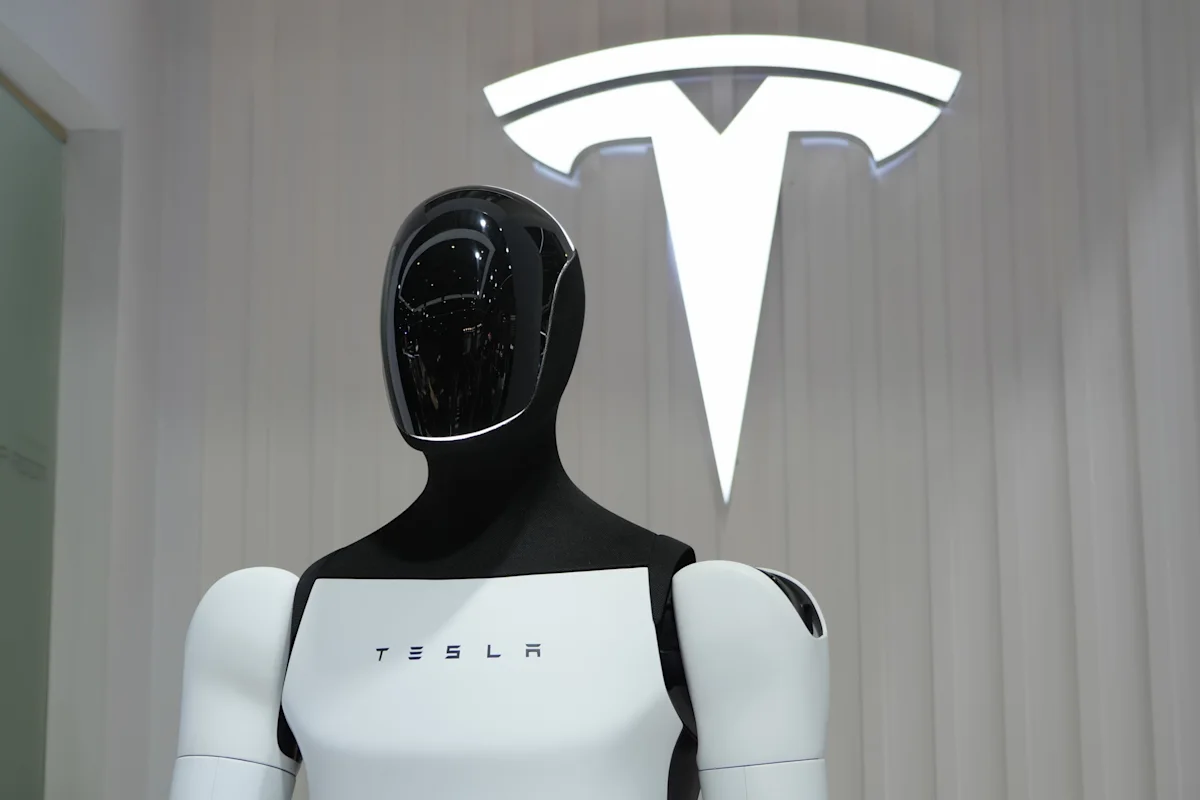
Despite the robust top-line performance, the company faces a significant deterioration in liquidity metrics. Free cash flow is projected to drop to negative $3.254 billion, a stark reversal from the nearly $5.6 billion generated in the prior year. This decline is attributed to a surge in capital expenditures to $6.7 billion, driven by investments in Optimus humanoid robot production, AI data centre infrastructure, and the production ramp-up for the Cybercab.
The heavy spending has intensified the debate among investors regarding Tesla’s valuation. Morgan Stanley analyst Andrew Percoco noted in a recent note that while strong auto and energy deliveries set up a solid quarter, the key question remains whether Robotaxi and Optimus progress quickly enough to justify the accelerating AI investment cycle. Tesla’s stock is down approximately 16% year-to-date, and investors should exercise caution given that the company has missed adjusted earnings per share estimates in five of the last eight quarters, according to Bloomberg data.