Tesla Discloses Remote Operator Errors in Robotaxi Crashes
New details from a US Department of Transportation database show Tesla remote workers directly steering autonomous vehicles into obstacles, raising questions about operational safety and latency.
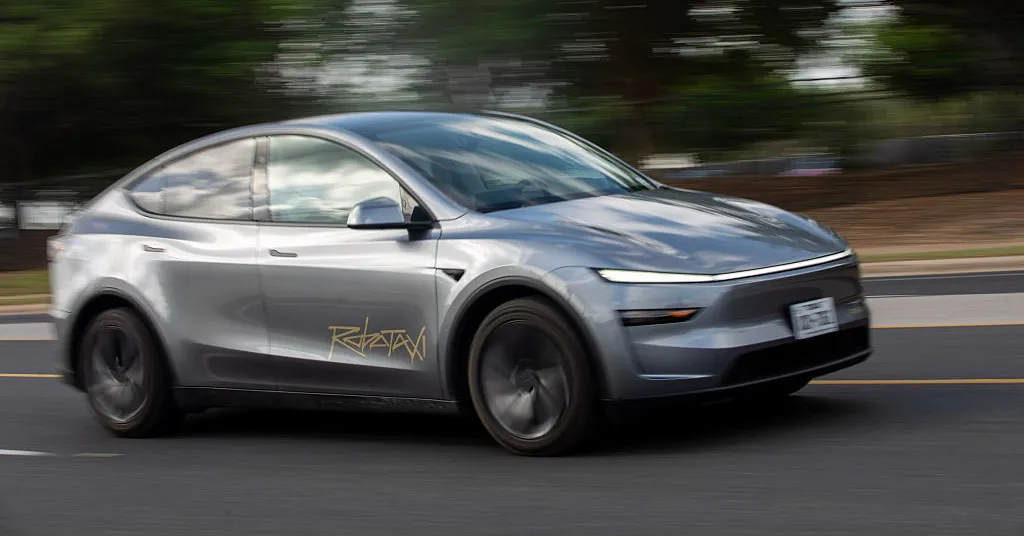
Tesla has released details of 17 robotaxi incidents into a federal database, covering a period from July 2025 to March 2026. The disclosures reveal that in at least two crashes in Austin, human remote operators directly drove the autonomous vehicles into obstacles. This admission highlights a significant operational divergence from competitors such as Waymo, which typically restricts remote intervention to providing software input rather than direct vehicle control.
In July 2025, a safety monitor in the passenger seat requested assistance after the vehicle stopped on the side of a street. A remote worker then drove the car up a curb and into a metal fence at 8 mph. The monitor sustained minor injuries but was not hospitalised. Tesla reported that no passengers were in the vehicle at the time of the incident.
A second incident occurred in January 2026, when a safety monitor requested navigation help from the remote team. The remote driver took control and steered the vehicle into a temporary construction barricade at 9 mph. The collision scraped the car’s front left fender and tire, but Tesla reported no injuries. Both crashes occurred at speeds below 10 miles per hour.
Tesla’s approach contrasts with industry norms where remote workers usually guide the autonomous system rather than driving the car directly. Noah Goodall, an independent self-driving vehicle researcher, noted that such remote driving raises questions about the teleoperator’s visibility, latency, and ability to understand the car’s surroundings in real time. Safety advocates have previously cited inconsistent cellular connectivity as a risk factor for remote intervention.
The robotaxi service operates in Austin, Dallas, and Houston with fewer than 100 vehicles. Service availability has been inconsistent, with wait times in Houston and Dallas exceeding 35 minutes. Less than half of Tesla’s cars operate without a safety monitor in the passenger seat. The company, which does not have a public relations team, did not respond to requests for comment regarding the filings.
In another incident reported in September, a robotaxi made contact with a dog and pushed it into the path of an approaching van. Tesla stated that the dog was later seen running away from the street. The disclosures were made in compliance with requirements from the National Highway Traffic Traffic Safety Administration, though it remains unclear why these specific details were entered into the database at this time.
Tesla CEO Elon Musk has tied his compensation to vehicle deliveries and the number of robotaxis in commercial operation. The automaker’s focus has shifted toward autonomous vehicles and robotics rather than traditional electric car manufacturing. The federal database, maintained by the US Department of Transportation, requires operators to report certain types of crashes.