Tesla China deliveries surge 39 per cent as FSD launches amid valuation debate
The electric vehicle maker’s latest sales figures coincide with the rollout of its Full Self-Driving system in the world’s largest auto market, yet the stock’s premium valuation continues to divide investors.
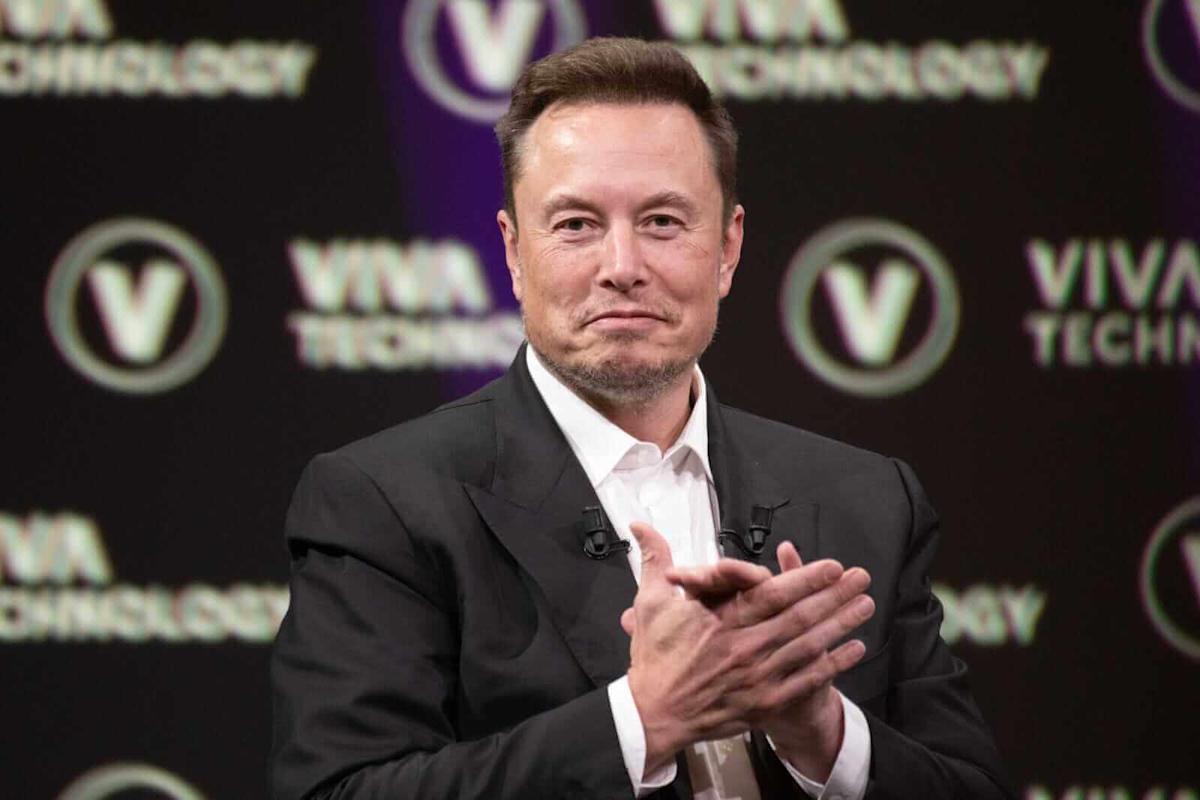
Tesla reported a 39.4 per cent year-on-year increase in new energy vehicle deliveries from its Shanghai plant in May 2026, reaching 85,982 units. The sales rebound coincides with the launch of its Full Self-Driving (FSD) Supervised system in China, following its prior availability in the United States, Canada, Mexico, and South Korea. The software rollout occurred during US President Donald Trump’s visit to Beijing for a summit with Chinese President Xi Jinping, which was attended by CEO Elon Musk alongside other technology leaders including Tim Cook and Jensen Huang.
The delivery figures highlight Tesla’s position within a competitive Chinese market where overall passenger electric vehicle sales rose 12 per cent to 1.36 million units in May. While Tesla’s growth was significant, rivals showed mixed results; BYD reported 376,990 deliveries, effectively flat from the previous year, while Leapmotor and Geely’s Zeekr brand both jumped more than 80 per cent. Other manufacturers such as Nio saw a 62.3 per cent rise, whereas Li Auto and XPeng experienced declines of 18.4 per cent and 4.1 per cent respectively.
Despite the operational momentum, Tesla shares traded at approximately $420, implying a forward earnings multiple of 169 times. This valuation has sparked debate among analysts, with the average price target standing at $401.77, sitting below the current market price. Of the 42 analysts covering the stock, 15 recommend a strong buy, two recommend a moderate buy, 19 advise holding, and six recommend a strong sell.
Tesla’s strategic focus appears to be shifting toward software and autonomy, with Morgan Stanley estimating that the market for partly to fully automated vehicles could reach $200 billion by 2030 and $400 billion by 2035. On the first-quarter 2026 earnings call, Musk indicated that unsupervised FSD could operate in roughly a dozen states by the end of the year, with robotaxi revenue expected to become material in 2027. The company also noted that paid robotaxi miles nearly doubled in the quarter.
However, regulatory and financial headwinds remain. A group of 10 Chinese owners is currently suing Tesla, alleging the company claimed FSD was available before securing full regulatory approval. Financially, the company guides to capital spending above $25 billion in 2026, which could push free cash flow into negative territory later this year, despite first-quarter revenue rising 16 per cent to $22.39 billion and the company ending the period with $44.74 billion in cash.