Tesla Autopilot fatality in Texas reignites scrutiny of autonomous vehicle deregulation
The crash involving driver Michael Butler has intensified debate over Tesla’s marketing of automated features and the Trump administration’s efforts to remove traditional vehicle controls from regulatory requirements.
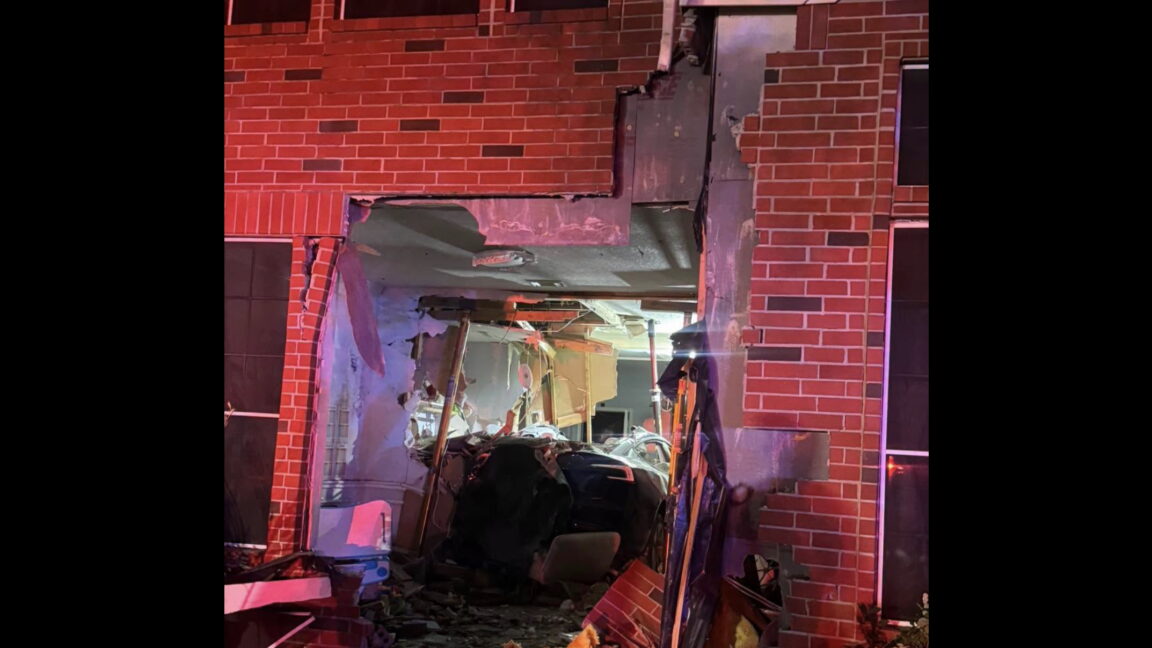
Martha Avila, 76, died on Friday after a Tesla Model 3 driven by Michael Butler crashed into her residence in Harris County, Texas, while the vehicle’s automated driving assistance system was engaged. The Harris County Sheriff’s Office confirmed that Butler was not intoxicated and is cooperating with investigators, including helping officials understand how the Autopilot feature operates. Police stated the vehicle left the roadway at a high rate of speed, failed to maintain a single lane, and struck the home at 1907 Blooming Park Lane.
Doorbell camera footage captured the moment the Tesla ploughed through the brick home’s front, while photos shared by the Office of Constable Terry Allbritton showed the extent of the structural damage. Avila was standing in the front room where she lived with her daughter, Jennifer Barbour, and three grandchildren. Barbour confirmed that no other occupants were injured, describing her mother as being in good health and on no medications prior to the fatal incident.
The tragedy has drawn sharp attention to Tesla’s marketing of its automated features, particularly recent posts on X showing drivers with their hands off the wheel. One clip depicted a driver sipping coffee, and the day after the crash, the Tesla account reposted a fan claiming the technology is “lifesaving.” Critics argue these messages contradict the owner’s manual, which requires drivers to keep their hands on the wheel and remain ready to take over.
Simultaneously, the National Highway Traffic Safety Administration (NHTSA) is advancing proposals to relax safety rules for autonomous vehicles. Administrator Jonathan Morrison stated that 2026 is a “big” year for rulemaking, with the agency moving to remove requirements for shift position displays and windshield wiper controls in vehicles relying on automated driving systems. Morrison expressed support for deploying purpose-built autonomous vehicles without traditional controls, describing the technology as a critical engineering challenge that society cannot afford to discourage.
Advocates for Highway and Auto Safety have urged NHTSA to reject these changes, citing a lack of research proving improved road safety. The group warned that removing traditional controls could prevent passengers from determining if a vehicle is in gear or observing surroundings during a crash. Advocates also challenged the industry’s reliance on a 2019 NHTSA study regarding human error, noting it was not intended to assign fault to drivers or vehicles.
This incident follows a 2023 recall of over 2 million Tesla vehicles after regulators found the company did not require drivers to remain attentive. A new NHTSA probe into Tesla’s Full Self-Driving system was launched last October following reports of system failures. The crash underscores the ongoing tension between the electric vehicle manufacturer and federal regulators regarding the deployment of autonomous features.
