Tensions flare in Strait of Hormuz as US and Iran exchange fire
CENTCOM's latest statement on the escalation omits any reference to the agreement, which has already been strained by repeated allegations of term breaches
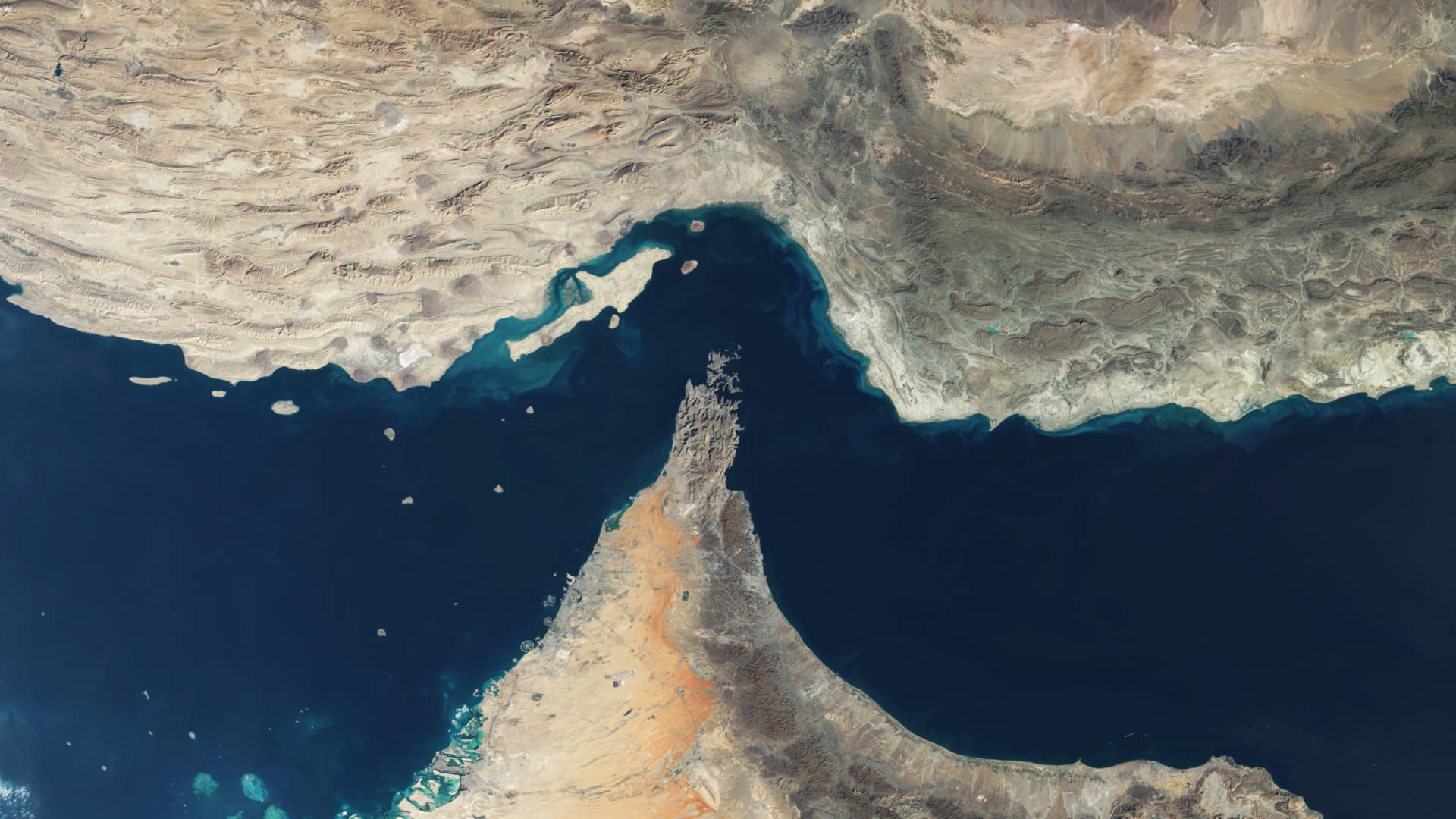
The United States and Iran have engaged in a direct exchange of fire within the strategically critical Strait of Hormuz, marking a significant escalation in regional hostilities. Both nations have immediately asserted that the opposing side initiated the shooting, creating a diplomatic impasse with conflicting narratives regarding the origin of the conflict.
A statement released by CENTCOM confirmed the incident but notably refrained from addressing the current status of the existing U.S.-Iran ceasefire. This omission comes at a time when the agreement has already been described as frayed due to repeated allegations that its terms are being breached by both parties.
The administration maintains a stance that the broader regional conflict is effectively concluded, despite the absence of a visible diplomatic solution and the current military escalation. This official position contrasts sharply with the on-the-ground reality, suggesting a potential disconnect between high-level rhetoric and the immediate operational situation.
Background discussions between President Trump and Iranian leadership reportedly included agreements that Tehran must never possess a nuclear weapon, adding a layer of geopolitical tension to the current commercial disputes. Concurrently, the U.S. administration has issued ultimatums regarding trade deal compliance with the EU, further complicating the international landscape.
Until independent confirmation is available, the specific timing and nature of the initial shots remain unverified. The mutual exclusivity of the claims made by Washington and Tehran means that neither side's assertion of firing first can be treated as fact without further investigation.
The situation remains fluid as markets and institutions monitor the implications of this escalation. The lack of clarity regarding the ceasefire's viability, combined with ongoing commercial frictions, underscores the complex and volatile nature of the current geopolitical environment.