Tenebris Somnia to launch on 16 October with hybrid retro and live-action horror
Directed by visual effects expert Andrés Borghi and executive produced by Airdorf, the game blends 2D gameplay with live-action sequences across PC and major consoles.
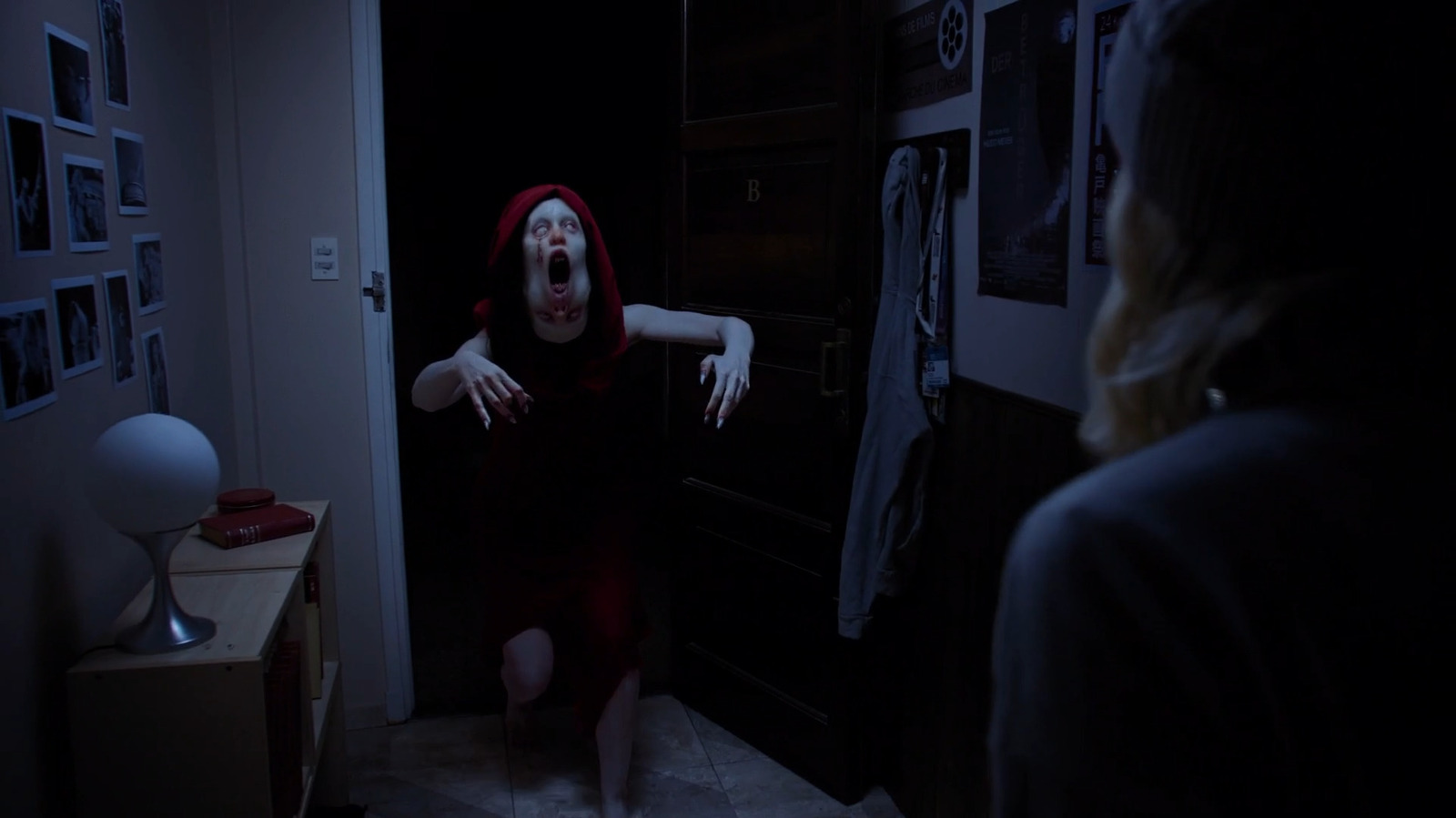
Tenebris Somnia, a retro survival-horror game developed by Saibot Studios, is confirmed for release on 16 October. The title will launch on PC via Steam and GOG, as well as on PlayStation 4, PlayStation 5, Nintendo Switch, Nintendo Switch 2, and Xbox Series X/S. The announcement was made during the Day of the Devs summer showcase, positioning the game for the upcoming Halloween season.
The project features a distinct dual-art style, combining '90s-inspired 2D pixel art for gameplay with live-action horror cutscenes. Players assume the role of Julia, an Argentine woman trapped in a nightmare, navigating puzzles and combat inspired by classics such as Resident Evil and Silent Hill. The live-action elements are directed by visual effects expert Andrés Borghi, known for his work on the horror film When Evil Lurks and the 2021 fighting game The Black Heart.
The collaboration between Borghi and executive producer Airdorf (Mason Smith) was facilitated by New Blood Interactive co-founder Dave Oshry. Oshry connected the creators after Borghi directed the short film Alexia, which inspired Airdorf to join the project. Airdorf, creator of the acclaimed Faith: The Unholy Trinity series, expressed excitement at working with Borghi, noting the mutual admiration between the two creators.
Published by New Blood Interactive, Tenebris Somnia aims for a viscerally haunting aesthetic rather than a campy one, utilising Borghi’s award-winning cinematic special effects team. Trailers and a Steam demo released prior to launch highlight the contrast between the vibrant pixel art and the live-action horror footage, showcasing the game’s unique visual approach.
The wide platform availability ensures accessibility across current and previous-generation hardware. With its release date set for mid-October, the game joins a growing market of retro-inspired horror titles, leveraging its hybrid presentation to distinguish itself in the genre.
