Ten NFL Teams Navigate Unresolved Roster Decisions Amid 2026 Offseason
Linxi News analysis of the 2026 NFL offseason reveals a league where financial constraints, long-term planning, and specific roster philosophies have led to significant deviations from anticipated player movements.
The 2026 NFL offseason has concluded with ten teams addressing lingering roster questions that diverged sharply from market expectations. Rather than engaging in the anticipated flurry of high-profile trades or extensions, these franchises have adopted distinct strategies rooted in their specific organisational timelines and fiscal realities. The collective decision-making process highlights a league where the pursuit of immediate stability often outweighs the pressure to secure top-tier talent through external means.
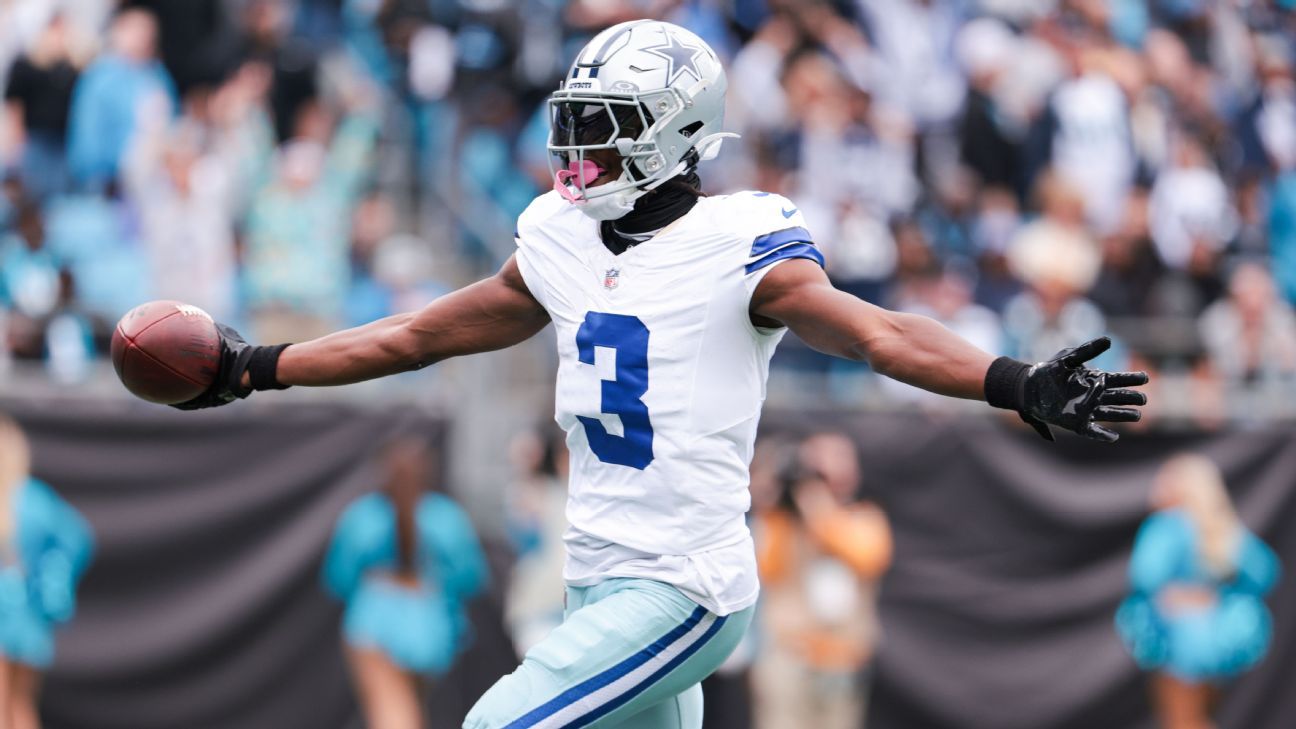
In Dallas, the Cowboys opted to apply the franchise tag to wide receiver George Pickens rather than offering a long-term extension. While the team secured the player with a fully guaranteed $27.298 million contract for 2026, they explicitly stated they would not negotiate a multi-year deal during this window. This approach allows the organisation to assess the receiver's continued development and on-field performance before committing significant long-term salary cap resources, particularly while managing the existing contracts of high-paid wide receiver CeeDee Lamb.
Similarly, the Pittsburgh Steelers chose to retain quarterback Aaron Rodgers instead of pursuing an upgrade at the position. Despite Rodgers' age and the team's historical desire to evolve, the organisation has relied on his experience to maintain their competitive status. The Steelers, known for their consistent contention over the last two decades, appear content to wait on a veteran solution rather than stretching for a younger alternative, even as they navigate the transition following Mike Tomlin's departure.
Financial constraints have dictated the path for the Cleveland Browns, who kept quarterback Deshaun Watson for the remainder of his fully guaranteed five-year contract. With the team holding out the possibility that Watson could start games this season, the decision was driven by the necessity of absorbing the existing financial obligation. The franchise is now looking toward the 2027 draft to find a long-term answer, viewing the current arrangement as a necessary step to see out the current chapter of their history.
The Miami Dolphins have also resisted external pressure, retaining running back De'Von Achane despite trade interest from other clubs. New management in Miami views Achane, along with other key players, as foundational assets for future extensions rather than trade targets. Although the team has not yet extended Achane, their focus remains on building around existing talent rather than white-flagging the roster to accumulate draft capital.
Draft strategy has similarly influenced decisions in New York and Minnesota. The Giants prioritised selecting offensive tackle Francis Mauigoa over a defensive star to support their young quarterback, Jaxson Dart. This move underscores a broader trend where teams are willing to sacrifice immediate defensive impact to fortify the protection of their developing signal-callers. Meanwhile, the Minnesota Vikings hesitated to trade quarterback Sam Darnold for Kyler Murray, citing the significant draft capital already invested in Darnold and the uncertainty surrounding Murray's long-term fit.
The Houston Texans and Seattle Seahawks have also adopted wait-and-see approaches regarding their quarterbacks. Houston declined to extend C.J. Stroud immediately, preferring to observe his performance in 2026 before committing long-term money. Seattle, conversely, maintained its roster structure by not extending Darnold, adhering to a philosophy that avoids paying top-of-market quarterback salaries to players who do not match that tier of performance.
Finally, the Los Angeles Rams addressed their future by drafting quarterback Ty Simpson, a decision made with the understanding that they would eventually need to release Matthew Stafford. This proactive move suggests a shift in the franchise's long-term planning, aiming to secure a post-Stafford future without disrupting the current championship-caliber roster. These ten instances collectively illustrate a league where governance, financial prudence, and strategic patience are driving roster construction.