TechCrunch Review: Dreamie Alarm Clock Eliminates Bedtime Smartphone Use
A recent assessment by a TechCrunch journalist highlights the Dreamie’s ability to break the cycle of late-night scrolling, while also noting a cheaper software-blocking competitor.
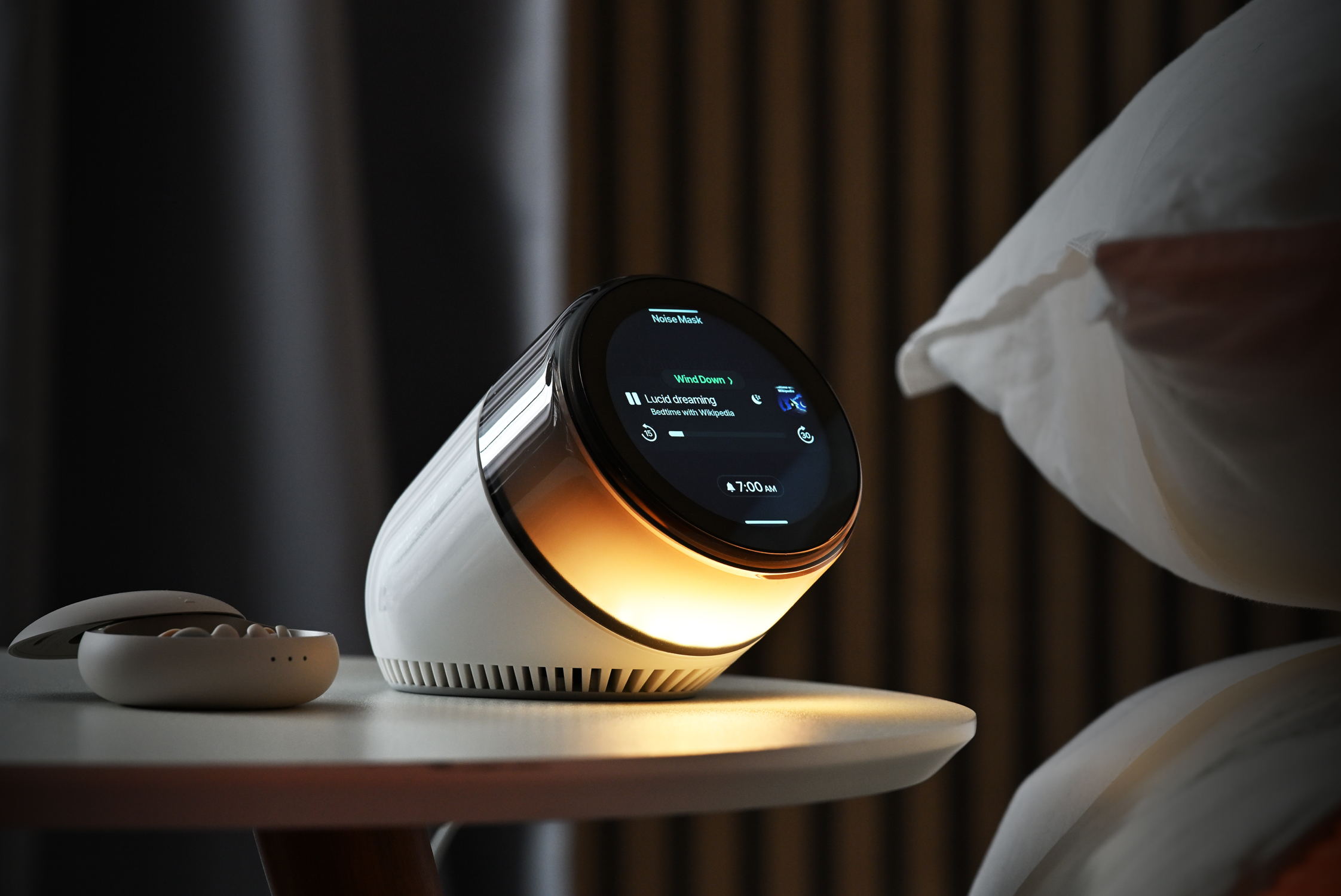
A TechCrunch reviewer has reported that the Dreamie alarm clock successfully eliminated their use of smartphones in bed, addressing a common sleep hygiene issue. The device, priced at $250, is designed to replace the habit of checking phones at night by offering dedicated audio features, including podcast playback and ambient sound masking. The reviewer, a millennial with a history of sleep difficulties, noted that the clock allowed them to avoid the distraction of notifications and scrolling that typically disrupts rest.
The Dreamie operates via Wi-Fi and utilises RSS feeds to access podcast content, a method that allows for custom playback without requiring a companion app or subscription. This approach contrasts with walled-garden platforms like Spotify, which the reviewer noted have sought to limit open internet standards. The device features several modes, including a "wind down" setting with fireplace sounds and lighting, a "noise mask" for thunderstorm audio, and a "back to sleep" function that plays pre-selected media to help users return to rest without interacting with a screen.
The reviewer highlighted the "back to sleep" mode as the device’s most effective feature, allowing users to trigger pre-loaded audio such as breathing routines or specific podcast episodes without navigating complex interfaces. This functionality aims to prevent the cascade of bad decisions that often follows waking up in the night, such as reflexively opening phone notifications. The interface is described as straightforward, resembling the iPhone Clock app, and the device does not require a subscription fee.
While the Dreamie offers a comprehensive hardware solution, the reviewer also tested the Brick, a $59 device that blocks smartphone apps during designated hours. The Brick was noted as a more affordable option for achieving similar benefits, though the reviewer preferred the Dreamie for allowing them to keep their phone in a separate room entirely. The review suggests that while the Brick is cost-effective, the Dreamie provides a more distinct separation from the smartphone ecosystem.
Technical limitations currently prevent the Dreamie from supporting third-party audiobook applications such as Libby or Libro.fm, and future support for custom media uploads remains speculative. The reviewer acknowledged that they occasionally "cheated" by using their phone for specific audiobook content that was not available as a podcast. The assessment is based on a single review period, and the long-term sustainability of habit changes achieved through the device is not quantified.
A survey of 2,000 American adults cited in the report found that 87% of respondents sleep with their phones in the bedroom, underscoring the prevalence of the issue the Dreamie aims to solve. The reviewer concluded that while the $250 price point is steep for an alarm clock, the device successfully helped them break a decade-long habit of keeping their phone at the bedside, resulting in faster morning routines and improved sleep quality.