TechCrunch Disrupt 2026 structures six stages to address tougher startup market realities
From financial infrastructure to physical systems, the October event at Moscone West reflects a shift from hype to operational execution in a volatile market.
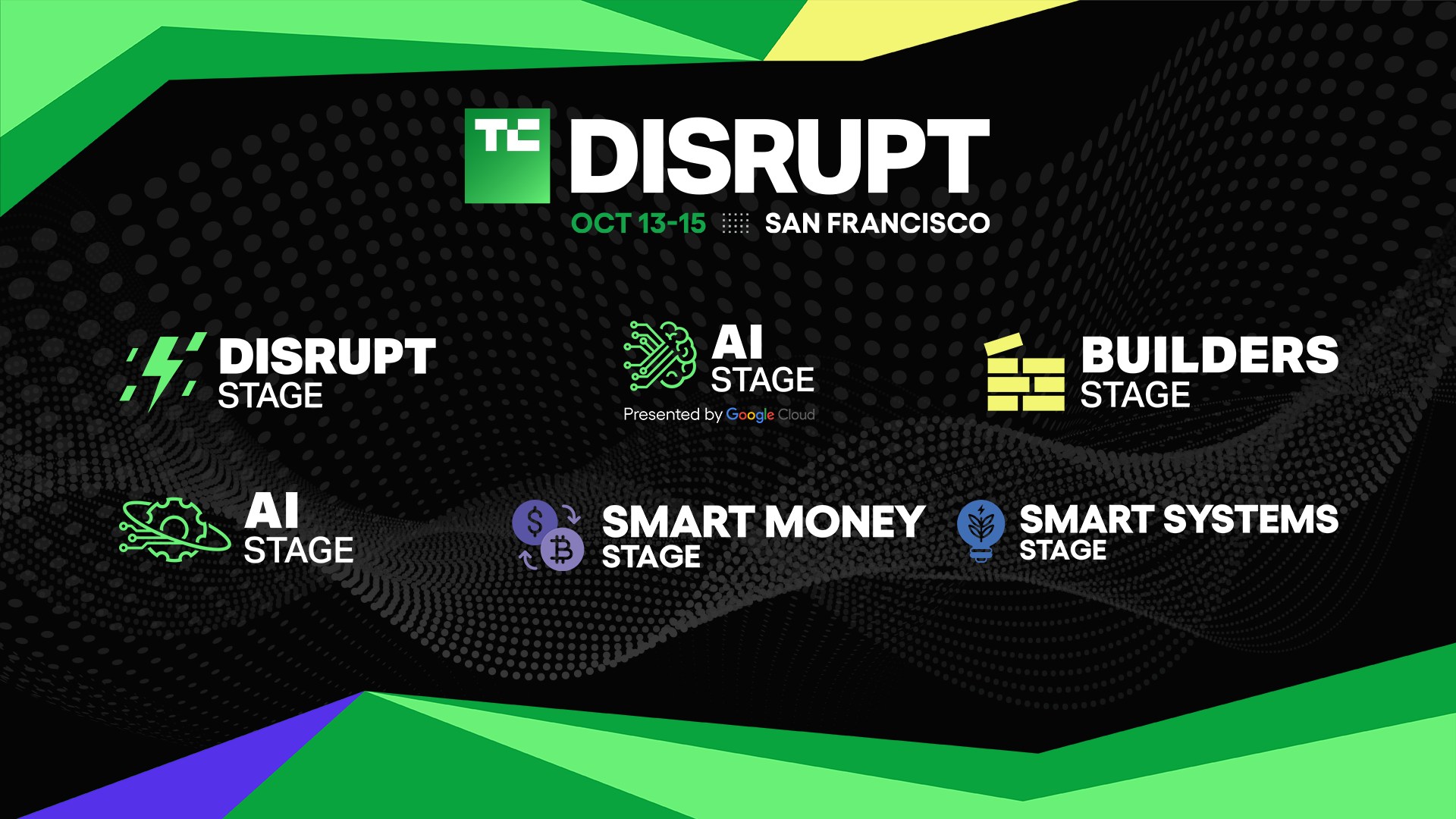
TechCrunch Disrupt 2026 is set to take place from October 13 to 15 at Moscone West in San Francisco, bringing together more than 10,000 founders, investors, and operators. The event will feature over 200 sessions across six dedicated stages, with more than 250 tech leaders speaking on the operational pressures reshaping the industry. According to the event’s structured understanding, the new format is designed to help market participants make faster decisions in a landscape characterised by AI-native competition and infrastructure bottlenecks.
The Disrupt Stage remains the focal point for headline founders and major technology leaders, hosting the Startup Battlefield 200 competition. Nominations for this competition close on May 29, offering attendees visibility into startups with breakout potential. This stage aims to highlight where attention is concentrating and how successful companies are positioning themselves in a market that has become significantly more demanding for both capital and talent.
Operational execution takes centre stage at the Builders Stage, which focuses on fundraising, hiring, and product-market fit. Speakers include Nina Achadjian from Index Ventures, Rajeev Dham from Sapphire Ventures, Josh Reeves of Gusto, Grant Lee of Gamma, Robby Stein from Google, and Mo Jomaa from CapitalG. Sessions such as “How to Win When You’re Not Building AI” address the challenge for non-AI startups competing for attention and capital while investors prioritise AI-first companies.
Financial infrastructure and physical constraints receive dedicated attention through the Smart Money and Smart Systems stages. The Smart Money Stage, featuring Jack Zhang of Airwallex and Lotti Siniscalco of Emergence Capital, examines the evolution of digital financial systems, real-time payments, and embedded finance beyond the hype cycle. Meanwhile, the Smart Systems Stage, with speakers Jeff Lawson of Inertia and David Kirtley of Helion, addresses the physical infrastructure constraints of energy, climate, and industrial systems that modern software companies increasingly depend on.
The event also splits artificial intelligence coverage into two distinct tracks. The AI in the Real World Stage focuses on the operational deployment of AI in robotics, autonomous systems, manufacturing, and drug discovery, emphasising reliability and scalability. The AI Stage, presented by Google Cloud, explores how generative AI and AI agents are reshaping software companies and eroding traditional SaaS advantages. Early bird registration offers savings of up to $410, with an additional 50 per cent discount available for a second ticket.
