TechCrunch critiques Zuckerberg’s AI manifesto amid public distrust
A detailed review of Mark Zuckerberg’s 6,500-word essay on personal superintelligence highlights concerns over education, legal applications, and compute pricing models.
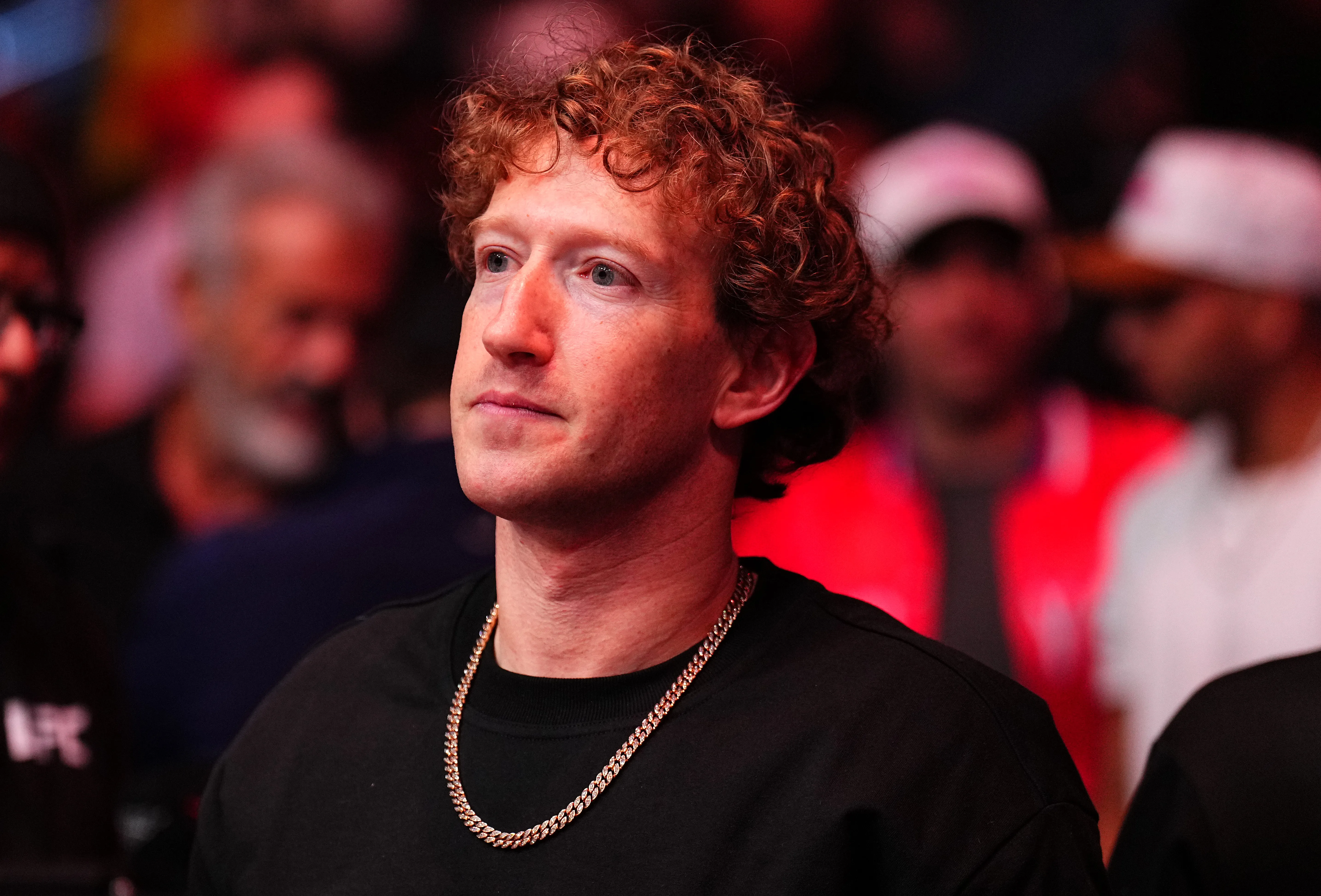
On 10 August 2026, TechCrunch published an article titled "Mark Zuckerberg’s AI manifesto is exactly why people don’t like AI", critiquing a 6,500-word essay by Meta CEO Mark Zuckerberg regarding "personal superintelligence". The piece argues that Zuckerberg’s optimistic vision disregards prevailing public distrust in tech executives, citing a recent $567 million court fine against Meta for harm to children and survey data indicating that 64 percent of Americans believe social media has been harmful to democracy.
The critique challenges specific proposals in Zuckerberg’s manifesto, including the use of AI in education and law, and his proposed dynamic pricing model for compute, which the author describes as a poor user experience. The article notes that while a version of the essay ran in the Wall Street Journal a few months prior, this latest iteration provides the most detailed account of Meta’s ambitions, yet fails to address the anxiety surrounding the technology’s social impact.
Regarding education, the author contends that current AI tools are primarily used to avoid learning, such as completing homework, rather than enhancing it, due to a lack of robust watermarking. In the legal sector, the article suggests that universal access to superintelligent legal AI could increase bureaucratic complexity or unleash vexatious litigants, contrasting sharply with Zuckerberg’s assertion that it would ensure fairer justice.
The article also criticises Zuckerberg’s proposal for a "dynamic auction mechanism" for compute access, describing surge pricing as a poor user experience for essential tools. While dynamic markets for spot compute already exist, the author notes that consumer products typically insulate users from these prices, raising questions about whether Zuckerberg intends to implement such a model for Meta’s services.
Finally, the piece contrasts Zuckerberg’s communication style with that of Sam Altman and Dario Amodei, noting that the latter acknowledge dangers and emphasise precautions to build trust. The author argues that without such trust-building, the industry may struggle to survive future failures, suggesting that Zuckerberg’s refusal to acknowledge these risks exacerbates public unease.
