TechCrunch analysts question Meta’s AI vision amid public scepticism
A recent discussion on TechCrunch’s Equity podcast highlighted the gap between Meta’s strategic push for personal AI and the industry’s lingering scepticism regarding the company’s track record.
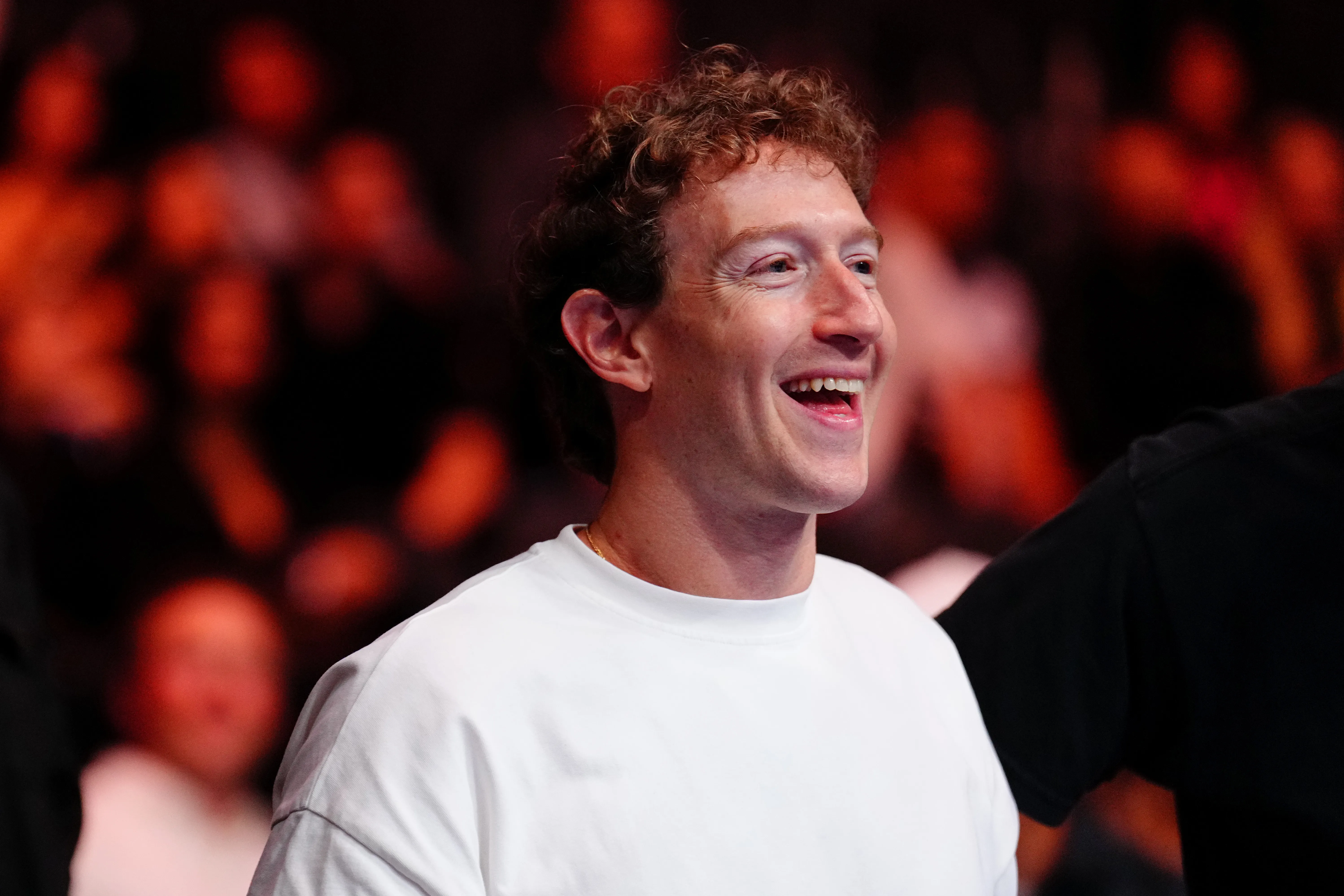
TechCrunch analysts have raised significant doubts regarding Meta CEO Mark Zuckerberg’s recent 6,500-word essay, “The Future is for Everyone,” which outlines an optimistic vision for AI-powered personal agents. During a discussion on the Equity podcast, hosts Kirsten Korosec, Rebecca Bellan, and Anthony Ha argued that the public remains deeply sceptical of the proposal, citing Meta’s historical struggles with social media engagement and advertising models rather than genuine user connection.
The analysts noted that Meta is attempting to reposition itself within the personal artificial intelligence space through models such as Glimmer and Muse Spark. However, they argued that the company faces substantial distrust from both consumers and industry peers, who view the manifesto as unrealistic and disconnected from the current technological landscape. Korosec described the tone of the essay as “Pollyannish,” suggesting it casts AI as a universal benefit without acknowledging the extreme costs or complexities involved.
Bellan observed that Zuckerberg appears to be positioning himself as an “anti-Dario,” referencing Anthropic CEO Dario Amodei, by rejecting calls to slow AI development in favour of personal empowerment. Despite this stance, Ha pointed out that Meta is not currently regarded as a leader in frontier closed-model spaces or popular consumer AI chatbots. The essay is seen as an effort to claim territory in personal AI where the company has had limited success, rather than a reflection of existing market dominance.
A key point of contention raised by the analysts was the accessibility of the proposed technology. Bellan noted that while the Glimmer model is designed for personal devices, it currently requires specific hardware and cannot be easily downloaded to standard laptops such as a MacBook. This limitation undermines the essay’s promise of ubiquitous, always-on personal assistance that operates with or without an internet connection.
Russell Brandom, TechCrunch’s AI editor, contributed to the critique by writing that the manifesto exemplifies why many people dislike AI. He drew parallels to Zuckerberg’s past promises of fostering connection, which he argued resulted in rage-baiting and advertisements instead. The consensus among the analysts was that the messenger and the abstract nature of the promises have created a negative reaction, with many questioning the practical value of the proposed AI future.