Tech giants surge AI spending by 71 per cent as Arctic research and robotics data initiatives expand
Google, Microsoft, Amazon and Meta have collectively increased their AI spending by 71 per cent compared to the same quarter last year, driving data-storage stocks higher despite broader market concerns.
Major technology firms including Google, Microsoft, Amazon and Meta have collectively raised their artificial intelligence expenditure by 71 per cent compared to the previous year, establishing new industry records. This significant surge in investment has bolstered data-storage stocks, even as broader market concerns regarding OpenAI's performance weigh on the Nasdaq.
Investors are increasingly distinguishing between the operational performance of specific AI firms and the underlying hardware requirements needed to support the technology. While the sector has seen gains driven by this confidence in hardware demand, the wider market remains sensitive to the operational metrics of key players like OpenAI, creating a divergence in market sentiment.
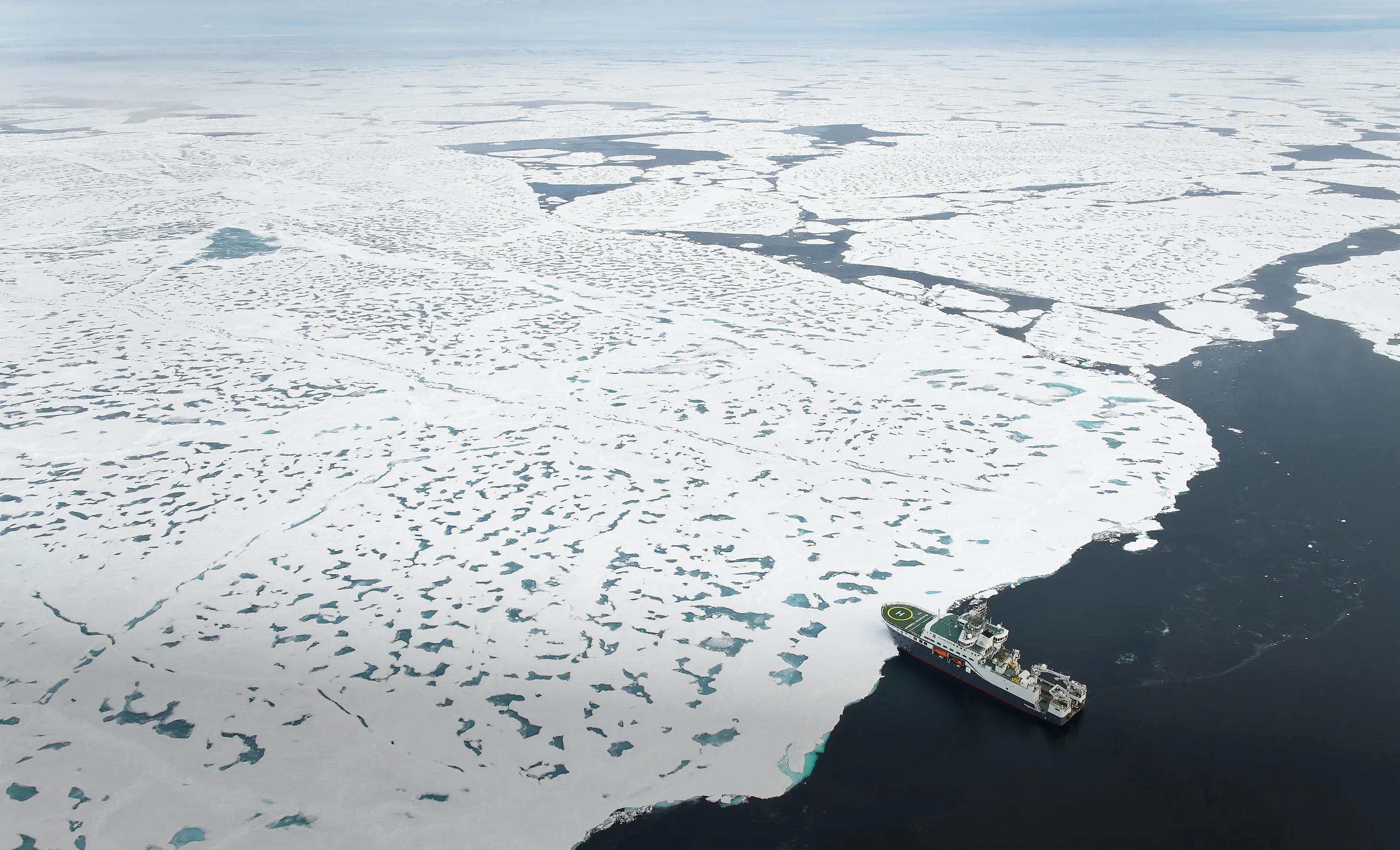
Simultaneously, scientific efforts are intensifying to study the Arctic Ocean's historical ice-free conditions. Researchers are currently investigating the past state of the northernmost waters after a research vessel recently encountered open water and thin ice where thick ice was previously expected. Scientists are now digging deep below the seabed to determine if the Arctic Ocean was ever ice-free and what that could mean for the future of the region.
Robotics manufacturers are also expanding their data collection initiatives to train humanoid systems. Companies are actively recruiting users to collect human movement data, with examples including individuals filming themselves performing daily tasks or remotely controlling robotic arms to improve dexterity. As the race for real-world data heats up, everyday human movements are being turned into essential training data for these advanced systems.
The source of these developments, MIT Technology Review, highlights the rapid pace of change across these sectors. From the shifting ice in the Arctic to the data being gathered for humanoid robots, the landscape of technology and science continues to evolve with unprecedented speed.
While the 71 per cent increase in spending sets a new benchmark for the industry, the long-term profitability of this investment remains unproven and may be influenced by short-term market hype. The specific implications of the Arctic's historical conditions and the extent to which the spending translates into sustained growth are subjects of ongoing discovery and analysis.
