Tech Giants Microsoft and Meta Slash Workforce as AI Spending Mounts
Microsoft offers early retirement to up to 7% of US staff while Meta cuts 10% of its global workforce and halts 6,000 planned hires, triggering immediate market volatility.
Two of the world's largest technology companies, Microsoft and Meta Platforms, have simultaneously announced significant workforce reductions, citing the need for operational efficiency and heavy capital expenditure on artificial intelligence. Microsoft has introduced early retirement packages for up to 7% of its United States staff, marking the first time the company has offered voluntary buyouts of this scale. On the same day, Meta Platforms confirmed it would lay off approximately 8,000 employees, representing 10% of its workforce, while also cancelling plans to hire for 6,000 new positions.
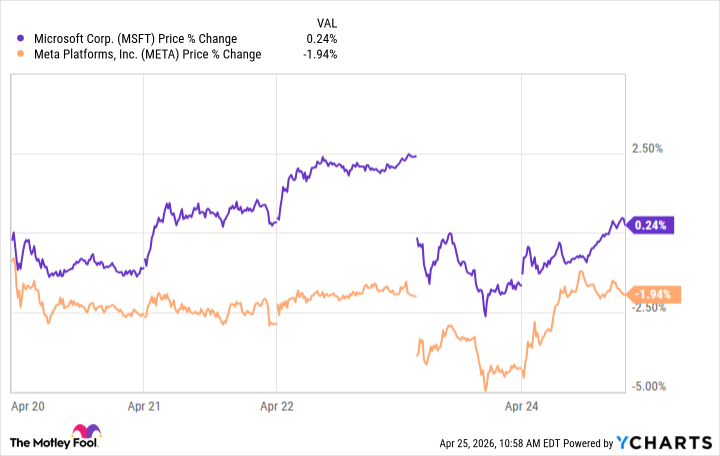
The announcements triggered an immediate negative reaction in the capital markets. Shares of Meta Platforms fell roughly 2.3% on the day of the news, while Microsoft shares dropped by about 4%. Although both stocks experienced partial recoveries the following day, they remained trading below their previous levels, leaving investors to assess the long-term implications of these structural changes.
Both companies attribute the moves to a strategy of running operations more efficiently to offset substantial investments in AI data centres and capital expenditure. Meta expects to spend between $115 billion and $135 billion in 2026 on these expenditures, including funding for its Meta Superintelligence Labs. However, a prevailing concern among market participants is whether these cuts reflect genuine AI-driven productivity gains or constitute "AI washing," where companies use artificial intelligence as a justification for job reductions to mask overinvestment in expensive, unproven technology.
Microsoft CEO Satya Nadella has previously stated that AI handles up to 30% of the company's coding work, while Microsoft AI executive Mustafa Suleyman predicted that AI could replace most white-collar work within 12 to 18 months. Conversely, Meta CEO Mark Zuckerberg has faced scrutiny following the abandonment of the metaverse strategy, which cost the company approximately $80 billion before projects were largely scaled back by March 2026. The current layoffs are viewed by some as a direct response to the heavy spending required to sustain these ambitious AI initiatives.
The stock market has remained cautious regarding the trajectory of these tech giants. Microsoft shares have underperformed, dropping 12% year-to-date and more than 20% over the past six months. Similarly, Meta shares have declined 10% over the same period and have underperformed the S&P 500 index for the past year. Investors are now watching closely to see if the companies can demonstrate that their AI investments are driving better bottom-line results rather than merely weighing heavily on cash flow.
In a separate development, The Motley Fool's Stock Advisor team recently identified Microsoft as not being among its top 10 recommended stocks for investors, a decision that contrasts with the firm's historical recommendations for other major technology names. This external analysis adds to the scrutiny surrounding the sector, as the market digests the reality of the current economic headwinds facing these industry leaders.