Tech giants Google, Microsoft and xAI grant US government early access to frontier AI models
Three major technology firms have signed agreements to provide the US federal government with early access to their AI systems for national security assessment.
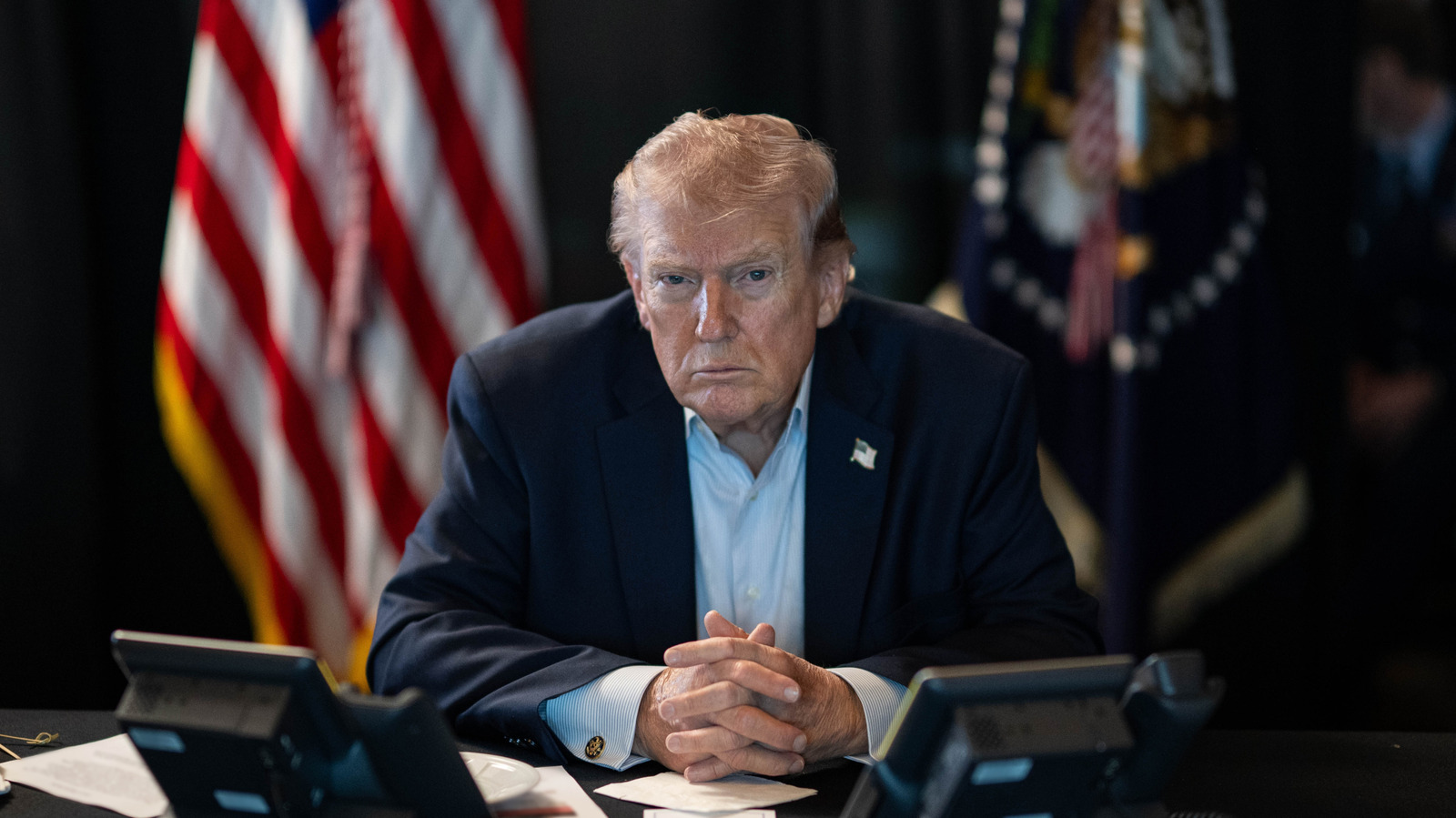
Google, Microsoft and xAI have formally agreed to provide the US federal government with early access to their AI systems. This development follows reports that the Trump administration was considering tightening oversight of the AI industry and establishing a working group to review models before public release. The agreements represent a strategic move by the companies to align with federal requirements rather than face potential regulatory hurdles or ideological tests imposed by the administration.
The Commerce Department's Center for AI Standards and Innovation (CAISI) will conduct the evaluation of these new models. According to reports from The Wall Street Journal, the organisation will assess the systems with reduced or disabled safeguards to probe for specific national security capabilities and risks. CAISI director Chris Fall has stated that independent, rigorous measurement science is essential to understanding frontier AI and its national security implications.
This shift in approach appears to mark a reversal from the laissez-faire regulatory path outlined in the president's AI Action Plan, yet it reflects a broader effort to bend the industry to government will. The current agreements allow the Commerce Department to scale its work in the public interest at a critical moment, as described by Fall.
The move comes against a backdrop of historical tension between the US Department of Defense and AI firms. Previously, the Pentagon labelled Anthropic a supply chain risk after the company insisted on safeguards preventing its technology from being used for mass surveillance or autonomous weapons. Staff at DeepMind and OpenAI later supported Anthropic following scrutiny over military AI contracts and the removal of ethical pledges.
Furthermore, the administration has previously signed an executive order prohibiting federal agencies from procuring AI systems that manipulate responses in favour of ideological dogmas, such as Diversity, Equity and Inclusion. This created an ideological test that companies must pass, a hurdle Anthropic later failed. Consequently, most companies have chosen to sign deals with the federal government to avoid such scrutiny.
As of May 4, the White House was reportedly considering creating a working group to oversee the development of future AI models, with the committee having the power to review new models ahead of their public release. While the specific terms of the agreements, including the exact extent of disabled safeguards, are based on reporting from The Wall Street Journal and The New York Times rather than official public disclosures, the strategic alignment remains clear.
