Tech Giants’ AI Data Centres Fuel Surge in Inefficient Gas Power
A report by WIRED reveals that the rush to power artificial intelligence training is driving a shift toward less efficient, water-free turbines, creating a parallel fossil fuel infrastructure with significant environmental implications.
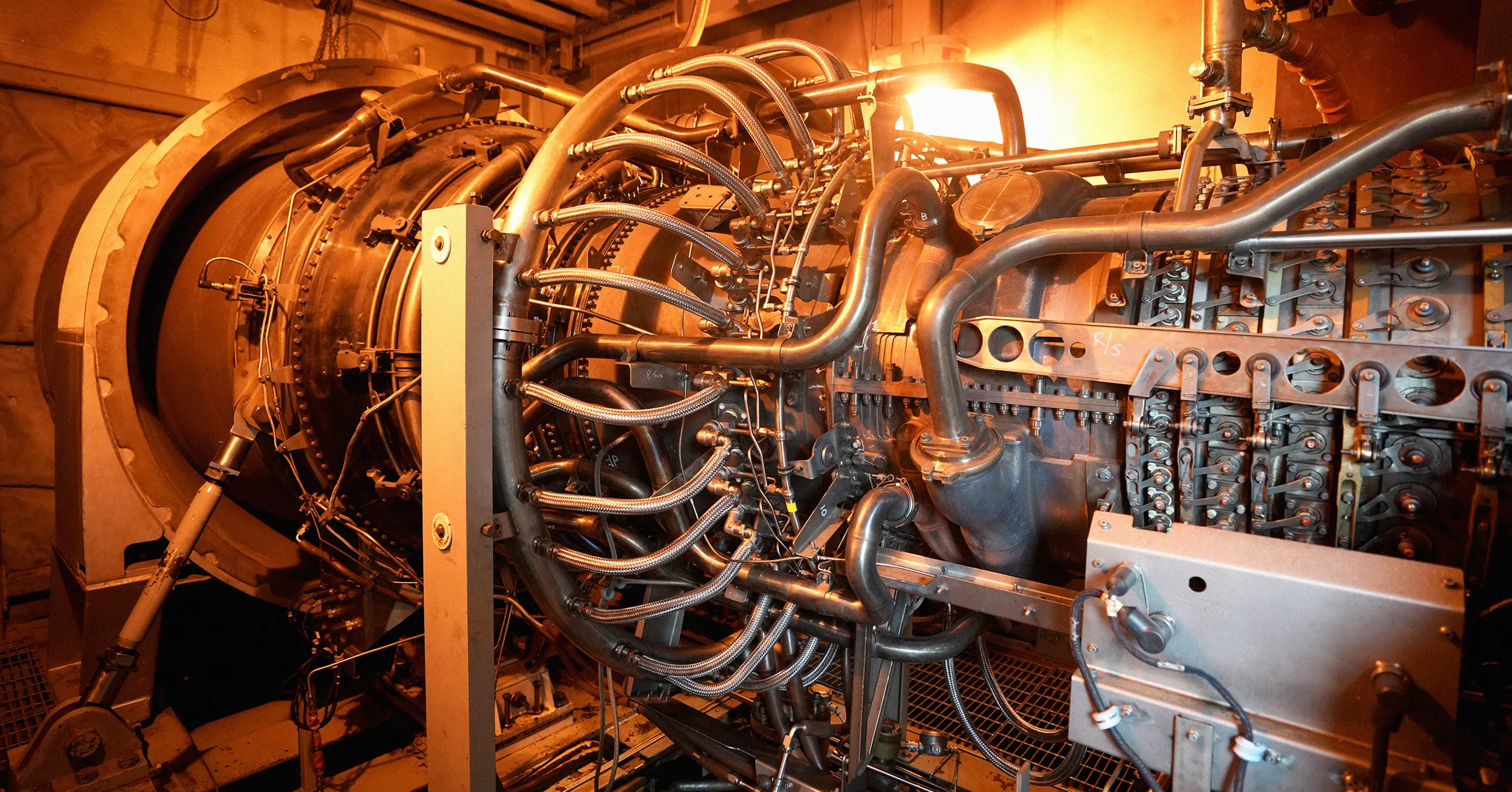
Major technology companies, including Amazon, Meta, Microsoft, Google, and xAI, are constructing data centres in the United States powered by simple-cycle gas turbines. According to a report by WIRED, these turbines are significantly less efficient than combined-cycle units, resulting in higher greenhouse gas emissions. The preference for simple-cycle technology is driven by the need for rapid installation, lower costs, and the ability to handle fluctuating energy demands associated with artificial intelligence training.
Amazon has acquired a massive off-grid power plant in Texas for one of its data centres, permitted to emit up to 33 million tons of greenhouse gases annually. The Texas plant will rely solely on simple cycle turbines, which mix fuel and air in a combustion chamber to create energy, letting off a significant amount of waste heat in the process. Combined cycle units, which are generally used at on-grid power plants, add an additional steam turbine component to capture the waste heat and turn it into more energy. That means they release fewer emissions for the same amount of energy.
At least three power plants being developed in Ohio by Williams for Meta will also rely on simple cycle units. Crusoe is building a power plant in Abilene, Texas, for a Microsoft data centre using 39 simple-cycle turbines. Google’s Goodnight data centre in Texas, developed by Crusoe, will use 20 simple-cycle turbines. xAI’s Colossus 1 and Colossus 2 data centres in Memphis are powered by dozens of simple cycle turbines. All of them are permitted to release millions of tons of greenhouse gases.
Simple cycle turbines do not require water, unlike combined-cycle plants which can use approximately 75,000 gallons per hour for a 250-megawatt plant. The permit application for the new Amazon plant specifically lists simple cycle technology’s lack of water use as an “environmental benefit.” This water independence is increasingly important for communities near data centres, where resource usage is a growing concern.
Amazon states the Texas plant is designed to transition to grid-connected service as interconnection timelines allow. Williams indicated it may consider interconnecting its Ohio plants in the future. However, the rapid construction of new islanded power plants with inefficient turbines threatens to create a parallel fossil fuel grid that generates millions of tons of greenhouse gas emissions. If the AI bubble bursts or tech companies’ energy needs dip, these massive, inefficient gas plants could become stranded assets.