Tech founders mock Albanese with AI imagery in protest over CGT reforms
Entrepreneurs depict Prime Minister Anthony Albanese as a 'new founder' to highlight concerns that replacing the 50% capital gains discount with cost-base indexation and a minimum 30% tax rate will reduce incentives for innovation and staff retention.
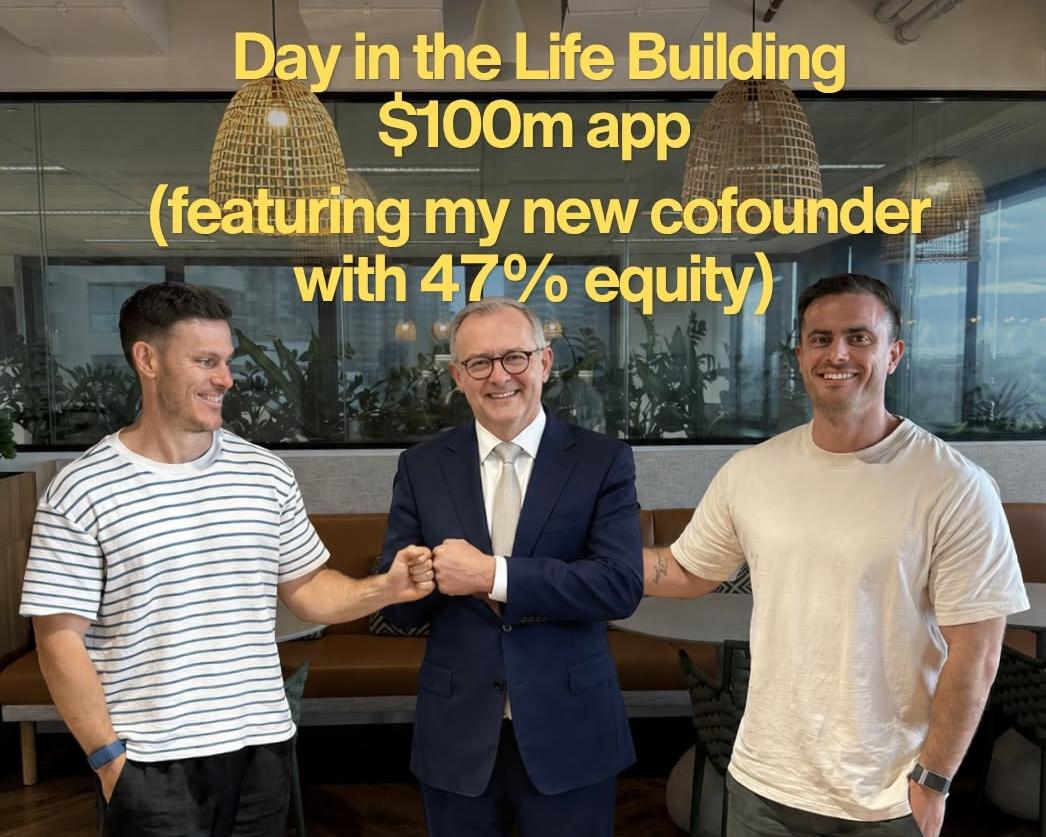
Tech entrepreneurs have launched a digital protest against the federal government’s proposed capital gains tax reforms, posting AI-generated images of Prime Minister Anthony Albanese as a 'new founder' to mock the policy direction. The backlash centres on plans to replace the 50% CGT discount with cost-base indexation and a minimum 30% tax rate, a move that founders argue will stifle innovation, complicate staff retention, and potentially drive startups overseas.
The imagery, which depicts the prime minister coding at Kinso, sleeping at LoanOptions.ai, and working out at Roll, serves as a satirical commentary on the perceived shift in government stance. Jacques Greeff, founder of the communications app Kinso, joked that Albanese was "having a great time with his new 47% equity," referencing the effective tax burden on successful exits. Greeff warned that reducing the incentive to grow a business while maintaining normal risks would make it harder to attract talented employees who rely on equity stakes as part of their compensation.
Julian Fayad, chief executive of LoanOptions.ai, echoed these concerns, stating that the government’s message to founders is that it seeks nearly half of their hard-earned rewards. Fayad highlighted the disparity between Australia’s approach and the genuine support structures offered by jurisdictions such as Singapore and the UAE, suggesting that the current policy environment makes founders feel abandoned and hindered in their global competitiveness.
Alfie Robertson, founder of the video editing app Roll, cautioned that the issue extends beyond tax rates to the fundamental incentives that shape where founders choose to build and invest. Robertson argued that if Australia wishes to compete globally for talent, it must reward those who take productive risks to create jobs and grow the economy, rather than reducing the motivation to do so.
In response to the outcry, Prime Minister Albanese pointed to existing budget incentives for research and development and instant asset write-offs as evidence of government support for the sector. Treasurer Jim Chalmers conceded that startups may have a different cost base compared to other industries and confirmed that consultations with the venture capital and startup sector were ongoing to ensure the reforms accurately reflect the economy’s needs.
The Tech Council of Australia chief executive, Kate Cornick, welcomed the new R&D tax incentives but urged continued consultation on CGT to prevent the startup community from becoming collateral damage. Shadow Treasurer Tim Wilson and Boost Juice cofounder Janine Allis also warned of potential "founder flight," emphasising that winding back discounts could discourage innovative businesses.
Economists offered diverging views on the necessity of carve-outs. Saul Eslake suggested there may be a case for more generous CGT treatment for new businesses starting from scratch, noting they may pay tax on all profits due to having no cost base to index. Conversely, Chris Richardson argued against bending on CGT, suggesting that R&D tax offsets and instant asset write-offs are better supports for early-stage businesses than specific profit carve-outs.