Target lifts 2026 outlook as strategic overhaul drives unexpected sales surge
Retail giant raises full-year net sales growth forecast to 4% despite broader macroeconomic headwinds and declining consumer sentiment.
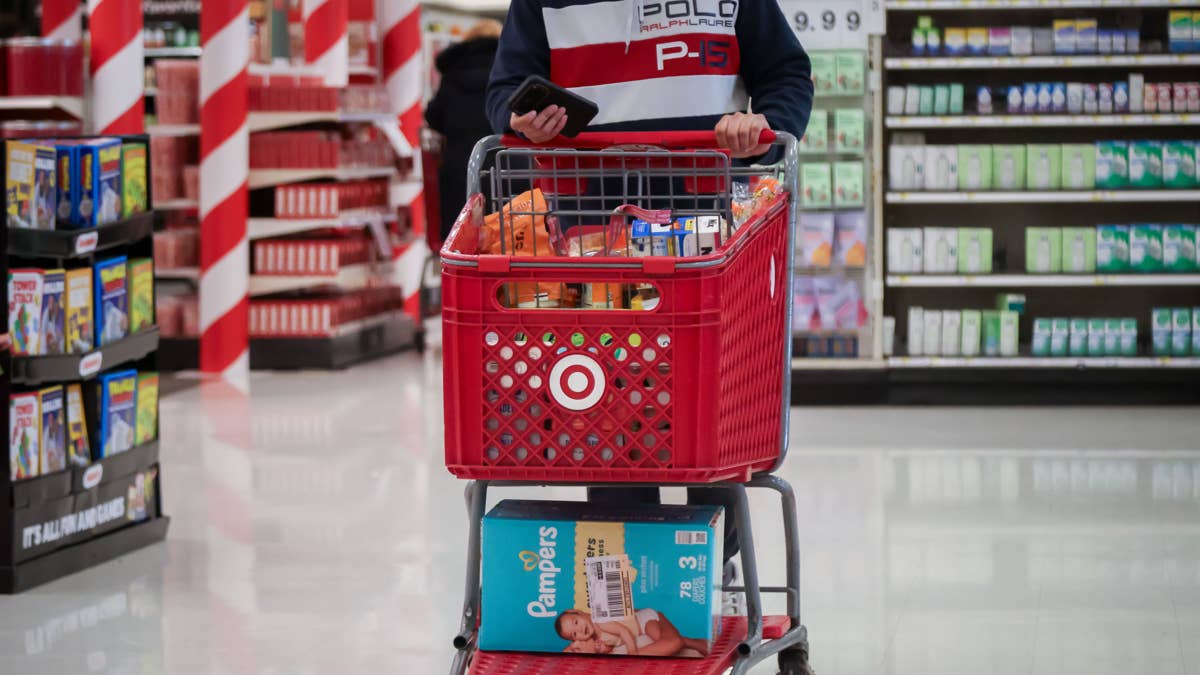
Target has reported a 5.6% year-on-year increase in comparable sales for the first quarter of 2026, surpassing internal expectations under new chief executive Michael Fiddelke. The retailer raised its full-year net sales growth forecast to 4%, a 2 percentage point increase from its previous guidance, signalling a tangible turnaround following a period of declining revenue and operational challenges.
The leadership change, which saw Fiddelke assume the role in February 2026, followed a year marked by a 2.6% drop in comparable sales and an 8% decline in operating income in 2025. The previous period was also characterised by controversy surrounding the rollback of diversity, equity, and inclusion policies, which contributed to consumer boycotts and difficulties in attracting price-sensitive shoppers amid inflation and tariff pressures.
In response, Fiddelke implemented a four-part strategy focused on merchandising authority, guest experience, technology, and team strengthening. Since taking the helm, Target has launched significant in-store changes, including the introduction of a new Baby Boutique department with 2,000 new items, the addition of viral apparel brand Parke with most items priced under $40, and a limited-time Pokémon collection.
These initiatives have driven category-specific growth, with the baby category seeing a 5 percentage point sales increase and health and wellness categories posting double-digit growth after the addition of roughly 1,500 new items. Toy sales also grew by double digits following an expansion of the assortment to include more items under $10. Foot traffic data from Placer.ai supports this rebound, showing a 7.1% rise in February, followed by 6.5% in March and 4.8% in April.
Despite the positive results, the company remains cautious given the broader economic environment. The University of Michigan Consumer Sentiment Index recorded a 7.7% year-on-year decline in May, with consumers citing gasoline prices and tariffs as primary concerns. Furthermore, a survey from consumer insights platform Zappi indicates that 90% of consumers are adjusting their shopping habits due to rising costs, with 32% willing to purchase the cheapest option regardless of brand.
To sustain momentum, Fiddelke announced plans for the "largest reset in food in over a decade" and a multiyear reinvention of home and beauty categories. While the first-quarter performance demonstrates that guests are responding well to the strategic shifts, the company acknowledges the ongoing uncertainty in the macroeconomic landscape and the need to continue investing in its stores and digital experiences.