Taiwan Travelogue makes history as first Mandarin Chinese novel to win International Booker
The novel, published by And Other Stories, is praised for balancing postcolonial critique with romance, marking a significant shift in the prize’s linguistic diversity.
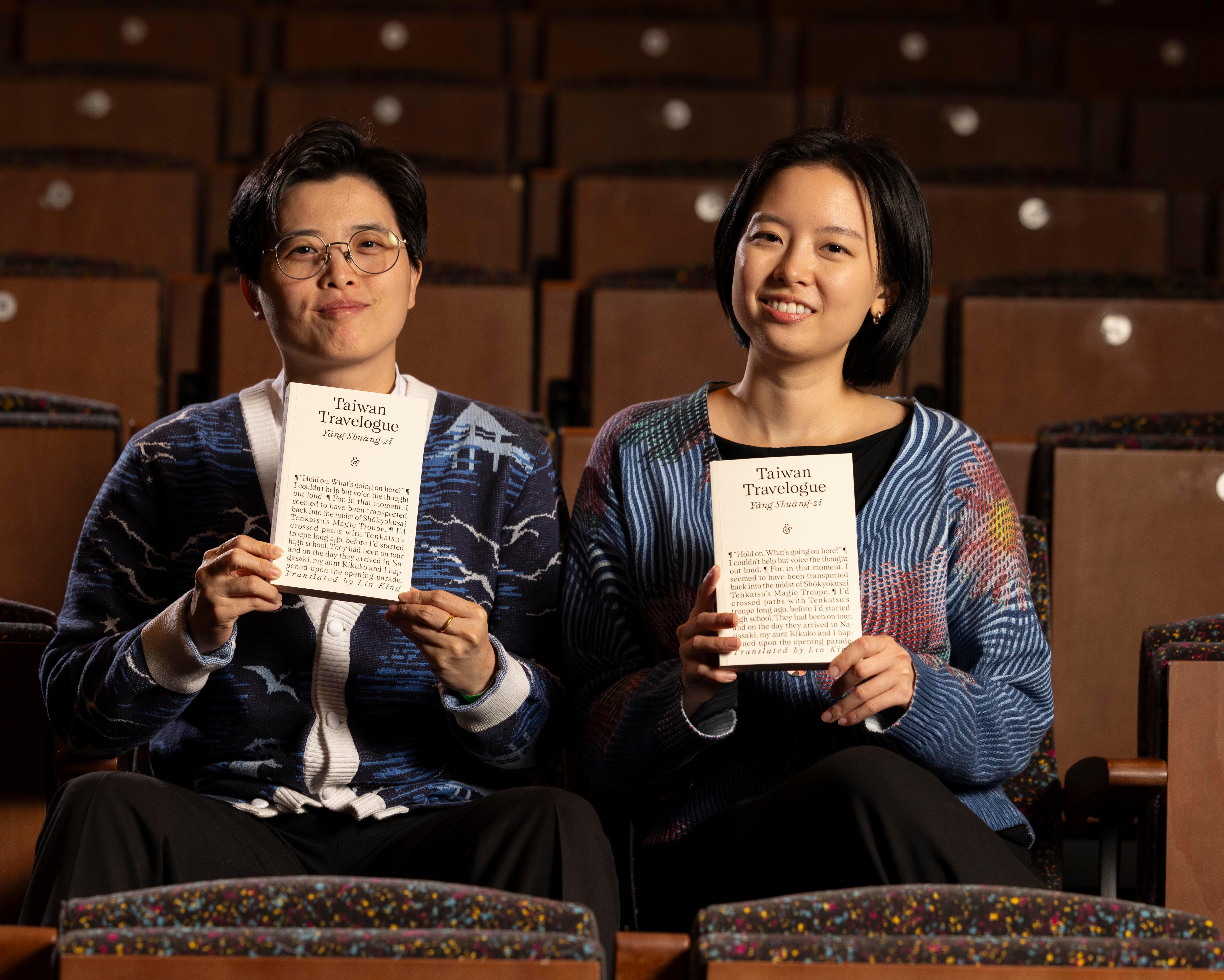
Taiwan Travelogue, a novel originally written in Mandarin Chinese by Yáng Shuāng-zǐ and translated by Lin King, has become the first book in the language to win the International Booker prize. The announcement was made during a ceremony at Tate Modern in London, where the £50,000 award was split equally between the author and the translator. Yáng and King are the first Taiwanese and Taiwanese-American recipients of the accolade, which honours the best fiction translated into English and published in the UK or Ireland.
Set against the backdrop of Japanese-occupied Taiwan in 1938, the narrative follows a novelist who embarks on a culinary tour with an interpreter, eventually falling in love. The work is structured as a translation of a rediscovered memoir, featuring fictional footnotes and afterwords by the characters alongside “real” annotations by King. This design creates a metafictional layer around the central love story, a technique that judging chair Natasha Brown described as pulling off an “incredible double feat” by succeeding as both a romance and an incisive postcolonial novel.
The win marks the second consecutive year that the Sheffield-based independent press And Other Stories has secured the prize, following Heart Lamp by Banu Mushtaq last year. Taiwan Travelogue had already garnered significant critical acclaim, with the original Mandarin Chinese publication winning Taiwan’s Golden Tripod award and King’s English translation taking the US National Book Award for translated literature in 2024.
Yáng Shuāng-zǐ cited the complex historical legacy of Japanese colonialism as a primary inspiration for the work. She noted that while Koreans often view this history with uniform resentment, Taiwanese people regard it with a conflicted mix of distaste and nostalgia. The author aimed to untangle these circumstances through a contemporary lens, exploring the implications for the future. King, who also writes original fiction, brings her own literary background to the translation, having recently published her debut novel, Weeb.
The novel prevailed over five other shortlisted titles, including The Director by Daniel Kehlmann and The Witch by Marie NDiaye. The judging panel, which also included mathematician Marcus du Sautoy and translator Sophie Hughes, selected the winner from works published between 1 May 2025 and 30 April 2026. This victory adds to a lineage of previous winners such as Han Kang and Olga Tokarczuk, further highlighting the global reach of translated literature.