Switzerland faces pivotal referendum on 10 million population cap
The Swiss People's Party’s "sustainability initiative" has been branded a "chaos initiative" by opponents, with voters deciding whether to impose a hard limit on residents by 2050.
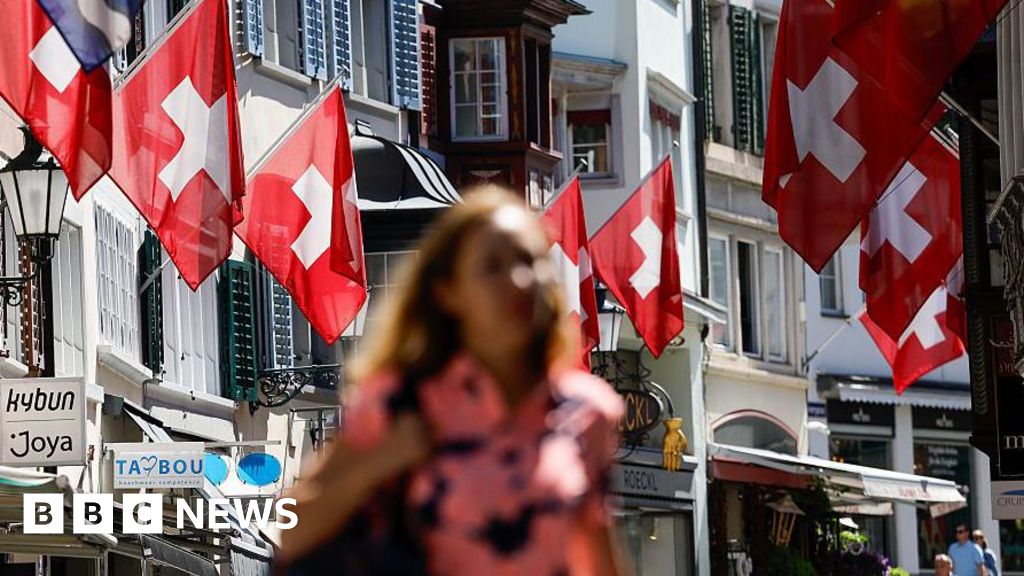
Switzerland is conducting a national referendum on a proposal to cap its population at 10 million by 2050, a move that has polarised the political landscape and drawn sharp criticism from the federal government. Backed by the right-wing Swiss People's Party, the measure is framed as a "sustainability initiative" designed to alleviate pressure on housing, public services, and the environment. Conversely, the government, major political parties, business leaders, and trade unions have condemned the plan as a "chaos initiative", arguing it would precipitate severe labour shortages and damage Switzerland’s diplomatic standing.
Current polling indicates a closely contested outcome, with 52 per cent of voters opposed to the cap and 45 per cent in favour, while a significant portion of the electorate remains undecided. The Swiss population has grown rapidly from 7.3 million in 2002 to 9.1 million today, with 27 per cent of residents being foreign nationals. Proponents argue that unchecked immigration has led to overcrowded transport, expensive housing, and strained social services, while opponents contend that the cap ignores structural issues such as an ageing demographic and insufficient public investment.
Under the terms of the proposal, the government would be mandated to take restrictive measures once the population reaches 9.5 million. These measures could include limiting asylum grants and ending family reunification rights for foreign workers. If the 10 million threshold is reached, Switzerland would be required to terminate international agreements, including the free movement of people with the European Union. This provision has caused alarm among business leaders, who warn that severing ties with Brussels could jeopardise Switzerland’s access to the EU single market, its most important trading partner.
Labour shortages in critical sectors are a primary concern for opponents. The Swiss business association, Economiesuisse, has highlighted that immigrants constitute a significant portion of the workforce in hospitality and healthcare, with half of all hotel staff being foreign nationals. Critics argue that restricting immigration would exacerbate staffing crises in hospitals and care homes, particularly as 20 per cent of the Swiss population is now over 65. They contend that young workers are needed to fund and staff the needs of an ageing society, a demographic shift that cannot be addressed by population caps alone.
The debate has also taken on geopolitical dimensions, with campaigners warning that the cap could lead to international isolation. Campaign posters featuring US President Donald Trump, Russian President Vladimir Putin, and Chinese President Xi Jinping have been circulated, urging voters to reject the measure to maintain European ties during a period of global instability. While the Swiss People's Party argues the initiative is essential for preserving a safe and prosperous way of life, opponents such as Social Democrat Helin Genis assert that the proposal scapegoats migrants for housing and cost issues that are determined by political decisions on infrastructure and social investment.