Swinney’s independence motion overshadowed by Murrell embezzlement scandal
First Minister tables symbolic referendum vote as former party chief executive pleads guilty to misappropriating £400,310
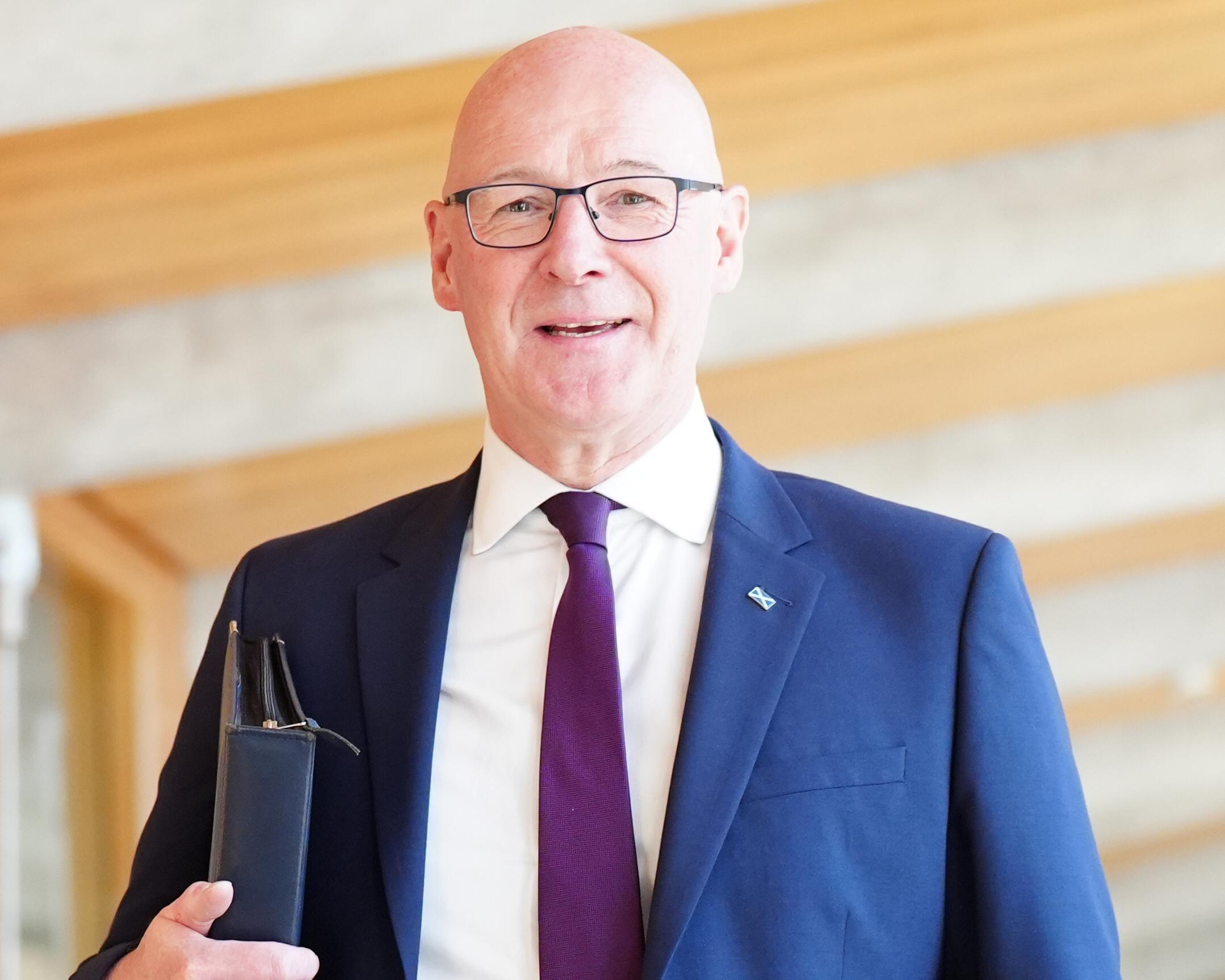
The Scottish National Party faced intense scrutiny on Tuesday as First Minister John Swinney tabled a symbolic motion in the Scottish Parliament calling for a second independence referendum. The initiative was immediately overshadowed by the guilty plea of former SNP chief executive Peter Murrell, who admitted to misappropriating £400,310.65 of party funds while in office.
Swinney used the first full day of parliamentary business to stage the vote, fulfilling a commitment made during the Holyrood election campaign. The motion did not introduce new legal or constitutional arguments but instead challenged pro-UK parties to accept the principle that Scotland possesses the right to decide its own future. Swinney told MSPs he sought confirmation that the union was voluntary and that the democratic wishes of the Scottish people must be respected.
Scottish Labour leader Anas Sarwar criticised the timing of the debate, arguing that the SNP was prioritising its own constitutional ambitions over pressing economic issues such as the cost-of-living crisis and housing shortages. Sarwar linked the motion to Murrell’s crimes, stating that the misappropriation of member donations provided stark evidence that the party placed its interests above those of voters. He accused the SNP of embezzling opportunities for the public over the past two decades.
Scottish Conservative leader Russell Findlay described the timing of the constitutional debate as comical given the dominance of the financial scandal in the political agenda. Findlay alleged that Swinney had previously quashed internal concerns regarding party finances before the police investigation began. He also referenced former leader Nicola Sturgeon’s repeated “no comment” responses during her police interview, describing the tactics as reminiscent of organised crime and questioning the SNP’s fitness to manage an independent Scotland’s finances.
Despite the backlash, Scottish Green co-leader Ross Greer supported the motion, arguing that the combined seats of the SNP and Greens constituted the largest pro-independence majority in Holyrood’s history. Greer dismissed arguments from Conservative finance spokesperson Craig Hoy, who noted that pro-UK parties secured 59 per cent of regional votes compared to 41 per cent for the SNP-Green alliance. Greer maintained that a parliamentary majority is sufficient mandate to pursue issues on which it has won voter support.