Streeting urges NI cut and North Sea drilling amid leadership challenge
Wes Streeting calls for targeted reduction in employers’ national insurance and approval of Rosebank and Jackdaw fields, drawing sharp rebuttal from Work and Pensions Secretary Pat McFadden.
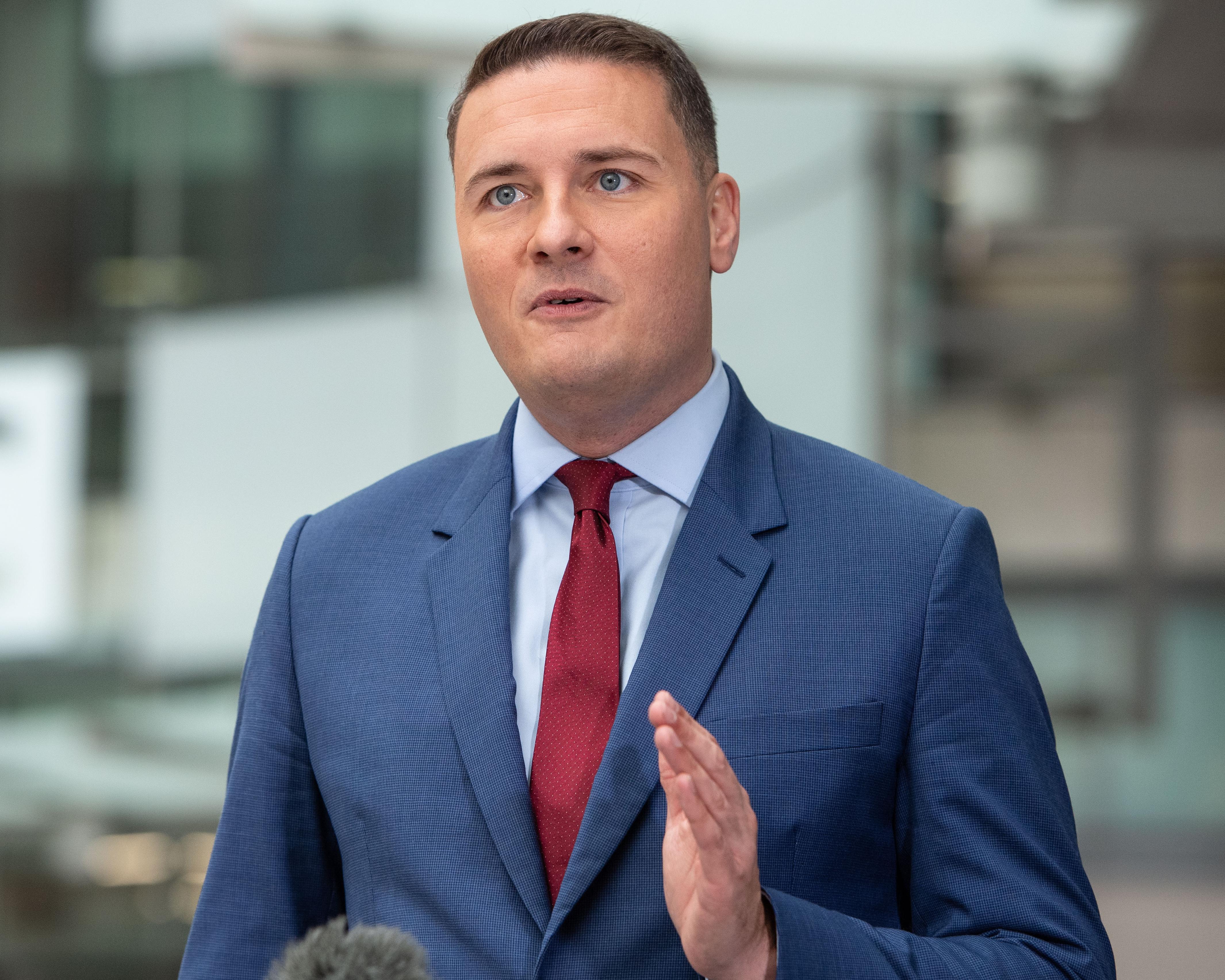
Labour leadership candidate Wes Streeting has called for a targeted reduction in employers’ national insurance contributions, arguing that the current rates disincentivise the hiring of lower-paid staff, particularly young people. Streeting, who has openly stated his intention to challenge Prime Minister Keir Starmer, told the Sunday Times that a cut in the tax would “actively incentivise” recruitment. His intervention comes as a report by former cabinet minister Alan Milburn highlights a halving of vacancies in the hospitality industry over the past four years, contributing to Britain having the third-highest rate of 16- to 24-year-olds not in education, employment, or training among rich European countries.
The current national insurance framework, implemented in 2024, raised the employer contribution rate from 13.8% to 15% and lowered the starting threshold from £9,100 to £5,000, a measure designed to raise £25bn annually. Work and Pensions Secretary Pat McFadden defended the government’s record, noting that businesses are already exempt from paying national insurance for workers under 21. McFadden argued that any further tax changes would have fiscal consequences, stating that every call for a tax change requires costs to be netted off. He added that the increased revenue has contributed to falling NHS waiting lists, which he described as an important labour market measure.
On energy policy, Streeting urged the government to approve drilling at the Rosebank and Jackdaw oil and gas fields in the North Sea. Although Labour’s manifesto included a commitment not to issue new fossil fuel licences, these fields hold exploration licences from the previous Conservative government and require only drilling consent. Streeting predicted that Energy Secretary Ed Miliband would grant approval, arguing that the decision would lead to higher tax receipts rather than necessarily cheaper energy bills. He expressed surprise if Miliband did not proceed with the consents in the coming weeks.
The decision on Rosebank and Jackdaw rests with Miliband and the North Sea Transition Authority, who must determine if the drilling is consistent with the UK’s climate commitments. Streeting’s dual focus on tax reform and energy production underscores his policy platform as he positions himself for the leadership contest. Manchester Mayor Andy Burnham is currently regarded as the frontrunner for the leadership, with Streeting’s challenge adding complexity to the internal party dynamics ahead of the upcoming election cycle.
Burnham is set to contest the Makerfield byelection on 18 June to regain his parliamentary seat, a prerequisite for standing in the leadership contest. Streeting’s public desire for Starmer to resign signals a significant shift in Labour’s internal politics, moving beyond standard policy debate into a direct challenge for the party’s future direction. The government’s response to Streeting’s proposals will likely hinge on balancing fiscal constraints with the urgent need to address youth unemployment and energy security.