Streeting signals long-term EU rejoin ambition as policy options emerge
As the UK approaches the tenth anniversary of the Brexit referendum, political debate is shifting from whether to rejoin to how it might be achieved, with significant hurdles remaining in public opinion and technical negotiations.
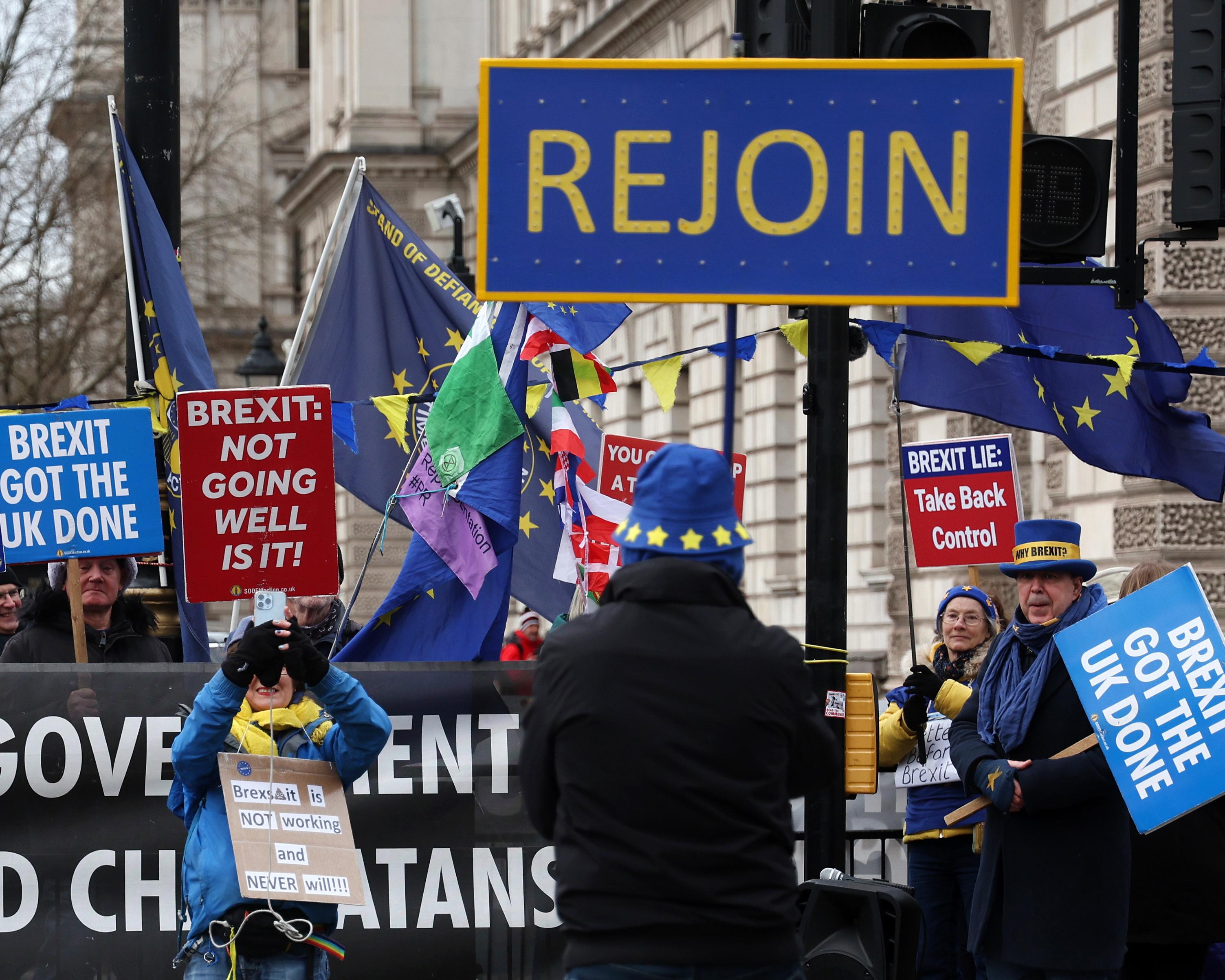
Former health secretary Wes Streeting has proposed that the United Kingdom should aim to rejoin the European Union, advocating for a "new special relationship" with the bloc. Speaking as a potential Labour leadership contender, Streeting suggested that while the current government under Keir Starmer seeks reset arrangements, the optimal long-term outcome remains full membership. His comments mark a notable shift in political discourse approximately a decade after the Brexit referendum and six years after the UK’s formal exit.
The Guardian has outlined three primary pathways for unpicking Brexit, each presenting distinct governance challenges. The first, full rejoining, would likely necessitate a referendum with support thresholds estimated between 60 and 70 per cent to ensure political stability. Such a move would require intense technical negotiations to unstitch the existing withdrawal agreement, addressing complex issues surrounding Northern Ireland, citizens’ rights, and the financial settlement. Furthermore, the EU would demand robust security guarantees to prevent future instability, a request that competes with Brussels’ focus on Ukraine and Moldova.
A second option involves a Swiss-style arrangement, which grants frictionless access to the single market, electricity market, and various research programmes. This model requires the UK to accept the free movement of people and contribute €375 million (£326 million) annually to EU funds. The EU previously offered this structure to the UK, but it was rejected by former prime minister Boris Johnson due to the requirements for regulatory alignment and free movement. The arrangement highlights the EU’s willingness to engage with third countries, though it also underscores the administrative burden of maintaining such agreements.
The third pathway is rejoining the European Economic Area (EEA) via the European Free Trade Association (EFTA). This route would require the UK to negotiate EFTA membership and accept free movement, a strategy previously rejected by Starmer. Countries such as Norway, Liechtenstein, and Iceland are currently part of the EEA. Iceland is reportedly considering full EU membership following external geopolitical pressures, illustrating the evolving nature of European integration.
Public sentiment remains divided on the issue. A recent survey by Best for Britain indicated that more than 80 per cent of voters planning to support Labour, the Liberal Democrats, or the Greens favour a full return to the EU. However, only 53 per cent of the general electorate share this view. While Streeting’s government has pursued incremental alignment, including a youth mobility scheme capped at 50,000 participants, critics argue these measures have had limited economic impact and may not adequately address the consequences of Brexit.