Streeting proposes tax equalisation in Labour leadership bid
Wes Streeting outlines plan to align capital gains tax with income tax bands, citing £12bn revenue potential and urging party unity ahead of contest against Reform UK
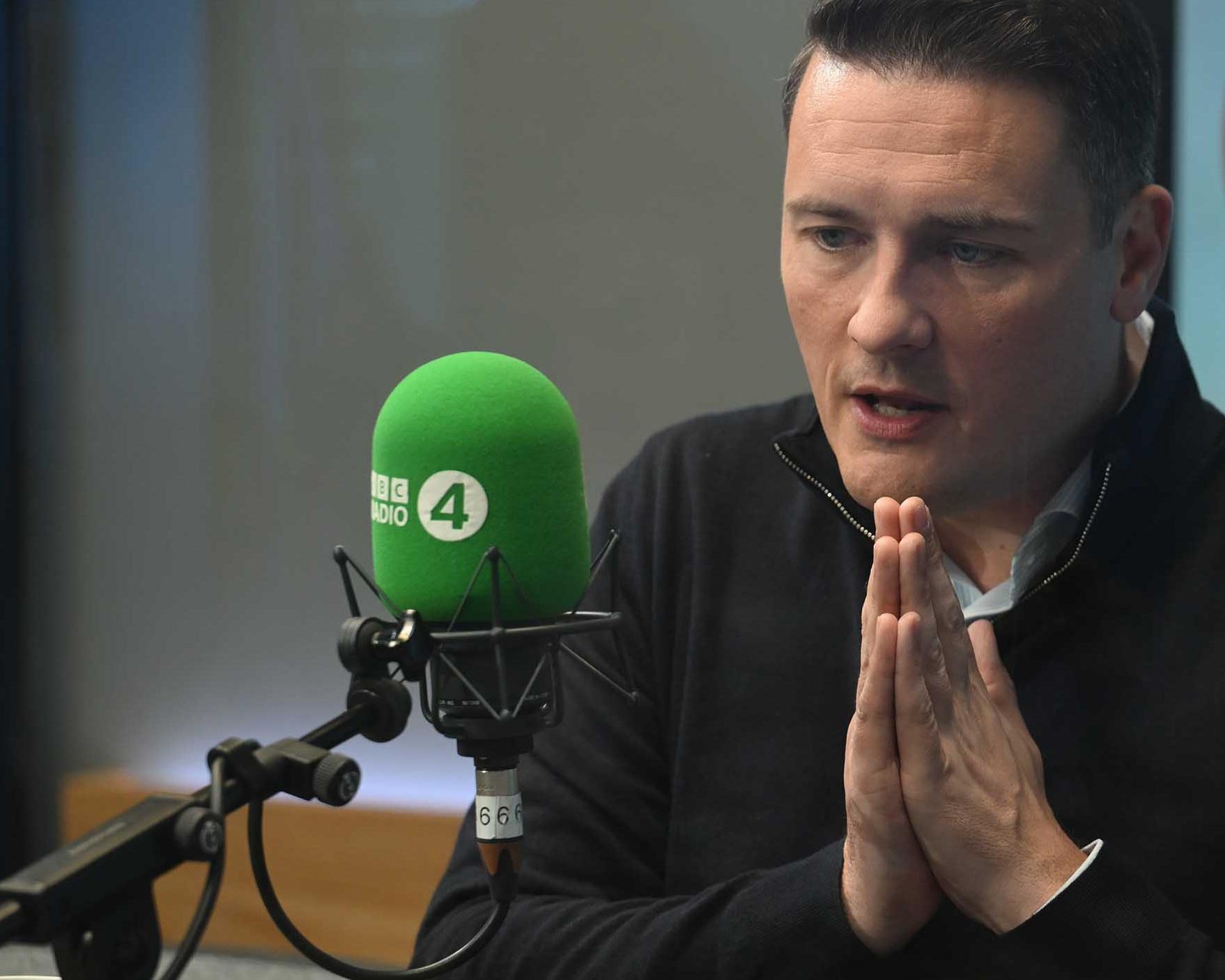
Former health secretary Wes Streeting has launched a significant policy pitch for the Labour party leadership, calling for the equalisation of income tax and capital gains tax rates. Speaking on the BBC’s Political Thinking podcast, Streeting argued that the current fiscal framework is fundamentally unfair, penalising earned labour while rewarding asset ownership. He proposed that capital gains tax rates should mirror the three existing income tax bands of 20 per cent, 40 per cent, and 45 per cent, calculated by aggregating an individual’s income and profits from assets.
Streeting described the proposal as a “wealth tax that works,” estimating it could generate up to £12bn in annual revenue. He highlighted the disparity in the current system, noting that higher or additional rate taxpayers currently pay 24 per cent on capital gains. To illustrate the inequity, he cited the example of a woman in Lancashire who pays a higher tax rate on her salary than her landlord pays on the increasing value of the property she rents. “A pound made from simply owning assets should not be taxed less than a pound made from a hard day’s work,” he said.
The policy framework includes specific provisions to protect genuine entrepreneurs, with lower capital gains tax rates available for those taking risks to build companies. Streeting also emphasised the need to close loopholes that allow individuals to disguise income from work as capital gains, such as through personal service companies or share-based pay structures. He referenced a 2024 report by the Centre for the Analysis of Taxation, which estimated that similar changes to capital gains tax could raise £14bn, lending academic weight to his fiscal arguments.
While critics warn that raising capital gains tax could encourage capital flight or discourage investment, Streeting countered that the current system incentivises investment in less productive businesses. He argued that his proposal offers a pro-business, pro-growth, and pro-productivity alternative. By aligning tax rates, he aims to correct the widening gap between earned and unearned income, which he identified as a key driver of public anger and economic stagnation.
Streeting, who recently resigned from the cabinet, confirmed he holds the support of 81 MPs, the threshold required to launch a formal leadership challenge. However, he has delayed initiating the contest to allow Greater Manchester mayor Andy Burnham to stand, aiming to unite the party against Reform UK. Streeting warned that Labour risks handing power to its political rivals if it fails to change course, stressing the necessity of bringing together the party’s different traditions to present a cohesive progressive front.