Stranded vessels coordinate with US Navy to navigate Hormuz Strait amid regional clashes
Strategic coordination emerges as ships exit the critical chokepoint, coinciding with high-level diplomatic talks in Beijing.
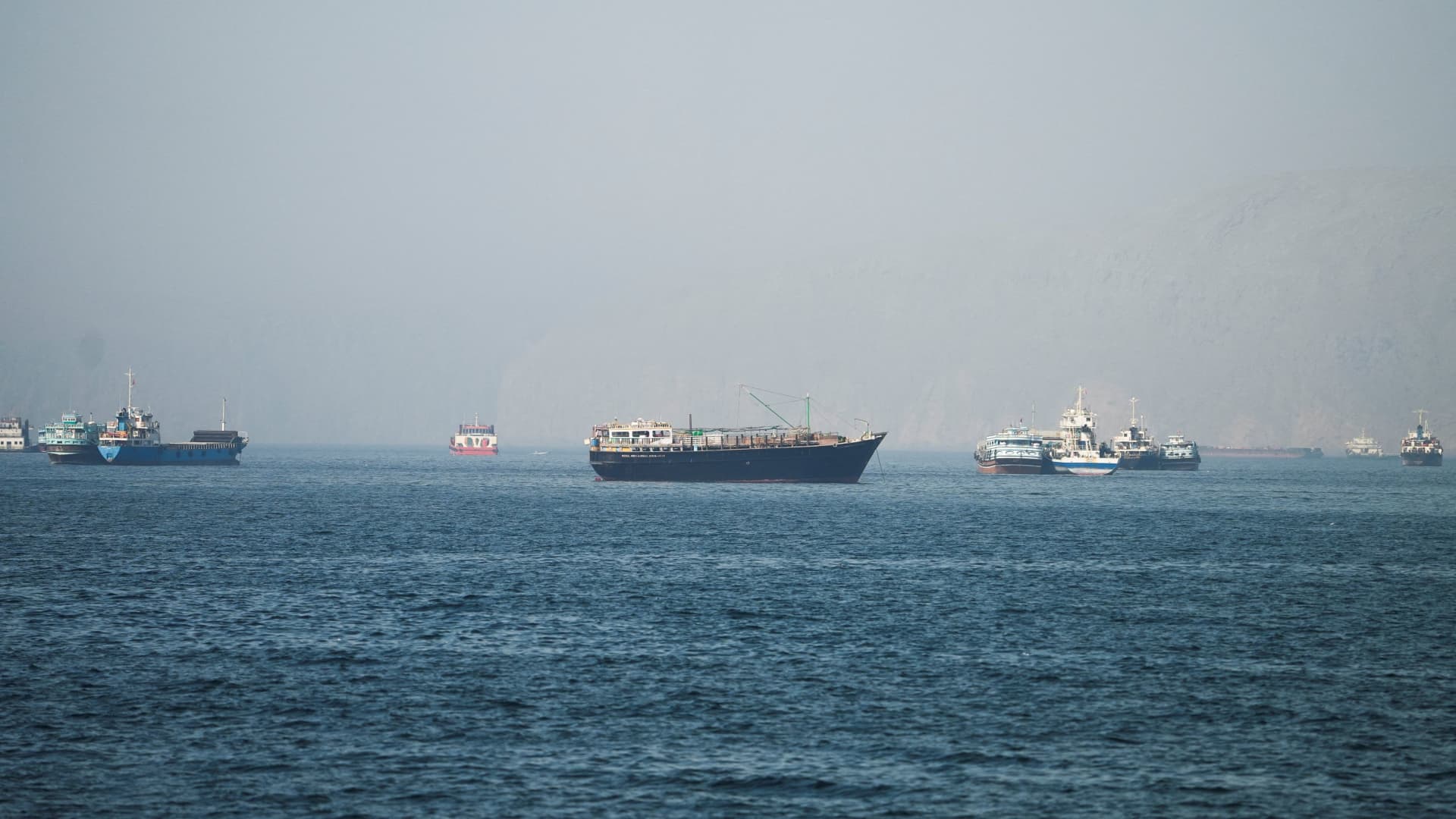
Commercial vessels stranded in the Persian Gulf have quietly coordinated with the United States Navy to facilitate their exit from the Strait of Hormuz. This development follows a series of clashes between the United States and Iran involving commercial shipping earlier in the week, raising immediate concerns regarding the safety of transit through the critical maritime chokepoint.
The coordination between private commercial ships and the US Navy represents a significant operational shift in the region. While the specific mechanisms of this arrangement remain undisclosed, the move underscores the escalating tensions that have disrupted normal shipping operations. The Strait of Hormuz serves as a vital artery for global energy supplies, making any disruption to its transit highly consequential for international markets.
These maritime developments unfold against a backdrop of intense diplomatic activity. US President Donald Trump and Chinese President Xi Jinping commenced a two-day summit in Beijing on Thursday, with the Strait of Hormuz explicitly listed as an agenda item alongside discussions on trade and artificial intelligence. The inclusion of the maritime corridor in these high-level talks highlights its strategic importance to global stability and economic interests.
Market participants reacted positively to the diplomatic engagement, with US stock markets rising on Thursday. The Dow Jones Industrial Average gained 0.8 per cent, the S&P 500 rose 0.3 per cent, and the Nasdaq Composite climbed 0.2 per cent. Additionally, Nvidia shares surged more than 2 per cent following news that the US approved H200 chip sales to Chinese firms, reflecting broader investor sentiment during the summit.
The recent clashes between the US and Iran over commercial vessels have introduced a layer of uncertainty to the region. As stranded ships seek safe passage through the Hormuz Strait, the quiet coordination with naval forces suggests an informal or non-public arrangement to mitigate risks. The outcome of these efforts and the broader implications for regional security remain to be seen as diplomatic and military dynamics continue to evolve.