Steam Deck sales slump 80 per cent following component-driven price hike
Analysis by Boiling Steam indicates weekly unit sales have plummeted from an estimated 18,000 to under 3,000, with consumers shifting attention to rival devices like the ROG Ally and Lenovo Legion Go.
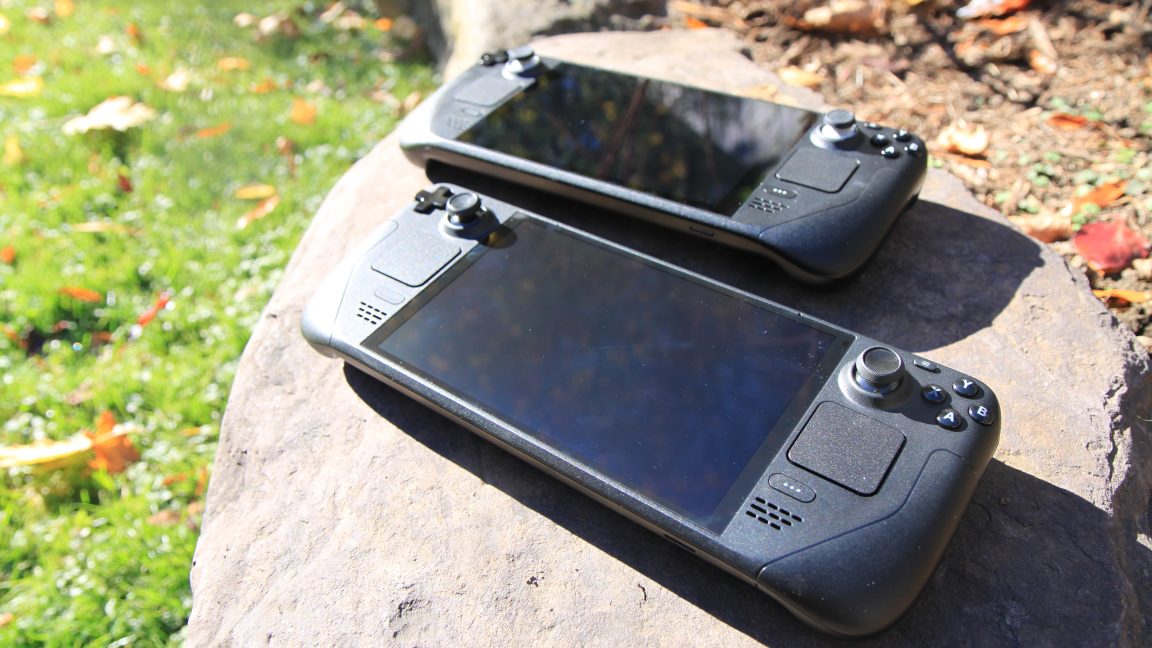
Sales of Valve’s Steam Deck handheld gaming PC have experienced a sharp contraction following a significant price adjustment implemented in May 2026. The device, which had consistently ranked at or near the top of the company’s revenue-based bestseller charts since its 2022 launch, has seen its market position deteriorate rapidly as the price range expanded from $400–$649 to $789–$949.
Data analysis by the Linux-focused site Boiling Steam reveals that the Steam Deck’s ranking on Valve’s top-selling product charts has fallen from fifth place in late May to 14th place in early July. This marks a stark departure from 2025 performance, during which the device rarely dropped below seventh place and was frequently found within the top five. The decline in chart position correlates with an estimated 80 per cent drop in weekly unit sales, falling from a baseline of approximately 11,000 to 18,000 units per week to a current estimate of just 1,400 to 3,000 units.
The price increase was driven by persistent shortages in RAM and storage components, factors that have fundamentally altered the device’s value proposition for consumers. Boiling Steam suggests that the historical price point was significantly more attractive, and the current tier of $789–$949 has likely reduced demand. At these elevated prices, consumers are increasingly considering alternative handheld gaming PCs from competitors such as the ROG Ally, Lenovo Legion Go, and MSI Claw, which may offer more powerful specifications for similar costs.
Despite the reported sales slump, supply constraints remain a complicating factor for Valve. The company has warned of intermittent shortages affecting availability in certain regions, including a brief period of unavailability in North America shortly after the May relaunch. While some stock trackers have indicated consistent availability since late May, the inability to fully satisfy market demand suggests that supply issues may be contributing to the lower chart positions alongside the price sensitivity of buyers.
The Steam Deck sold an estimated 4 million units in its first three years, establishing a strong foothold in the portable gaming market. However, the current downturn highlights the challenges Valve faces in maintaining momentum amid rising component costs. Industry observers note that while a sales decline might typically signal the need for a successor device, the current pricing environment for hardware components makes the financial viability of a new model, such as the anticipated Steam Deck 2, increasingly difficult to justify.
