Stealthy startup R3 Bio pitches 'brainless clones' as backup bodies in bid for immortality
A small biotechnology firm has proposed creating human clones without brains to serve as physical backups, a concept described as ethically charged and part of a broader strategy for immortality.
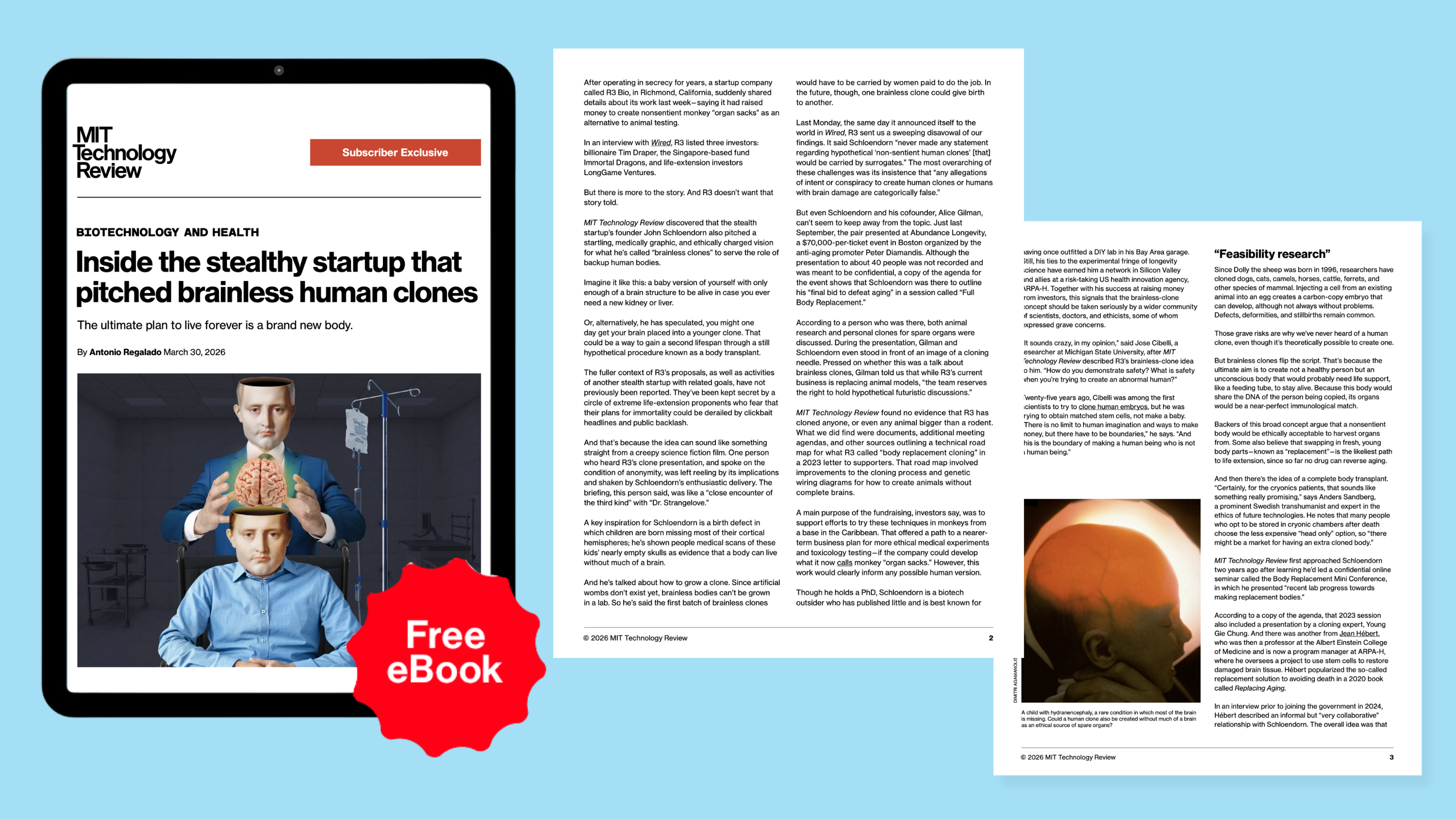
A small biotechnology startup known as R3 Bio has put forward a startling proposal to create human clones without brains to function as backup bodies for existing individuals. This vision, which frames the creation of such clones as a component of a broader strategy to achieve immortality through body replacement, was detailed in a subscriber-only eBook published by MIT Technology Review.
The report, authored by Antonio Regalado and released in April 2026 following a pitch made in March of that year, characterises the initiative as ethically charged. It describes R3 Bio as a stealthy startup operating within the rapidly advancing biotechnology sector, presenting this specific concept as a new direction for the company. The ultimate plan outlined in the discussion involves the replacement of the human body entirely to ensure perpetual life.
While the eBook explores this ambitious pitch, it notes that the specific technical feasibility or current developmental stage of the brainless clone technology is not detailed in the available report. The source material functions as a high-level overview, leaving the extent of public or regulatory scrutiny regarding this specific proposal prior to the eBook release unknown.
The proposal sits within a wider context of rapid technological advancement, where the speed of development in fields such as artificial intelligence and bioethics is outpacing society's ability to keep pace. The report suggests that the concept of immortality through body replacement represents the ultimate plan in this evolving landscape, though the moral implications remain a subject of intense debate rather than established fact.
As a subscriber-only publication, the full depth of data and interviews contained within the eBook may not be accessible in the public domain. Consequently, claims regarding the moral weight of creating brainless human clones should be attributed to the startup's pitch or the reporter's analysis rather than presented as settled scientific consensus. The initiative highlights the complex ethical terrain emerging from the intersection of biotechnology and the pursuit of longevity.
