Starmer vows to resist leadership challenge as defence spending row deepens
With the Defence Investment Plan delayed until after the NATO summit in Ankara, Keir Starmer warns against internal party turmoil, citing the need for stability amid global conflict.
UK Prime Minister Keir Starmer has pledged to fight any leadership challenge from within the Labour Party, dismissing calls for his removal following the resignation of Defence Secretary John Healey. Speaking to the BBC, Starmer stated he would not step aside, arguing that any successor would inherit the same difficult international and economic circumstances. He warned that replacing him would plunge the country into unnecessary chaos, asserting that the "prevailing winds" of global conflict and economic instability remain unchanged regardless of who holds office.
The political turbulence follows the departure of Healey and Armed Forces Minister Al Carns, who resigned in protest over the pace and level of defence spending. In a resignation letter, Healey accused Starmer of putting national security at risk by failing to stand up to Chancellor Rachel Reeves. Carns added that the government was allocating funds to the "wrong weapons" and not investing sufficiently in the military. These exits have intensified speculation about an imminent leadership challenge, particularly as Andy Burnham is expected to win the Makerfield byelection next Thursday.
Starmer defended his record on defence, claiming he has overseen the "biggest sustained increase in defence spending since the 1980s." He noted that every government department has been required to submit cuts to non-frontline spending to finance the Defence Investment Plan (DIP). The Prime Minister criticised external critics for suggesting that balancing such budgets involves easy decisions, emphasising that governance requires difficult trade-offs between competing priorities.
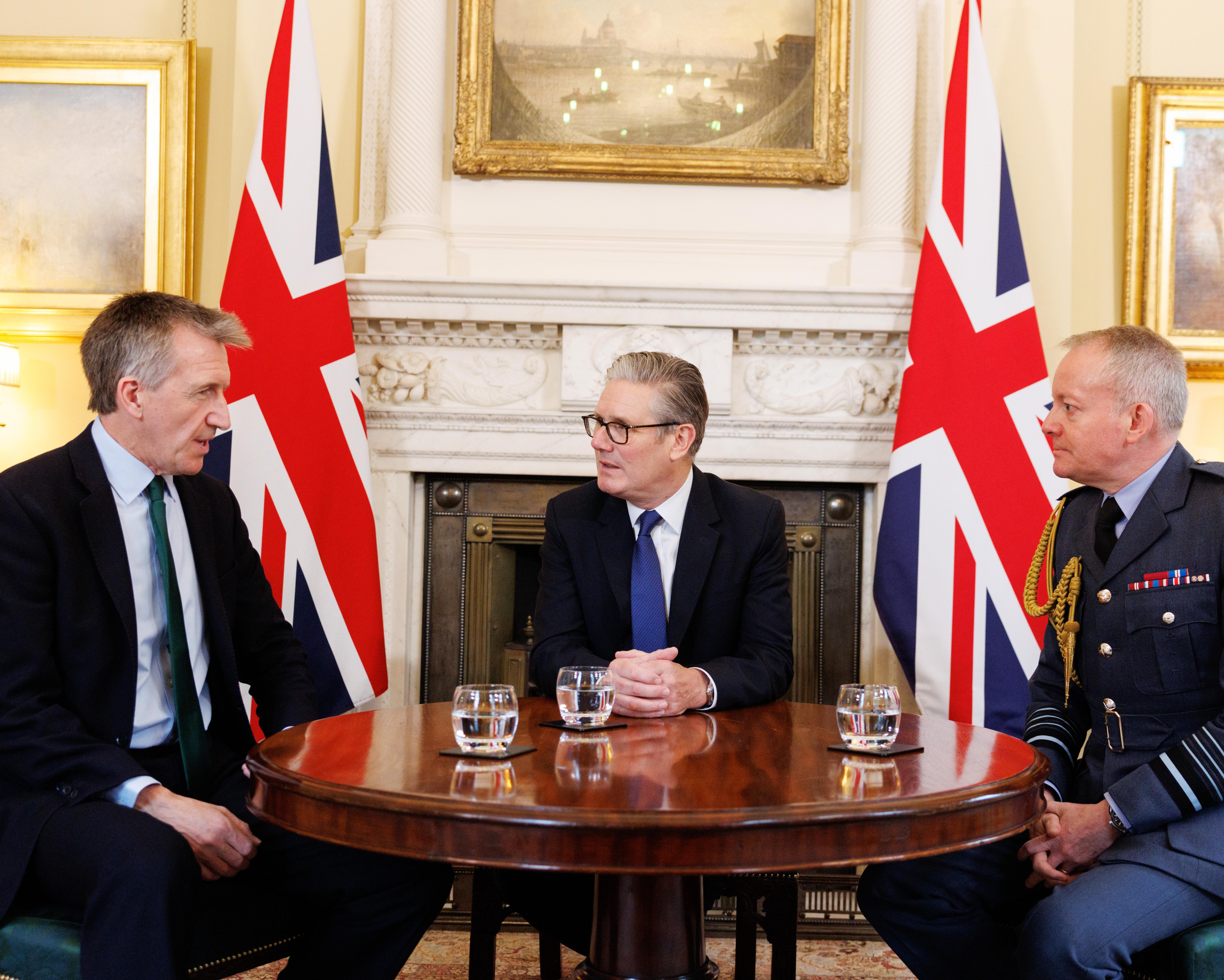
The DIP, which aims to spend at least 3.5 per cent of GDP on defence by 2035, has been delayed by the ministerial exits. Starmer confirmed the plan would be published before the NATO summit in Ankara early next month, setting a firm deadline for its release. New Defence Secretary Dan Jarvis met with Starmer and Chief of the Defence Staff Richard Knighton to discuss the plan, though it remains unclear whether Jarvis influenced the final spending totals before accepting the role.
While acknowledging the need to improve Labour’s standing after recent election setbacks, Starmer rejected the notion that he is in peril. He framed his refusal to resign as a matter of duty rather than vanity, stating he intends to lead the party into the next general election. The government now faces the dual challenge of finalising the defence strategy and managing internal party dynamics as potential challengers, including Burnham and former health secretary Wes Streeting, prepare to test Starmer’s authority.