Starmer unveils legislative agenda amid internal Labour leadership challenge
Prime Minister faces pressure from within his party while pushing through bills to abolish NHS England, overhaul special educational needs, and tighten migration controls.
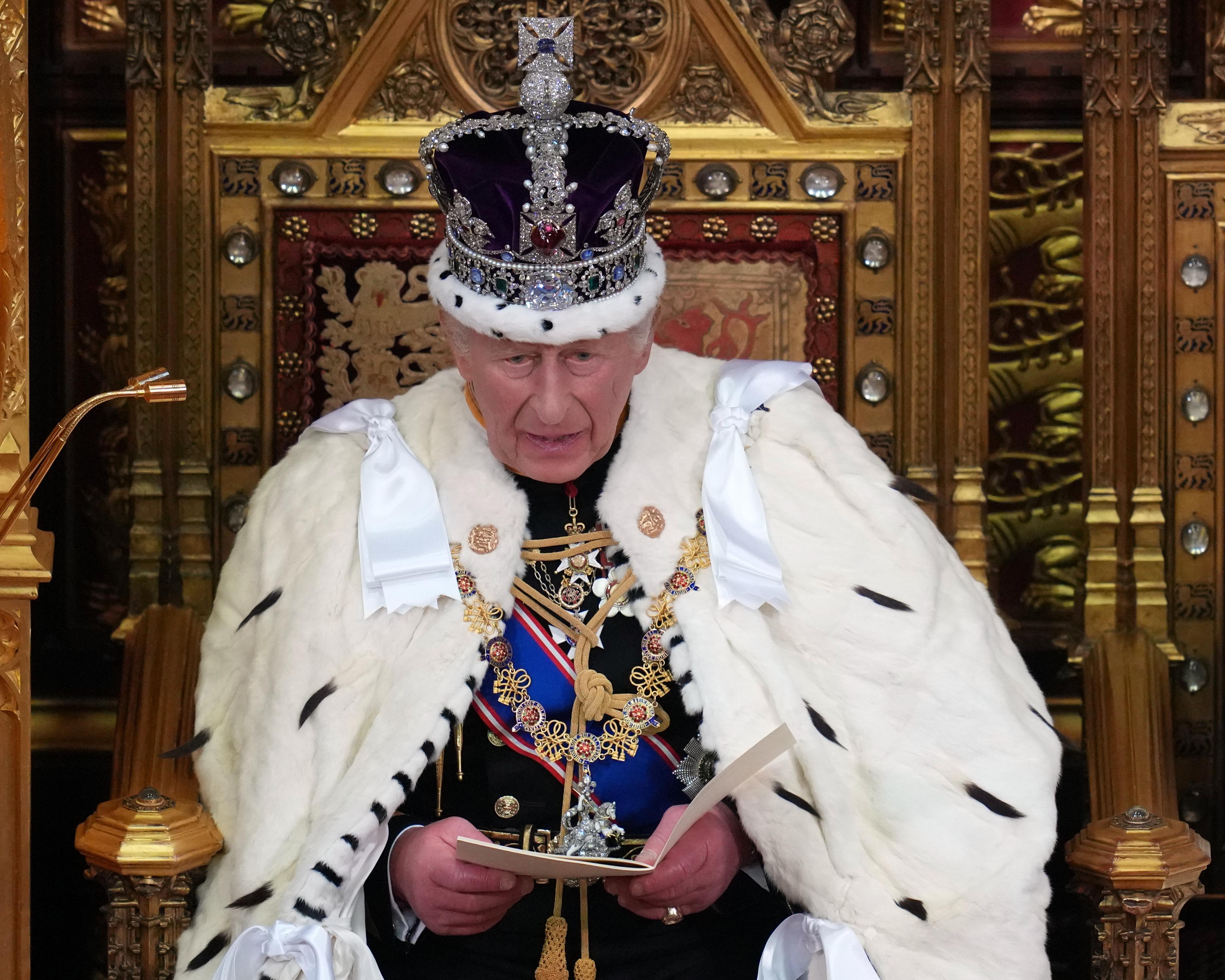
Prime Minister Keir Starmer delivered the King’s Speech on Wednesday, presenting the government’s legislative agenda for the upcoming parliamentary session. The address, which lasted 11 and a half minutes, outlined a series of measures aimed at what Starmer described as “radical reform” to make Britain “stronger and fairer”. However, the announcement coincided with significant internal turmoil within the Labour Party, as Health Secretary Wes Streeting was expected to resign on Thursday to trigger a leadership contest against the Prime Minister.
The legislative package includes bills to abolish NHS England, a pledge Streeting had made the previous year, and to overhaul the provision of special educational needs (SEN). Education Secretary Bridget Phillipson is implementing changes that will reduce eligibility for education, health and care plans while increasing schools’ responsibility for determining teaching methods for pupils with SEN. The government also plans to limit jury trials and introduce a digital ID system to check the immigration status of new employees, though the ID will not be mandatory following Starmer’s earlier retreat on a key element of the plan.
On housing, the agenda features a bill to end the leasehold system for new flats in England and Wales, with Housing Minister Matthew Pennycook stating the ban will not be enacted until after the next election. Another measure will make it harder for people to buy their own council houses. Starmer appealed to his MPs to stay the course, promising an “urgent activist Labour government that tilts power back to workers”, despite criticism from some backbenchers regarding the pace and scope of the reforms.
The speech also addressed migration and economic growth. Home Secretary Shabana Mahmood is introducing measures to curb migration, including doubling the time required for some individuals to be granted indefinite leave to remain and making it harder to appeal asylum rejections. These changes drew criticism from Labour MPs such as Rachael Maskell and Bell Ribeiro-Addy, who argued the measures lacked urgency and failed to protect the rights of those with indefinite leave to remain.
To support economic growth, the government plans to lay the groundwork to adopt European regulations and force regulators to consider growth when enforcing business rules. King Charles stated in the speech that the government believes economic security depends on raising living standards and controlling the cost of living. The King’s Speech marked the formal opening of the government’s second parliamentary session, setting the stage for a contentious period of legislative activity and internal party dynamics.