Starmer meets Streeting as Labour leadership crisis deepens ahead of King’s Speech
Cabinet ministers dismiss leadership speculation, but 11 unions signal the party must eventually plan for a new leader.
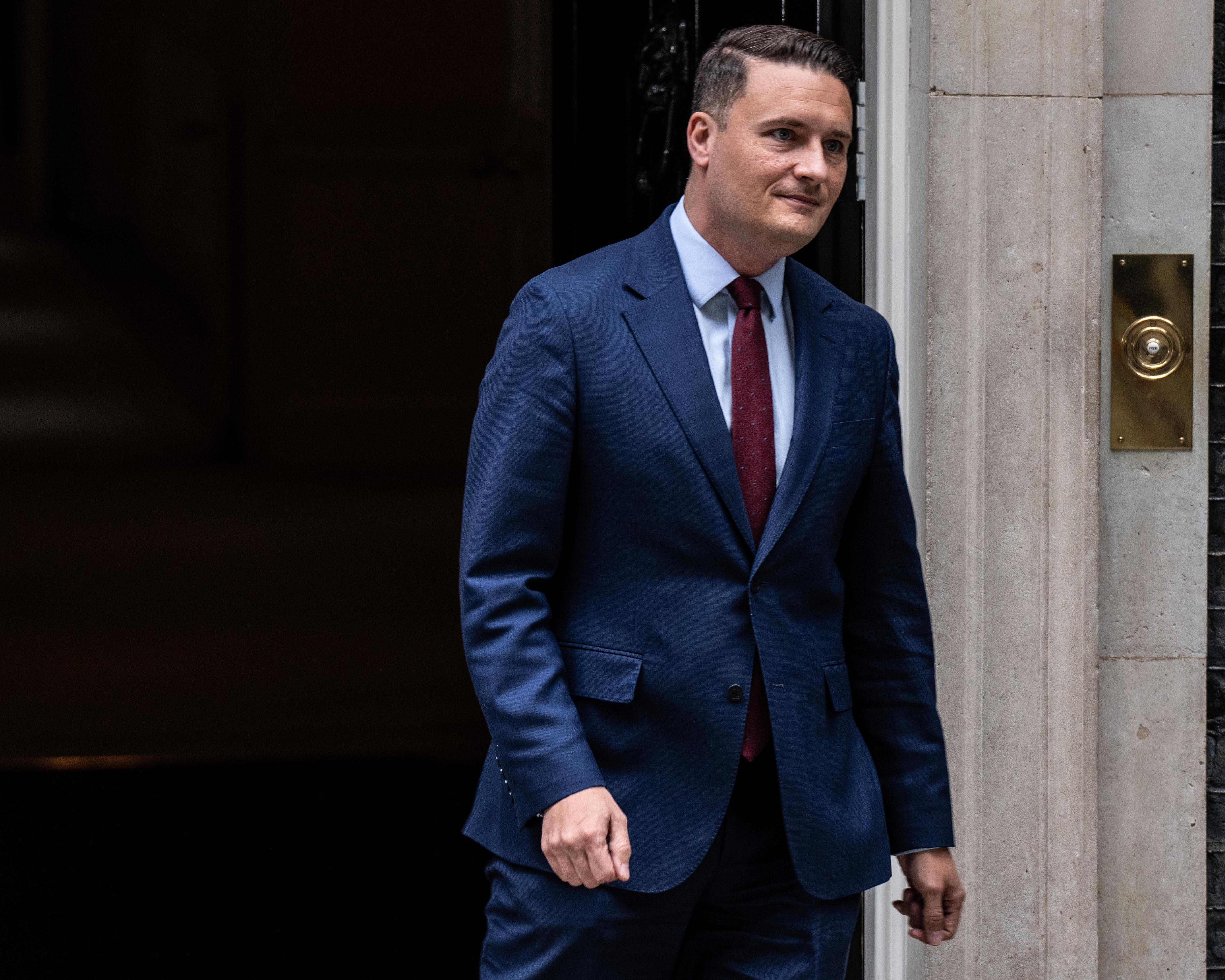
Prime Minister Keir Starmer held a 16-minute meeting with Health Secretary Wes Streeting at Downing Street on Wednesday, intensifying speculation of a Labour leadership challenge. Streeting arrived at the Prime Minister’s residence at 08:24 and departed at 08:41 without commenting to the media. The encounter occurred shortly before King Charles delivered the State Opening of Parliament, during which the government outlined its legislative programme for the coming year.
The meeting followed the resignation of former junior health minister Dr Zubir Ahmed on Tuesday, who urged Starmer to set a timetable for his departure. Ahmed described the Prime Minister as the “inadvertent midwife of a fifth-term SNP government” in Scotland, blaming central political noise for Labour’s inability to challenge the Scottish National Party. He characterised the frustration among Parliamentary Labour Party members as a “commonly held view” rather than the action of a single faction.
While Streeting’s allies sought to frame the encounter as a candid discussion of concerns, Downing Street insiders downplayed any imminent leadership bid from the Health Secretary. Cabinet Minister Nick Thomas-Symonds dismissed the meeting as a simple “coffee”, mocking the speculation surrounding the encounter by comparing it to “the final scene at Casino Royal”.
Thomas-Symonds stated there was no viable alternative candidate capable of securing the required 81 MP nominations for a leadership challenge. He asserted that Labour rebels had failed to unite around a successor, suggesting that the immediate threat to Starmer’s leadership had been survived despite the internal turmoil.
Pressure on the Prime Minister continued to build from the trade union movement, with 11 Labour-affiliated unions issuing a joint statement warning that the party cannot continue on its current path. The unions, including Unite, Unison, and GMB, stated that Labour was not doing enough to deliver the change that working people voted for at the general election and must eventually plan for a new leader.