Starmer insists on formal leadership process amid cabinet revolt and ministerial resignations
Internal friction follows crushing local election defeats as over 80 MPs call for departure but Starmer refuses to quit without official trigger
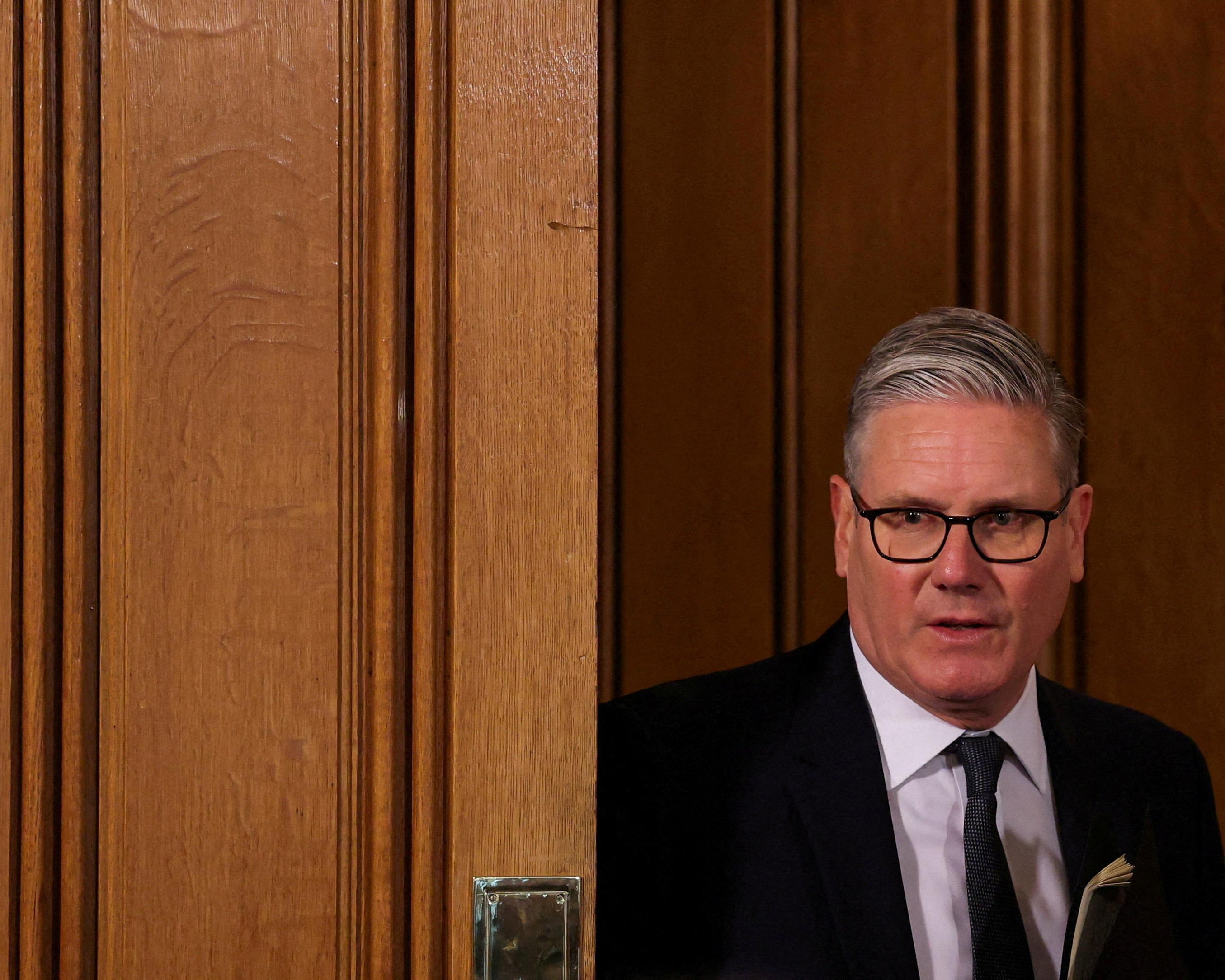
Prime Minister Keir Starmer has informed his cabinet that he will not resign unless the formal Labour Party process for challenging a leader is officially triggered. During a meeting on Tuesday, Starmer stated that the necessary threshold for such a challenge has not been met, effectively challenging Health Secretary Wes Streeting to initiate the procedure. He emphasised that the party must focus on governing and warned that resigning would impose a real economic cost on the country and families.
The standoff comes after over 80 Labour MPs called for the Prime Minister to set a timetable for his departure, surpassing the previous figure of more than 70. This surge in pressure follows crushing defeats for the Labour Party in recent local elections across England, Wales, and Scotland. Communities Minister Miatta Fahnbulleh became the first cabinet minister to resign on Tuesday morning, citing a loss of public trust and confidence in the Prime Minister.
Chief Secretary Darren Jones cautioned that replacing the Prime Minister would be a gruelling task, warning against the expectation that a new leader could instantly fix all problems. While Jones noted the Prime Minister is listening to colleagues, he insisted that Starmer would make his own decisions regarding the way forward. He remarked that anyone believing they could simply walk into the role and fix all issues has not thought carefully enough about the difficulty of the job.
Despite the internal friction, the government maintains that its legislative agenda will proceed. Officials state the agenda will continue despite the uncertainty, with the King's Speech expected to go ahead as planned on Wednesday. Starmer convened the cabinet to address the destabilising nature of the past 48 hours, arguing that the country expects the administration to get on with governing.
Views within the cabinet remain divided on the path forward. Some senior ministers, including Shabana Mahmood, Yvette Cooper, John Healey, and David Lammy, discussed an orderly transition of power after the election results risked ringing the death knell on the premiership. Conversely, others such as Richard Hermer and Steve Reed urged Starmer to fight on and oversee the government through the current term.
Overnight, some Labour MPs began to voice public support for the Prime Minister. Neil Coyle described the calls for resignation as an elephant trap, while Nick Smith highlighted the need for political stability amidst a global security crisis. The political uncertainty has sparked significant reaction within the House of Commons, where over 400 Labour MPs are represented.