Starmer hosts Zelenskyy, Macron and Merz for Ukraine strategy summit
The UK prime minister will convene with Ukrainian, French and German leaders to coordinate continued support for Kyiv following a week of intensified conflict and Vladimir Putin’s refusal of direct negotiations.
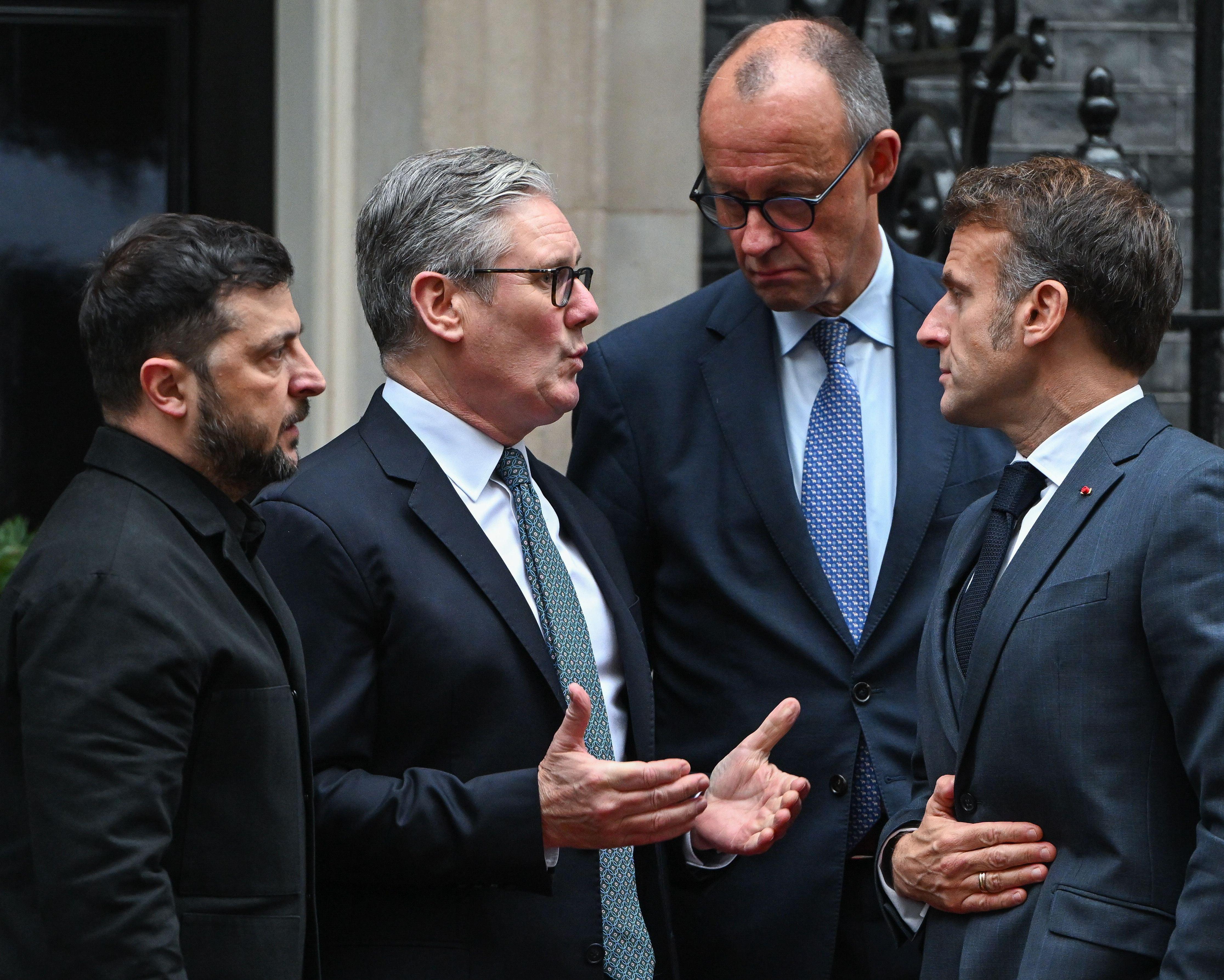
Prime Minister Keir Starmer is set to host Ukrainian President Volodymyr Zelenskyy, French President Emmanuel Macron and German Chancellor Friedrich Merz for strategic talks at Downing Street on Sunday. The summit aims to coordinate continued international support for Ukraine as the conflict with Russia enters a new phase of heightened intensity.
The diplomatic gathering follows a week of significant military escalation, marked by a large-scale Ukrainian drone attack on St Petersburg on Saturday. The strike on Russia’s second-largest city underscores Kyiv’s growing capacity to project power deep within Russian territory, altering the tactical landscape of the war.
Concurrently, Russian forces conducted nearly 30 strikes using drones and artillery across three districts in the Dnipropetrovsk region overnight into Saturday. According to regional head Oleksandr Hanzha, the attacks resulted in one death and three injuries, highlighting the persistent threat to Ukrainian infrastructure and civilian areas despite the focus of Western diplomacy.
The timing of the Downing Street meeting is particularly acute following Vladimir Putin’s rejection of a proposal for face-to-face talks between Moscow and Kyiv. The dismissal of direct negotiations suggests that the upcoming discussions in London will focus heavily on sustaining military and political backing rather than exploring immediate diplomatic off-ramps.
By convening the leaders of the UK, Ukraine, France and Germany, Starmer is signalling a unified front among key European powers. The talks are expected to address the logistical and strategic requirements needed to maintain Ukraine’s defensive capabilities in the face of ongoing Russian aggression and the lack of progress in peace negotiations.