Star Trek at 60: a future still under negotiation
As Star Trek reaches its 60th anniversary, its ideals of diversity, diplomacy and scientific progress remain central to a debate over the franchise’s legacy — and its uncertain future.
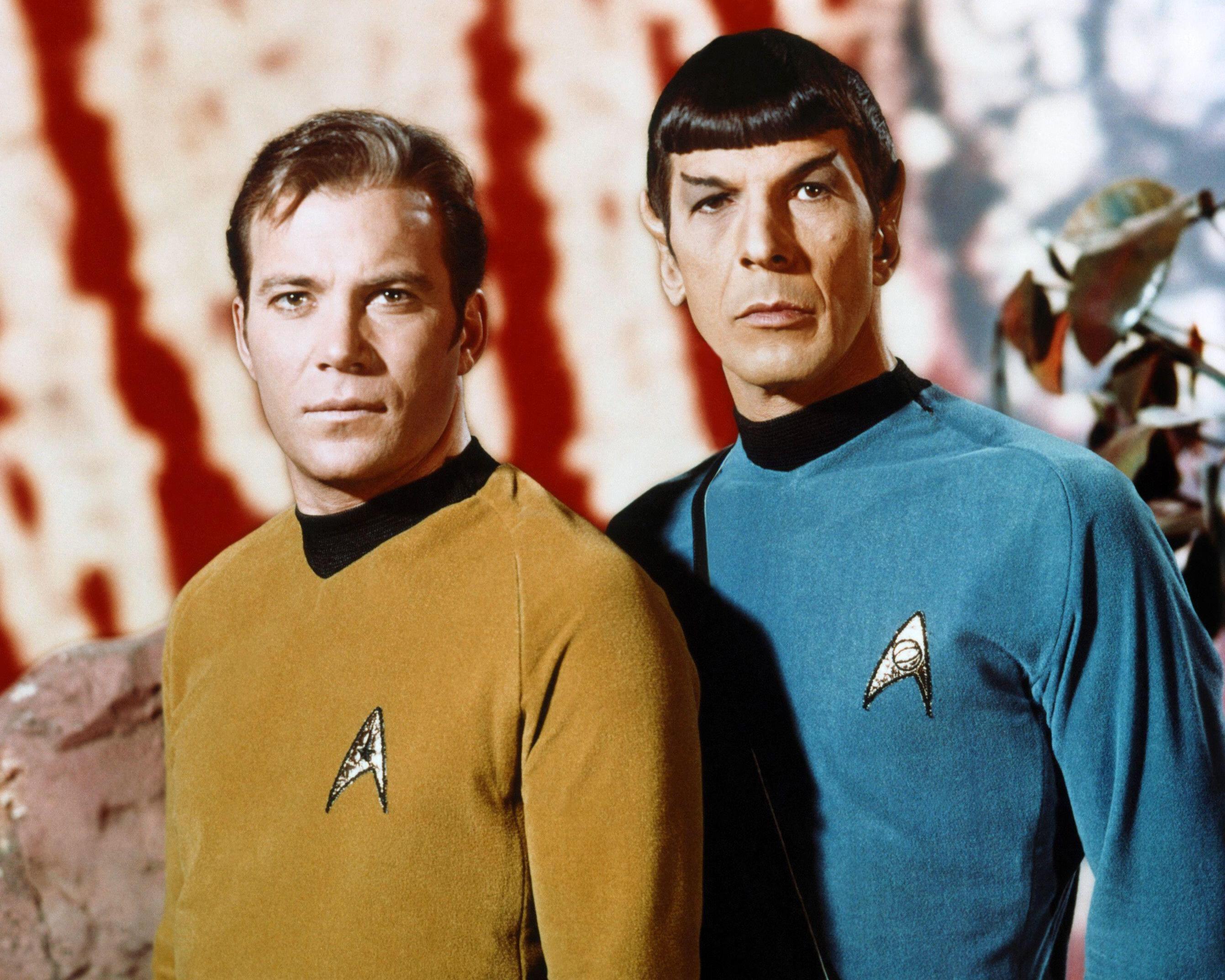
Star Trek marks 60 years on 8 September, a milestone that has renewed attention on the franchise’s distinctive cultural proposition: a future built around exploration, empathy, science and cooperation rather than conquest and war. Speaking to The Guardian, William Shatner and others involved with the series reflected on a vision that has long connected entertainment with questions of politics, technology and social change.
The original series premiered in 1966 and ran until 1969, placing a diverse bridge crew at the centre of its imagined future. Nichelle Nichols’s Lt Nyota Uhura and George Takei’s Sulu were part of a meritocratic crew in which authority was not confined to the traditional hierarchies of television. In 1968, Shatner and Nichols shared one of television’s first high-profile scripted interracial kisses.
Shatner recalled that he suggested a “lighter touch” when helping reshape the original pilot, a change that helped the series sell. He has also rejected criticism that Star Trek’s inclusiveness has gone too far, questioning the meaning of “woke” and where such a boundary might be drawn.
The franchise’s politics have shifted with the eras it has inhabited. The Next Generation, Deep Space Nine and Voyager each extended Star Trek’s interest in diplomacy, conflict and social organisation, while reflecting the concerns of their own periods. Mark Altman, co-author of The Fifty-Year Mission and director of a new documentary, argues that the series’ creators understood the cost of war and treated dialogue as an alternative to violence.
That legacy is now entangled with the fate of Starfleet Academy. Following Paramount’s merger with Skydance Media, the series was cancelled, with its planned second season set to be its last. Altman and actor Robert Picardo have argued that political criticism of the show’s diversity may have influenced the decision, though those claims have not been independently confirmed.
Picardo also sees a direct line between Star Trek’s earlier stories about artificial intelligence, sentience and intellectual property and today’s debates over generative AI. With no specific future projects or decisions confirmed in the available material, the wider franchise remains uncertain. Its enduring appeal, however, lies in the tension between the world as it is and the more cooperative one it continues to imagine.