Stanford graduate exposes venture capital culture in new book following president’s resignation
The graduating student details how venture capitalists recruit undergraduates, the collapse of FTX, and the pivot to artificial intelligence in a four-year inquiry that reshaped the campus landscape.
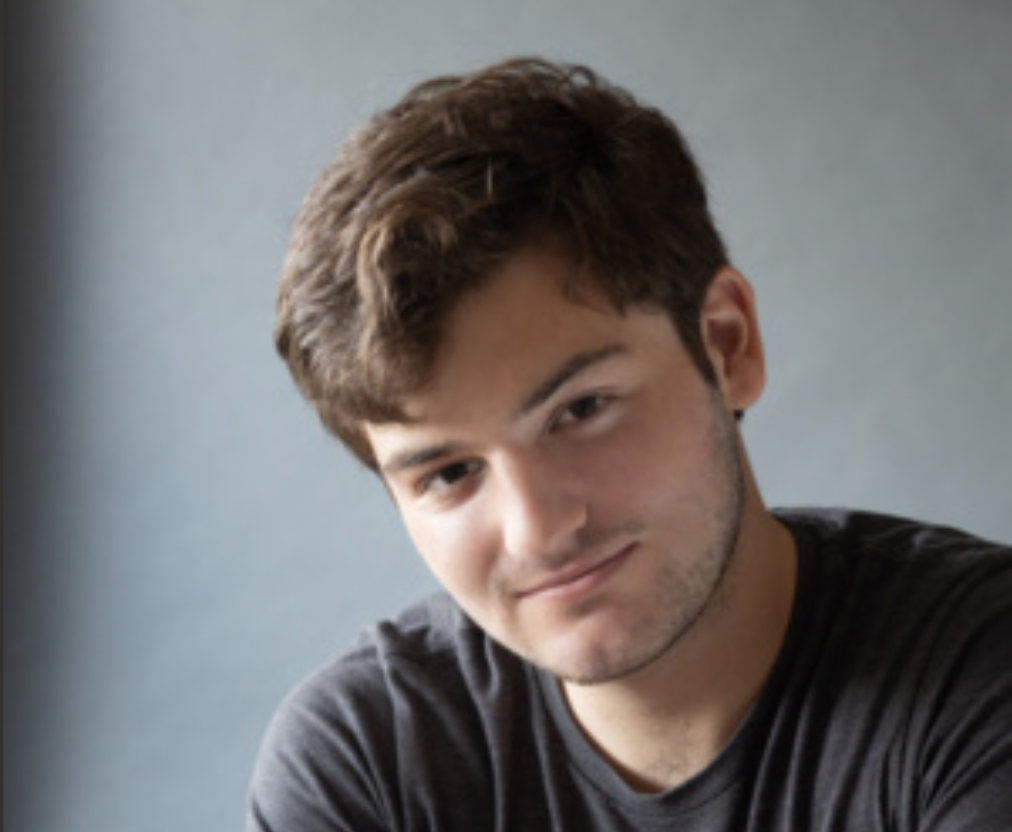
Graduating Stanford student Theo Baker has published "How to Rule the World," a comprehensive account of his four-year investigation into the university’s deep integration with the venture capital industry. The book follows Baker’s earlier reporting on scientific misconduct by former Stanford president Marc Tessier-Lavigne, which resulted in the president’s resignation and earned Baker a George Polk Award. Warner Brothers and producer Amy Pascal have optioned the rights to Baker’s story regarding the former president, highlighting the commercial interest in his findings.
Baker describes a "parallel reality" at the institution where students are identified as potential startup founders and recruited by venture capitalists, often bypassing traditional academic or career paths. The book reveals that venture capitalists employ older Stanford upperclassmen to identify freshmen as potential founders, a system kept purposefully obscure to distinguish "builders" from "wantrepreneurs." This network functions as a status symbol, with some students viewing participation as being "rule-adjacent" rather than pursuing conventional academic credit.
The investigation into Tessier-Lavigne began after Baker found comments on PubPeer regarding irregularities in papers co-authored by the president. The president never directly responded to Baker’s requests for comment during his freshman year, instead sending missives to faculty describing the reporting as false. Baker notes that one board member overseeing the university’s investigation had an $18 million investment in Denali Therapeutics, the biotech company the president co-founded, raising questions about the independence of the inquiry.
Baker reflects on the timing of his arrival at Stanford, coinciding with the collapse of FTX and the launch of ChatGPT. He notes a rapid pivot in student focus from crypto to artificial intelligence, driven by anxiety over the job market and the rise of AI. Baker observes that the current environment makes raising capital for startups easier than securing internships, a shift that has made entrepreneurship an expected path rather than a non-conformist choice.
The book also details a "secret class" at Stanford, literally titled "How to Rule the World," taught by a Silicon Valley CEO. This weekly seminar functions as a networking hub for aspiring tech elites, promising that the most brilliant students would congregate to learn secrets about ruling the world. Baker states he has fallen in love with journalism, describing it as a temperament, and plans to finish his book and graduate before considering future ventures.
