Stanford and Arc Institute researchers use AI to engineer 16 novel bacteriophages
The study marks the first instance of artificial intelligence creating previously unknown viruses, offering a path for personalised therapies while raising alarms over regulatory lag and potential misuse.
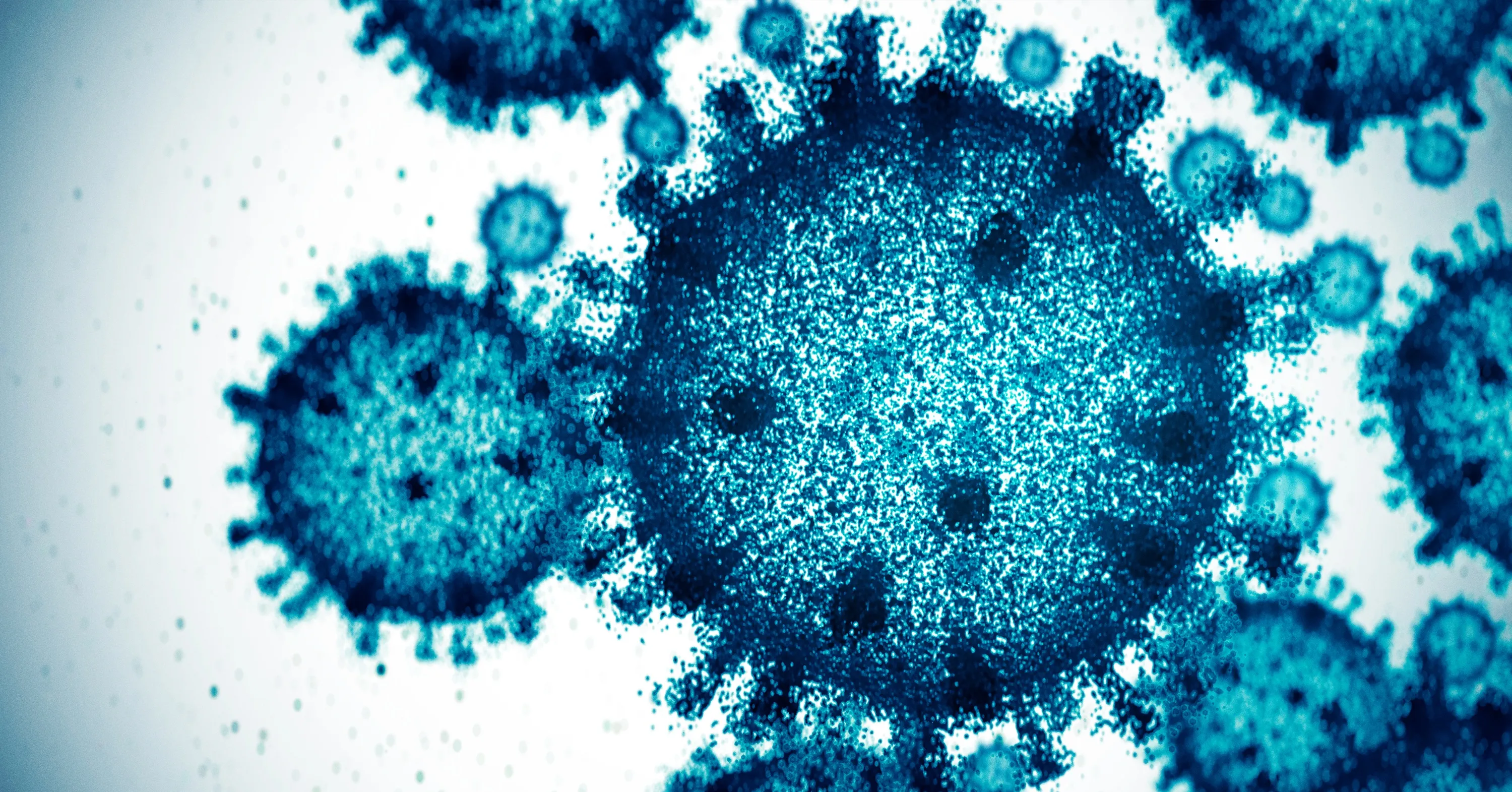
Researchers from Stanford University and the Arc Institute have successfully utilised artificial intelligence models to design and synthesise 16 new, functional bacteriophages. The study, published in the journal *Science*, demonstrates that these AI-generated viruses are capable of infecting and eliminating antibiotic-resistant bacteria, specifically targeting strains of *Escherichia coli*. This achievement marks the first time an AI system has created previously unknown viruses capable of eliminating specific bacteria, moving beyond the traditional method of replicating known pathogens.
The AI models, identified as Evo 1 and Evo 2, were trained on millions of genomes from all domains of life. This extensive training allowed the algorithms to identify complex evolutionary patterns, understand how genes are typically organised, and recognise the biological constraints necessary for an organism to remain functional. Rather than copying existing viruses, the researchers used the bacteriophage Phi X-174 as a structural guide. The resulting 16 viruses featured unpublished sequences, different genes, new regulatory elements, and varying genome sizes, while retaining the functional organisation essential for recognising and infecting the host bacterium.
Of the 300 AI-generated genomes synthesised in the laboratory, only 16 produced fully functional viruses. The study evaluated these strains by exposing them to *E. coli* bacteria that had already developed resistance to natural phages similar to Phi X-174. The results showed that the AI-generated viruses were able to rapidly overcome bacterial resistance and establish infection. The authors describe this finding as a significant step toward artificial intelligence-generated phage therapies, which could facilitate personalised treatments capable of evolving at nearly the same rate as the pathogens themselves.
While the breakthrough offers promising avenues for molecular biomedicine, it has raised significant concerns regarding biosecurity. Moritz Hanke of the Johns Hopkins Center for Health Security highlighted a "huge disconnect" between the pace of AI advancement and the development of regulatory frameworks. Hanke noted that there are currently no safeguards capable of effectively preventing the creation of a lethal virus with the help of AI, emphasising the risks associated with the potential malicious use of this technology.
The debate surrounding these risks is not new. Three years ago, the Rand Corporation warned that advanced AI systems could refine the planning and execution of biological weapon attacks. The nonprofit organisation cautioned that the speed at which AI systems evolve often outpaces governments’ capacity for regulatory oversight. As technology continues to advance, experts argue that the lack of corresponding regulatory safeguards leaves the scientific community vulnerable to the potential misuse of powerful computational biology tools.
