Spotify expands AI capabilities with voice-controlled 'Talk to Spotify' beta
The streaming giant’s latest beta tool marks a shift from generative AI features to direct user control, allowing paid members to manage libraries and access metadata through voice or text commands.
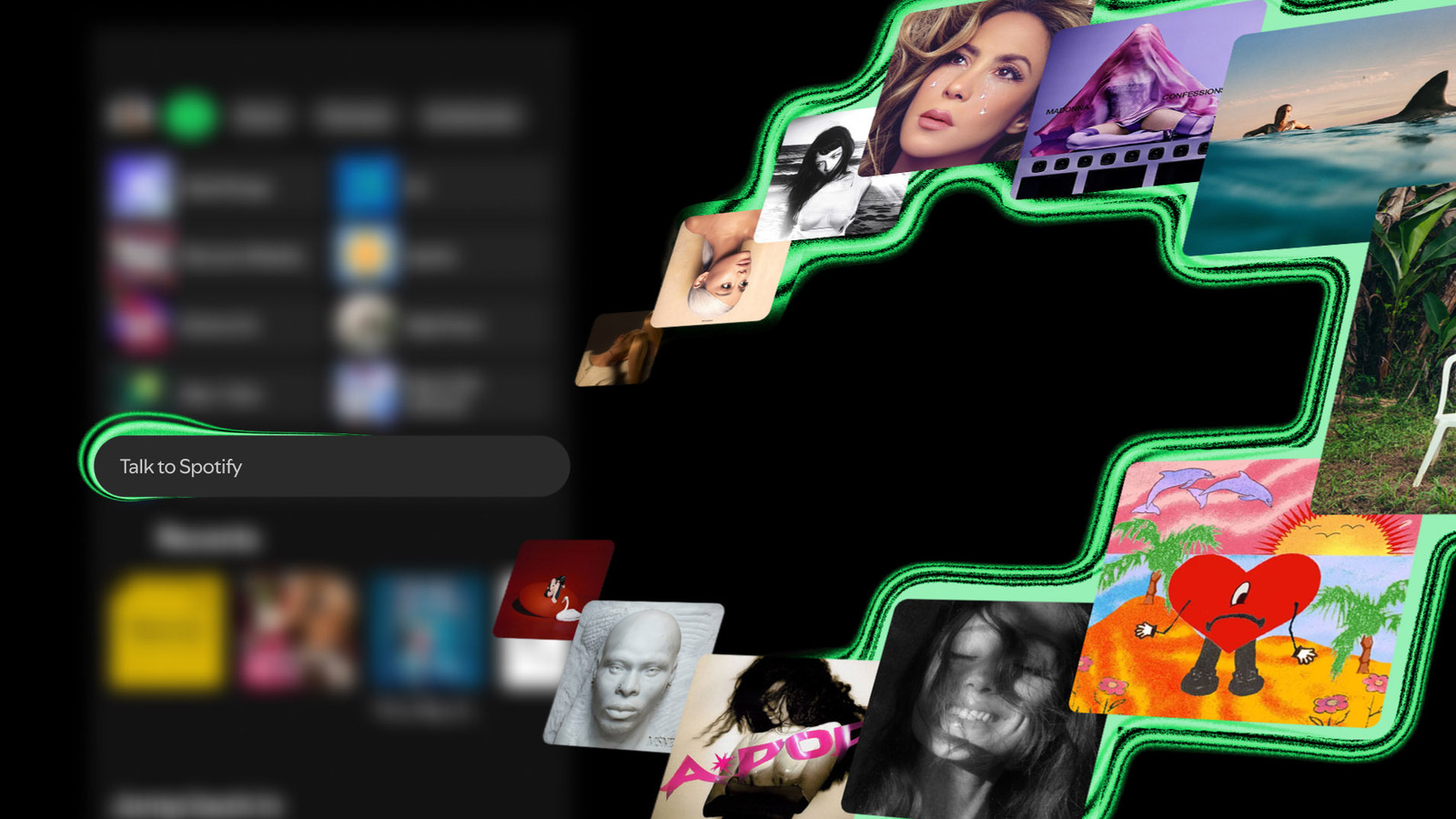
Spotify has introduced a new beta feature titled 'Talk to Spotify', enabling Premium subscribers to control the application and curate playlists using voice or text commands. The tool is currently available to users aged 18 and older in the United States, Ireland, and Sweden. It is accessible on iOS and Android mobile devices and is being rolled out gradually across these markets.
The feature operates from the 'Home' or 'Now Playing' views within the mobile application. Users can issue commands such as "play some artists I haven't heard before" and refine them with follow-up instructions like "add some Bad Bunny" or "make it more upbeat." Functionalities include saving songs, adding tracks to a queue, following artists, and exploring listening history.
Access is facilitated via a microphone button in the search field or by typing commands directly. The tool enables users to ask specific questions about songs, artists, podcasts, and audiobooks, such as album release dates, genres, or the inspiration behind specific works. For example, users can inquire about the inspiration behind Dua Lipa's *Radical Optimism* or determine when they first listened to a particular track.
Spotify has previously utilised artificial intelligence for features such as remixing and generating personal podcasts via prompts. The 'Talk to Spotify' feature represents an expansion of AI integration into direct user control and information retrieval within the app. It is distinct from existing search functions by allowing conversational, back-and-forth interactions to steer users toward related artists or stories.
The feature is available in English. The rollout is described as "gradual," so availability may vary for individual users even within the supported regions. It remains unclear if the feature will expand to other regions or languages in the immediate future, or its long-term availability as a beta tool.
