Spokane wildfires destroy 700 buildings as Washington faces record-breaking season
At least 65,000 residents have been evacuated as three wildfires ravage the region, with officials linking the severity of the disaster to a historically dry winter and changing climate patterns.
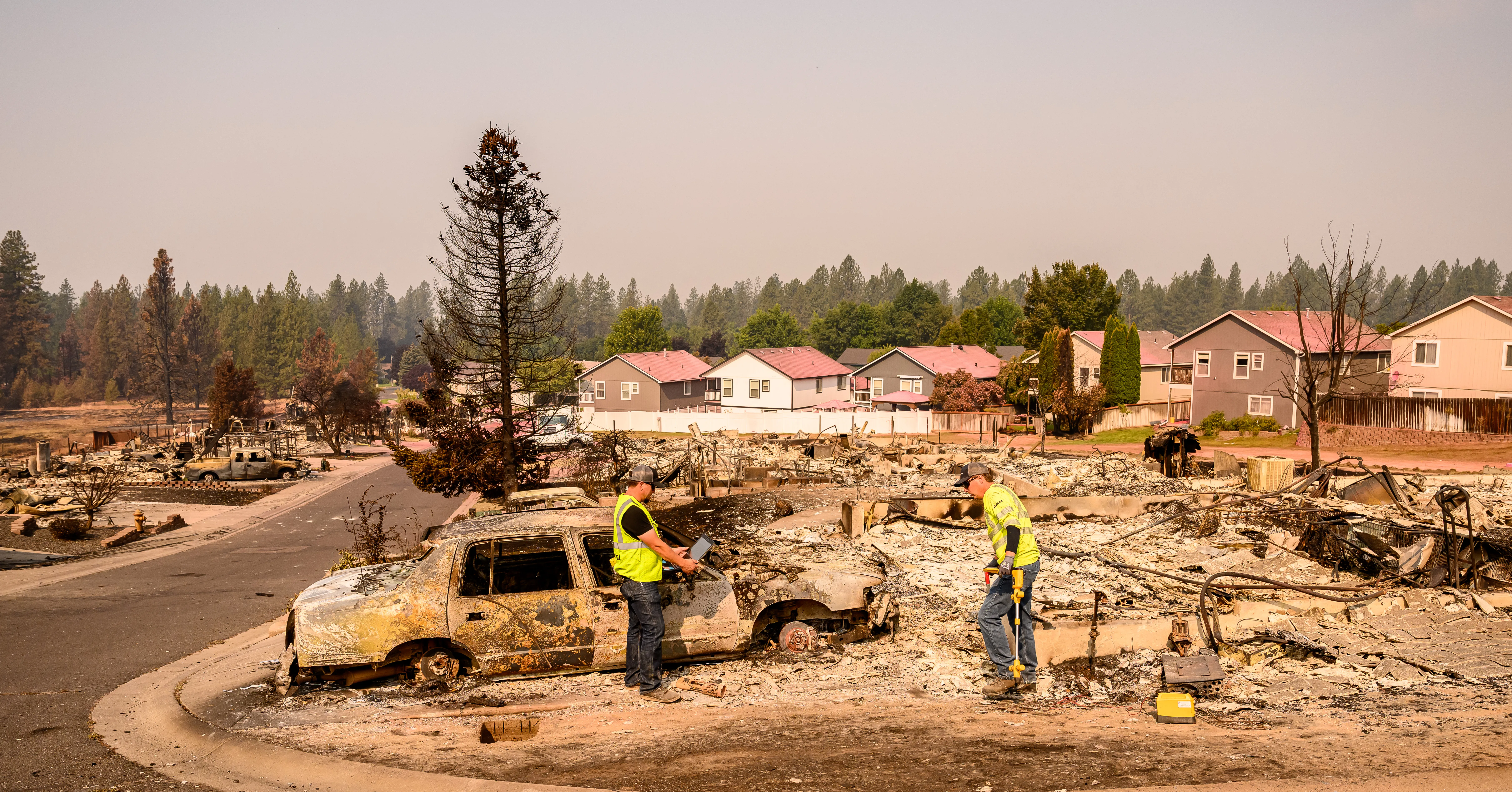
Three wildfires burning near Spokane, Washington, have destroyed more than 700 buildings and forced the evacuation of at least 65,000 residents across the state. The blaze, which began on Saturday, had reduced hundreds of structures to ash by Monday afternoon, prompting the conversion of the Spokane Convention Centre into a Red Cross emergency shelter for hundreds of evacuees, including many senior citizens and their caretakers.
Officials attribute the severity of the fires to a combination of a historically dry winter, extreme drought, and climate change, which have created ideal conditions for rapid fire spread in wildland-urban interface areas. Washington is currently experiencing its most destructive fire season on record, with more than half a million acres burned. The crisis mirrors trends seen elsewhere in the Pacific Northwest, where Oregon recently broke its annual record for acreage burned with nearly 2 million acres scorched.
The environmental precursors for this disaster were evident throughout the winter and spring. Paul Pastelok, a senior meteorologist at AccuWeather, noted that Spokane received only half of its typical snowfall this year. This reduced snowpack, combined with hot spring temperatures, caused the moisture reserve to melt early, leaving the landscape parched. Other parts of the state experienced even lower levels, with many areas reaching historic lows in precipitation.
Compounding the dry conditions, powerful winds carried embers from the Little Giant fire, a 70,000-acre blaze in central Washington, for more than three miles across Lake Chelan. Benjamin Cossel, a wildfire public information officer working with firefighting crews in Spokane, compared the situation to the Los Angeles fires in 2025, noting similar patterns of fire moving from wild areas into partially forested suburban neighbourhoods. Cossel highlighted that the urban setting also makes the smoke especially toxic, citing a study that found the Los Angeles fires exposed an estimated 3.3 million people to high concentrations of a cancer-causing toxin.
The geography of affected neighbourhoods in Spokane has complicated evacuation efforts and hindered emergency responders. Steep terrain and abundant plant life facilitated rapid fire spread, while winding cul-de-sac layouts slowed evacuations. Kitty Klitzke, a member of the Spokane City Council representing a hard-hit area, stated that many neighbourhoods have only two ways in or out, trapping residents in traffic for hours as they watched their homes burn.
Despite the extensive property damage, no fatalities or missing persons have been reported. Betsy Robertson, a communications director for the Red Cross, described the scale of destruction as a new level of devastation. She expressed concern that such seasons are likely to become more frequent, starting earlier and lasting longer.
Bob Freitag, who recently served as director of the Institute of Hazards Mitigation Research and Planning at the University of Washington, emphasised the scientific consensus on the drivers of this crisis. He stated that the fire and the conditions expected to follow make no sense without connecting the dots through a changing climate. Freitag noted that a warmer atmosphere holds more water vapour, drawing moisture from soils and vegetation and priming forests to burn.
As the situation remains volatile, with high winds forecast for the weekend, experts are urging a serious approach to climate change and land management. Ryan Rodruck, a communications manager at the Washington Department of Natural Resources, called the situation extremely tragic. Meanwhile, Cossel pointed out that while defensible space measures can reduce risk, the cultural desire to live among vegetation conflicts with the reality of increasingly frequent and intense wildfires.
