Spirit Airlines Ceases Operations Amidst Bankruptcy and Geopolitical Fuel Crisis
Following years of financial losses and a failed merger with JetBlue, the airline's final shutdown was triggered by a surge in aviation fuel costs driven by the Iran War and the Strait of Hormuz crisis.
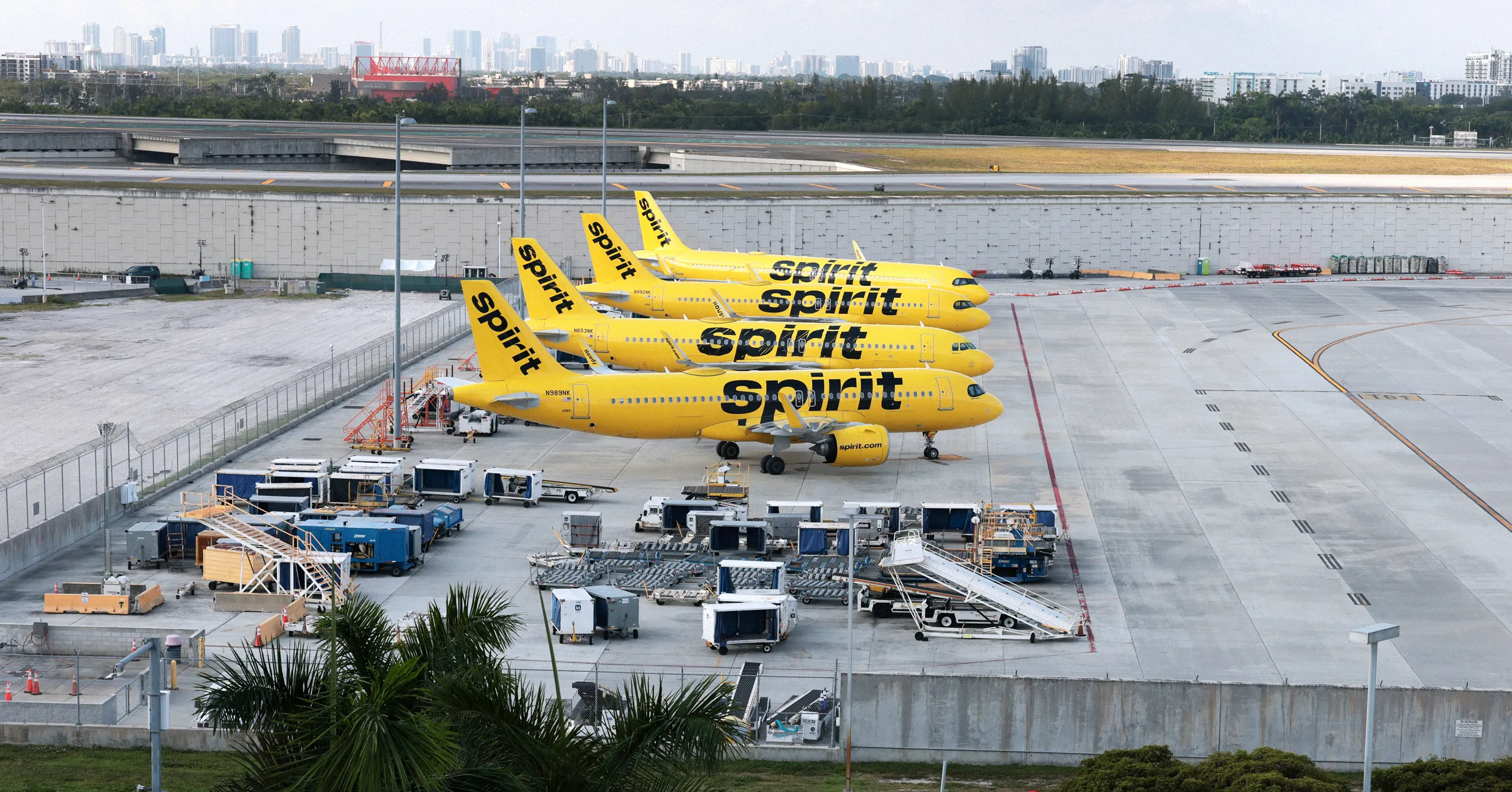
Spirit Airlines has announced the immediate cessation of all business operations, resulting in the cancellation of every scheduled flight and the shuttering of its customer service lines without prior warning. This sudden implosion follows a prolonged trajectory of financial losses dating back to 2019, alongside two previous bankruptcy filings in early 2024 and summer 2025. The airline's final attempt to survive, a proposed merger with JetBlue, was blocked by the US Department of Justice in 2022 on grounds that the deal would increase fares for consumers.
While the company has been in a state of decline for years, the final catalyst for its collapse was identified as a massive surge in aviation fuel prices driven by geopolitical instability. Specifically, the ongoing Iran War and the crisis in the Strait of Hormuz have increased operating costs by more than 25 per cent, a figure that alone accounts for a significant portion of an airline's overhead. In a recent court filing, Spirit's lawyers stated that these recent geopolitical events have resulted in a sustained increase in fuel prices, leaving no viable path for restructuring or continued operations.
The human cost of the shutdown is severe, with approximately 17,000 employees affected by the announcement. A bankruptcy filing proposes retaining only 40 of these workers after a three-month wind-down period, meaning the vast majority will lose their jobs. The airline's fleet of 131 Airbus A320s will also be liquidated; 82 leased aircraft will be returned to their lessors, while the 49 planes owned by the airline will be sold off.
For stranded passengers, Spirit is automatically refunding fares for direct bookings, though those who purchased tickets through third-party sites are advised to contact those businesses directly. In response to the crisis, major carriers including United, Delta, JetBlue, Southwest, American, and Allegiant have introduced specific measures to assist affected flyers. These measures range from capped ticket prices and reduced fares on high-volume Spirit routes to fare freezes on overlapping routes. Frontier Airlines has also offered up to 50 per cent off its base fares for former Spirit passengers for a limited period.
Industry experts warn that the loss of Spirit will reduce competition in the market, potentially leading to a 15 to 20 per cent increase in ticket prices for remaining routes in the medium term. With fewer airlines competing for seats and fuel costs remaining elevated, the prognosis for cheap fares in the US is less pleasant. The capacity lost by Spirit is expected to be filled by other carriers, but the incentive to lower prices will diminish as airlines rush to fill the newly opened flight slots and routes.