OpenAI Co-Founder Greg Brockman Testifies on $30 Billion Stake in Musk v. Altman Trial
During the Musk v. Altman trial, Brockman defended his financial interests while asserting his mission remains secondary to OpenAI's goals, as Judge Yvonne Gonzalez Rogers rules on admissibility of threatening messages.
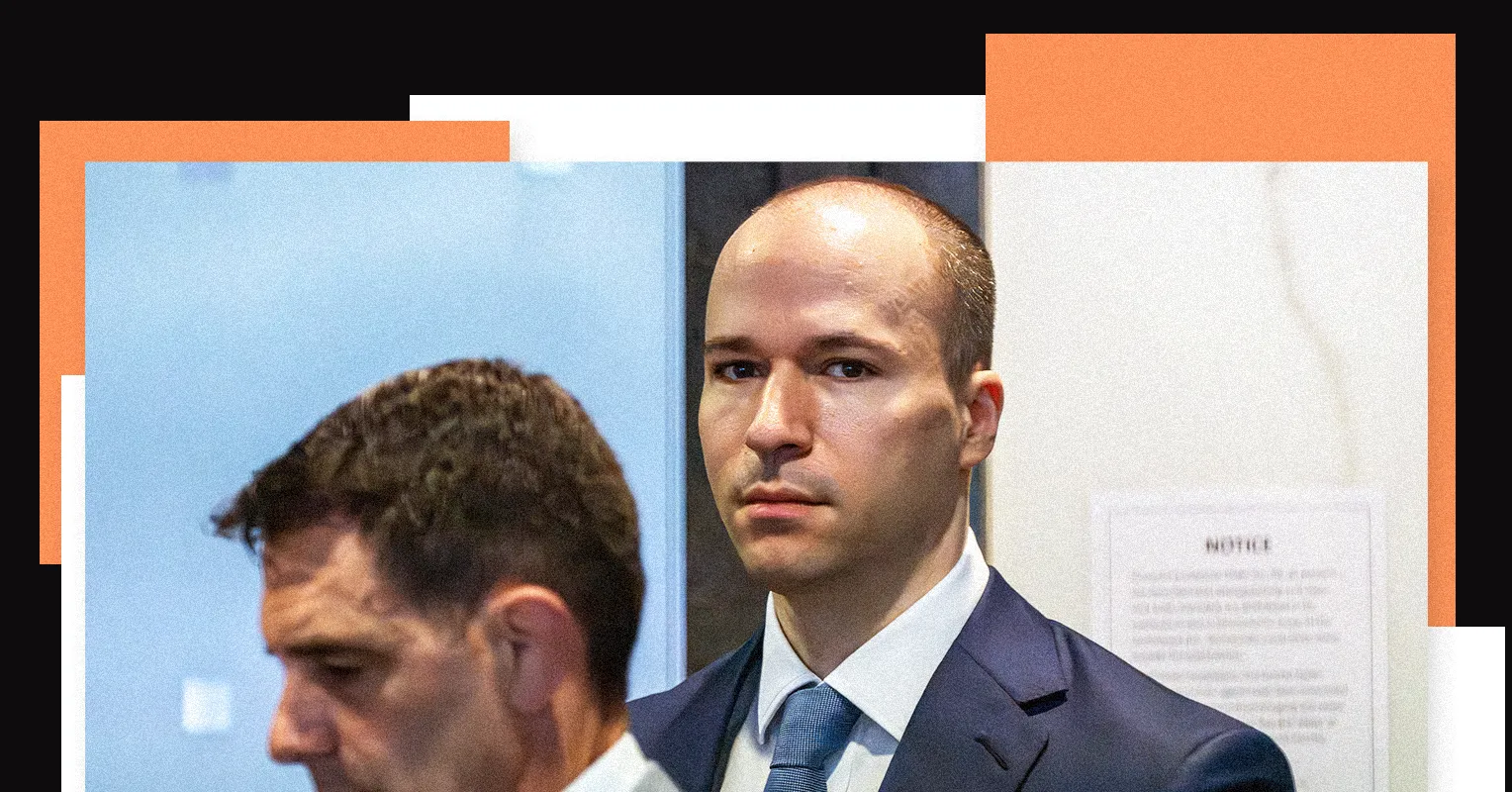
Greg Brockman, co-founder and president of OpenAI, appeared in federal court on Monday to testify regarding his substantial equity stake in the organisation. During the Musk v. Altman trial, Brockman revealed that his personal ownership is currently valued at over $20 billion, with potential value reaching up to $30 billion should the company proceed with an initial public offering within the next two years. He addressed the core allegations from Elon Musk's legal team, defending his financial position against claims that he and Sam Altman had exploited the organisation's original nonprofit structure.
Brockman stated that his financial interests remain secondary to OpenAI's mission, noting that the OpenAI Foundation holds a stake worth over $150 billion. This holding represents approximately five times his own ownership interest. He clarified that while he initially promised to donate $100,000 to OpenAI upon its founding, he never followed through on that specific pledge. The testimony highlighted the vast disparity between his personal stake and the foundation's holdings, with employees collectively holding about 25 per cent of shares.
The hearing also brought to light Brockman's past investment in Sam Altman's family office. He disclosed that he was initially paid with a $10 million stake in the family office, a fact he confirmed was disclosed to Elon Musk in 2017 after the entrepreneur inquired. Furthermore, Brockman admitted to donating millions to super PACs promoting artificial intelligence and President Donald Trump over the past year. He linked this increased political spending directly to OpenAI's founding mission of creating artificial general intelligence that benefits all of humanity.
Musk's attorney, Steven Molo, pressed Brockman on whether his accumulation of wealth and failure to donate the initial $100,000 rendered him morally bankrupt. Brockman responded that he and others had poured significant effort into building the company since Musk departed. He argued that OpenAI's nonprofit mission had provided the organisation with a moral high ground over competitors like Google DeepMind. Brockman maintained his allegiance to Altman and the organisation's goals, despite investing in companies such as Cerebras, CoreWeave, and Helion Energy that have signed major partnerships with OpenAI.
In a separate procedural matter, a message from Elon Musk threatening to make Brockman and Altman the most hated men in America was made public by OpenAI's lawyers. However, Judge Yvonne Gonzalez Rogers subsequently ruled the message inadmissible, preventing the jury from hearing it. The judge's decision underscores the ongoing legal battle over the admissibility of evidence intended to influence the trial's outcome.
As the proceedings continue, Brockman's wife, Anna, sat behind Altman during the testimony, while the CEO observed from the public gallery. The hearing concluded with expectations of further cross-examination by Musk's legal team before potential testimony from Musk confidante Shivon Zilis. Brockman's defence emphasised that his actions were driven by a commitment to the organisation's long-term objectives rather than personal enrichment.
