Spiegelman calls for US counter-revolution as fascism takes root
In a wide-ranging interview with The Guardian Culture marking the 25th anniversary of the attacks, Art Spiegelman describes the Trump administration as fascist and notes a spike in sales of his Holocaust graphic novel, Maus, following school board bans.
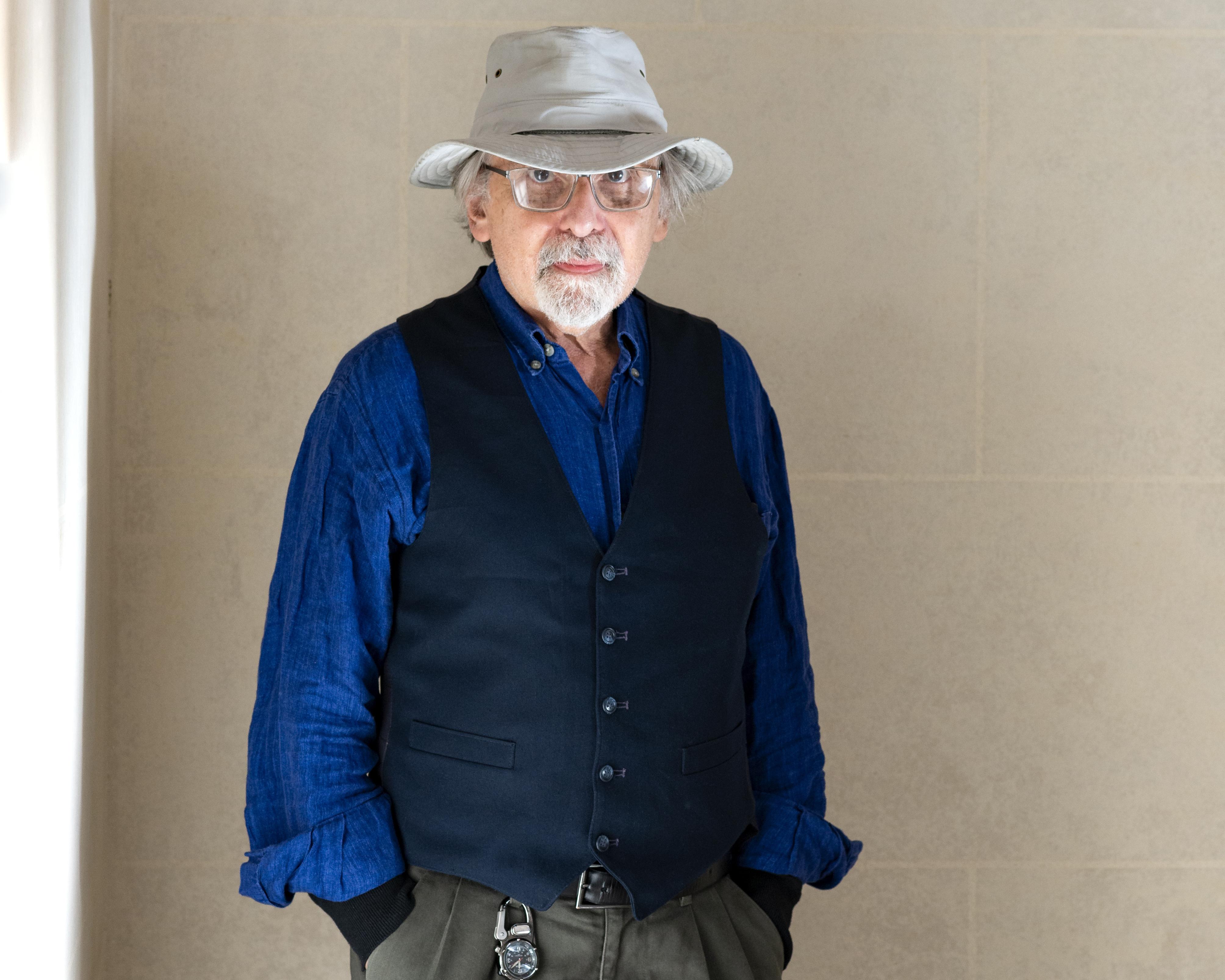
Art Spiegelman, the 78-year-old cartoonist and creator of the Pulitzer Prize-winning graphic novel Maus, has characterised the current US political climate under the Trump administration as fascist. In an interview marking the 25th anniversary of the 9/11 attacks, Spiegelman argued that the United States requires a counter-revolution to address the dismantling of democratic ideals and civil liberties. He linked current political excesses to the security crackdowns implemented in the wake of 9/11, describing the present president as engaging in illegal enrichment and suppressing dissent.
Spiegelman expressed pessimism regarding the political landscape, criticising the timidity of the Democratic Party and comparing Republican complicity to organised crime syndicates. He stated that the president is cutting off civil liberties and squelching dissent in thoroughly illegal ways, noting that the post-9/11 security infrastructure laid the groundwork for these current excesses. The artist observed that the administration follows a template of othering similar to the themes in Maus, where Jews are depicted as mice and Nazis as cats.
The interview coincides with a surge in interest in Spiegelman’s work, as sales of Maus have spiked in response to bans by Republican school boards. Despite his pessimism about the political situation, Spiegelman noted that he maintains a predilection for producing art that people seek to ban. He reflected on his career, from the early days of printing oddball comics in his Soho apartment to becoming a New York art establishment power couple with Françoise Mouly, the art editor of the New Yorker.
Spiegelman also addressed the reissue of his 9/11-related book, In the Shadow of No Towers, which has been delayed due to a shipment held up in the Strait of Hormuz. He remarked that he no longer views 9/11 as an end-of-the-world moment, calling it a small big deal compared to the current political climate. He suggested that the US’s volatile politics might reflect a natural human tendency toward self-destruction, exacerbated by what he described as a megalomaniacal presidency.
Looking forward, the artist plans to continue working on a lithograph and hopes to remain in his Soho apartment, although he acknowledges the challenges of aging. He conceded that he feels more forgetful at 78 than he did in his youth but takes consolation in his ability to still produce challenging and original art. Spiegelman concluded that while the media struggle to convey the stakes in a post-truth era, the need for a counter-revolution remains urgent as democratic norms are further eroded.