SPAN pilots distributed AI compute nodes in US homes
The San Francisco firm plans a 100-home trial this year, targeting inference workloads while offering residents subsidised power and internet access
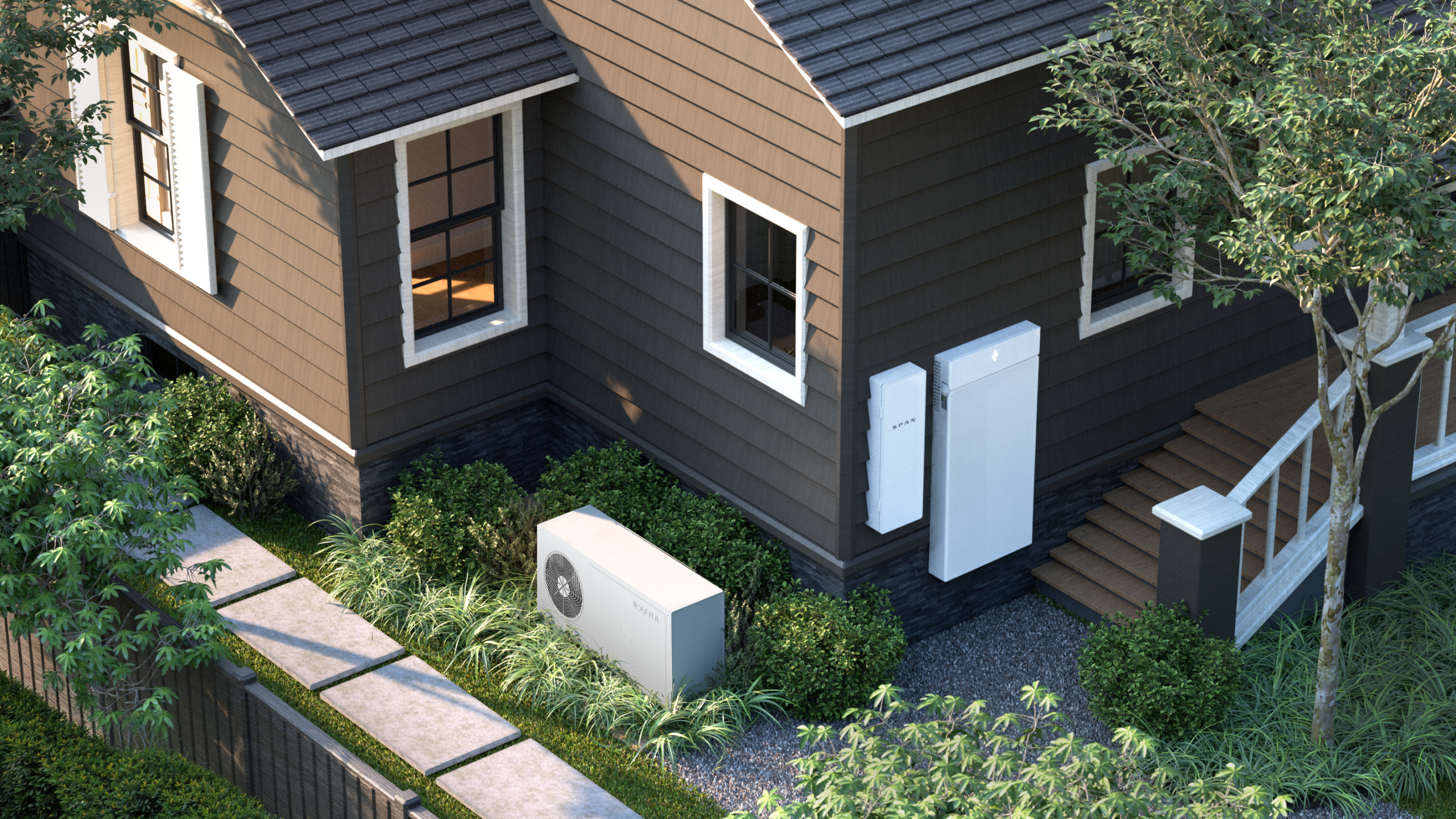
San Francisco startup SPAN is piloting a plan to install mini data centre nodes in new US homes to expand artificial intelligence compute capacity. The initiative, which the company describes as a distributed data centre solution, aims to harness excess household power to support AI inference workloads such as cloud gaming and content streaming. This approach seeks to bypass the land use, water consumption, and community opposition often associated with traditional warehouse-sized facilities.
The system utilises liquid-cooled Nvidia RTX Pro 6000 Blackwell Server Edition GPUs housed within XFRA nodes. Chris Lander, vice president of XFRA at SPAN, stated that the installations are designed to be quiet and discreet, contrasting with the noise and visual impact of centralised sites. Each node is engineered to operate as an always-on load, drawing approximately 80 amps from the standard 200-amp electrical service capacity found in modern US homes.
In exchange for hosting the equipment, residents receive subsidised electricity, internet access, and backup batteries. SPAN intends to cover electricity and internet bills for participating households, potentially offering a flat utility fee of around $150 or no fee at all. The hardware is paired with a wall-mounted smart panel and a 16 kilowatt-hour battery to manage energy consumption and provide backup power during outages.
SPAN has announced that a 100-home trial run is scheduled for this year, with plans to scale the network to 80,000 nodes across the United States starting in 2027. The company claims it could install 8,000 units at a cost five times lower than building a typical 100-megawatt data centre with equivalent compute capacity. This distributed model targets inference tasks rather than the intensive model training that remains the domain of hyperscalers like Google and Microsoft.
Experts note that while distributing computation to the edge makes sense for inference, security concerns remain. Benjamin Lee, a computer architect at the University of Pennsylvania, highlighted that distributed GPUs in individual homes are more vulnerable to side-channel attacks and physical theft compared to centralised facilities, noting that individual Nvidia GPUs can sell for around $10,000 each.
Utility companies and grid operators are also watching the development closely. Ari Peskoe, director of the Electricity Law Initiative at Harvard Law School, suggested that utility firms may need to adapt local grid management for neighbourhoods where multiple nodes are embedded. Despite these challenges, SPAN argues that its network could make electricity more affordable for the community by increasing sales over existing grid infrastructure without requiring costly upgrades.
