Spain bets on Chinese labour for $4.7bn battery plant, defying US protectionism
While Washington imposes 100% tariffs on Chinese electric vehicles, Spain is facilitating Chinese workforce entry to secure its position as Europe’s second-largest vehicle producer, a strategy that contrasts sharply with the American approach to global auto competition.
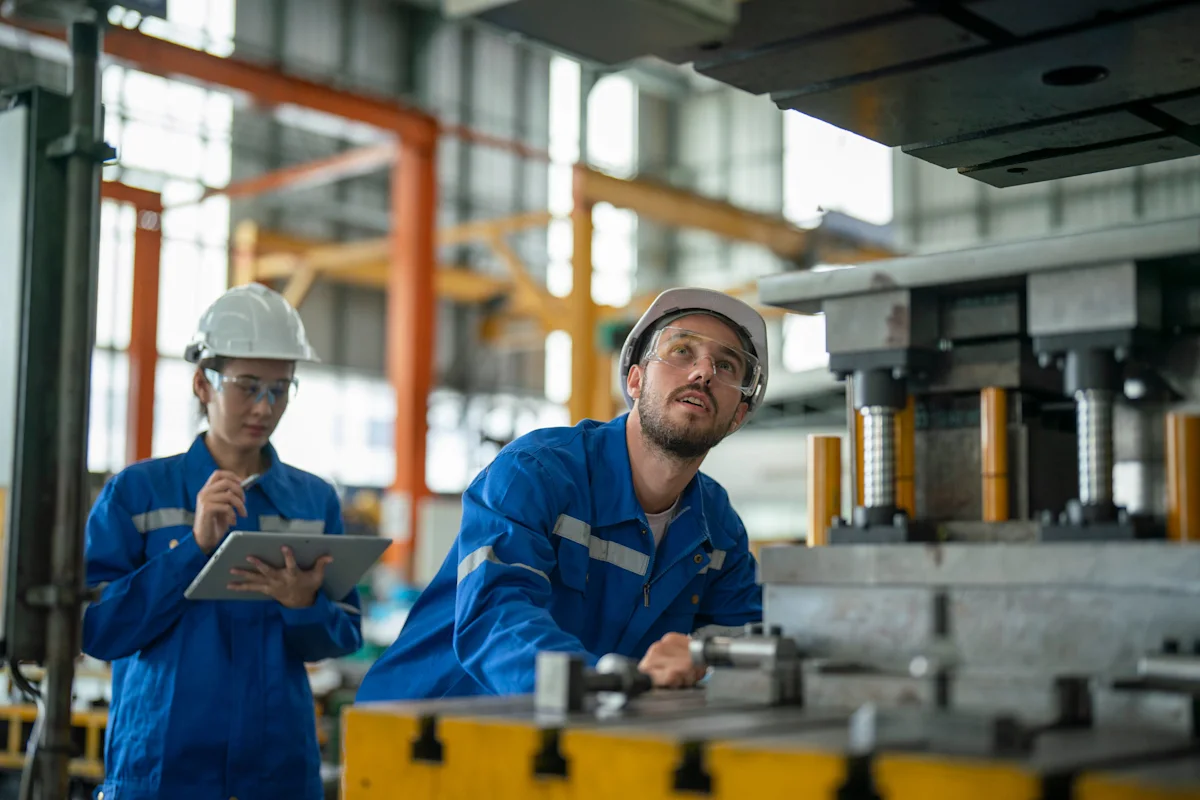
Spain has approved the use of expatriate Chinese workers at a new 4.1 billion euro ($4.7 billion) battery manufacturing facility in Zaragoza, marking a stark divergence from United States trade policy. The plant, a joint venture between Stellantis and CATL, is scheduled to rely on Chinese labour through the fourth quarter of 2028. This decision underscores Madrid’s strategy to secure technology transfer and maintain its status as Europe’s second-largest vehicle producer, rather than shielding domestic industries from foreign competition.
The approval comes as Chinese brands accounted for approximately 6% of European Union car registrations between January and April 2026, up from 3.2% the previous year. This surge in market share coincides with battery-electric cars reaching 20% of the EU market in May 2026. Spanish officials argue that allowing Chinese manufacturers to build locally is preferable to erecting trade barriers, aiming to capture value within the country’s borders rather than losing it to imports.
In contrast, the United States has adopted a protectionist stance, imposing a 100% import duty on Chinese electric vehicles effective September 2024. Additional Commerce Department rules bar Chinese-linked vehicle software starting with model year 2027 cars and connectivity hardware from model year 2030. The practical result is that almost no Chinese passenger car reaches American dealerships, a policy Ford chief executive Jim Farley has described as creating a “wild card” for established automakers who compete globally.
The Zaragoza facility is the largest of several Chinese-linked investments in Spain. The Stellantis and CATL plant will create more than 4,000 direct jobs. Other joint ventures include Chery’s partnership with Ebro Motors, which accounts for roughly 1,600 positions, and BAIC’s tie-up with Santana Motors, adding about 210 jobs. These projects reflect Madrid’s determination to keep its factories running, a sector that accounts for roughly 10% of Spanish gross domestic product and 9% of national employment.
However, the Spanish government report obtained by Bloomberg reveals that while jobs are secured in writing, technology transfer commitments lack specific timelines. The document describes a gradual process for supplier localization and knowledge transfer without firm dates. This ambiguity presents a key risk for investors, as the long-term value of the investment depends on whether Spanish suppliers move from assembling imported kits to manufacturing real content and whether the European Commission’s tightening scrutiny of Chinese investment overrides Madrid’s engagement strategy.