SpaceX’s $75 Billion Nasdaq Debut Highlights Governance Friction and ‘Extreme Ownership’ Model
The rocket manufacturer’s listing on the Nasdaq sets a new benchmark for initial public offerings, yet draws criticism from public pension funds and analysts regarding the concentration of power and lack of shareholder oversight.
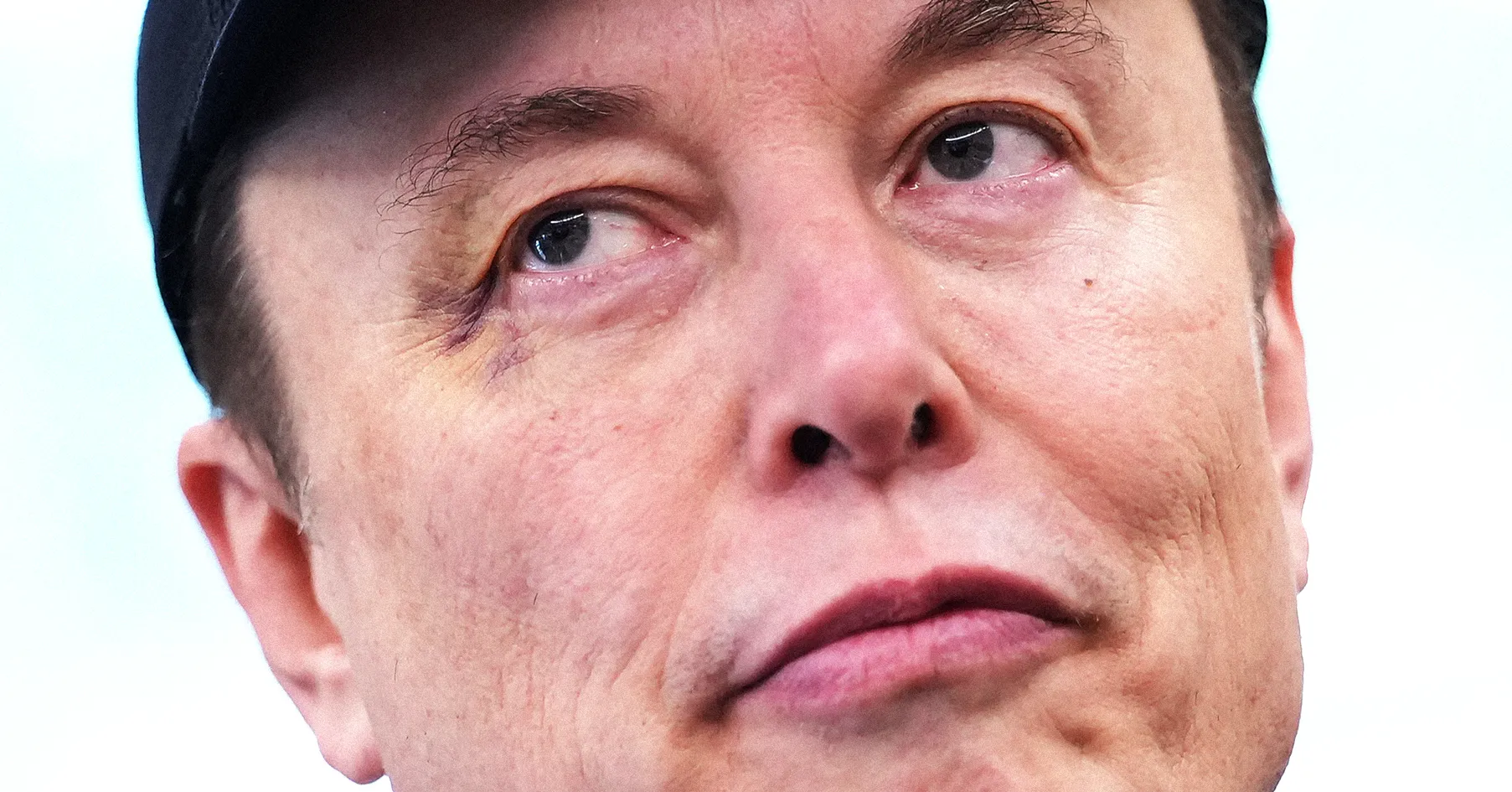
SpaceX has officially listed on the Nasdaq stock exchange, raising $75 billion in an initial public offering that stands as the largest haul in market history. The transaction, which nearly triples the previous record, reflects strong investor appetite for the company’s near-term ambitions, including the construction of data centres in space, and its long-term objective of establishing a permanent human settlement on Mars. However, the debut has simultaneously triggered significant debate regarding corporate governance, particularly concerning CEO Elon Musk’s retention of 85.1 per cent of voting power and his unilateral authority to remove himself from the chief executive role.
The governance structure has drawn sharp criticism from major public pension funds and institutional investors, who argued that the provisions strip shareholders of meaningful oversight. Despite pressure from the country’s largest public pension funds to surrender some control prior to the listing, Musk retained his dominant voting stake. Rob Lalka, a business professor at Tulane University and author of The Venture Alchemists: How Big Tech Turned Profits Into Power, characterised the concentration of power as a departure from free market principles, suggesting the structure prioritises founder control over the will of public markets.
SpaceX attributes its operational dominance to a corporate ethos described as “extreme ownership,” a culture embedded in job postings that requires engineers to demonstrate responsibility from concept to delivery. This model grants employees significant autonomy and accountability, a practice that former staff attribute to the company’s early decision to offer equity stakes, fostering a sense of investment not commonly found in traditional aerospace firms. Laura Crabtree, CEO of manufacturing software developer Epsilon3 and a former SpaceX employee, noted that this approach allows experts to make decisions without micromanagement, creating an environment where staff are given trust and the chance to prove it rather than having to gain it.
The “extreme ownership” philosophy has also contributed to a diaspora of aerospace startups founded by former SpaceX personnel. Tom Mueller, the company’s first employee and now CEO of Impulse, described the role of the “responsible engineer” as one who owns failures and collaborates to find solutions. Other notable ventures emerging from this network include Xona Space Systems, led by former engineer Brian Manning, and Epsilon3. These companies continue to emulate SpaceX’s values of responsibility and ambition, hiring staff who are expected to have accountability for their work.
Despite the financial milestone, SpaceX faces substantial operational and financial headwinds. The acquisition of Musk’s AI research lab, xAI, has reportedly rendered the overall company unprofitable. Furthermore, the company is grappling with technical challenges in developing a more powerful rocket required for Mars missions, which it has yet to operate reliably. As the company navigates potential regulatory pressures and increasing competition, the “extreme ownership” model means that any operational setbacks will likely fall squarely on Musk’s shoulders, given his centralised decision-making authority.
