SpaceX valuation faces scrutiny as FT questions financial foundations ahead of IPO
A Financial Times report published on 4 June 2026 casts doubt on the clarity of SpaceX’s post-IPO financial strategy, suggesting the spaceflight firm’s worth relies on narrative rather than obvious fiscal plans.
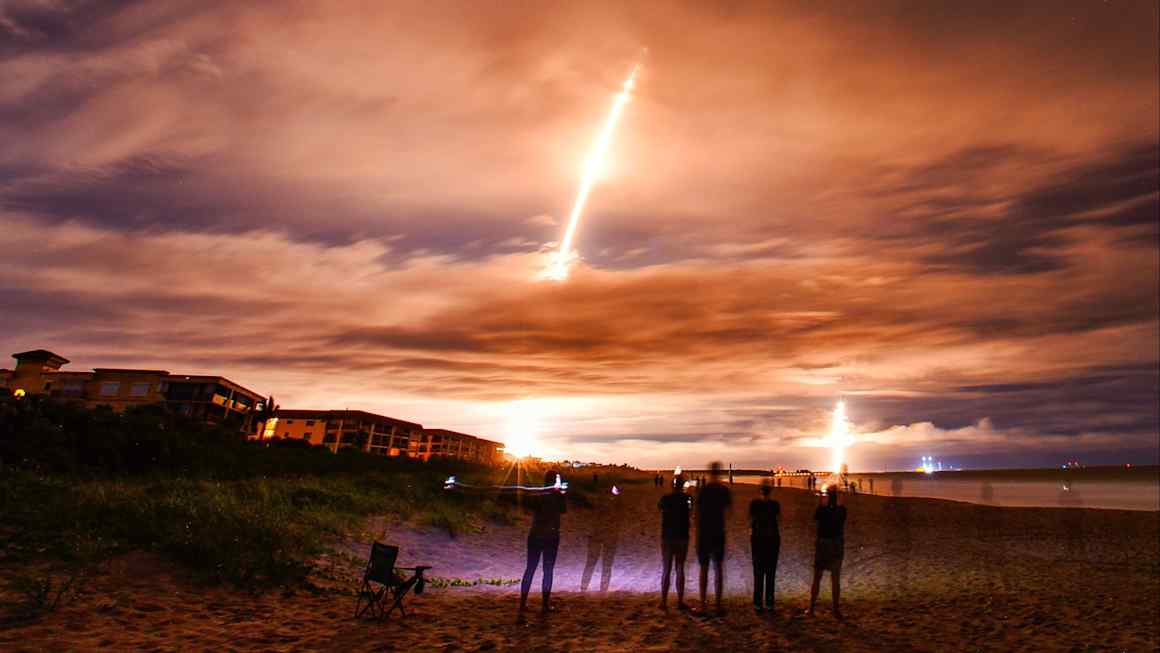
A Financial Times article published on 4 June 2026 has questioned the financial justification for SpaceX’s significant valuation following its initial public offering. The publication characterises the support for the company’s worth as relying heavily on "mythmaking" rather than clear financial plans, noting that the specific mechanisms by which the firm intends to support its gargantuan valuation are not obvious.
This critical perspective contrasts with projections released by Goldman Sachs, which have provided a numerical foundation for the company’s target valuation of $1.78 trillion. The Wall Street bank’s analysis forecasts that SpaceX’s artificial intelligence revenue could increase 100-fold by 2030, a model intended to underpin the valuation currently being pitched to potential investors.
The divergence between the bank’s optimistic financial models and the FT’s sceptical narrative highlights uncertainties surrounding the spaceflight group’s path to profitability. While Goldman Sachs offers a structured forecast to support the IPO target, the FT article suggests that the justification for such a high market capitalisation remains unclear to observers.
The debate over SpaceX’s valuation occurs against a backdrop of broader market activity and high-level geopolitical engagement. US stock markets rose on Thursday as the Beijing summit began, with the Dow Jones Industrial Average gaining 0.8%, the S&P 500 rising 0.3%, and the Nasdaq Composite climbing 0.2%.
Amidst this market movement, Nvidia shares surged more than 2% following US approval for a chip sale. Meanwhile, US President Donald Trump is attending a summit in Beijing with Chinese President Xi Jinping, accompanied by a delegation of major technology executives including Elon Musk, with the agenda covering trade, artificial intelligence, and the Strait of Hormuz.