SpaceX Terafab to rely on natural gas, sidelining Tesla solar partnership
The $16.8 billion initial phase of the Grimes County fab will be supported by SpaceX’s own gas turbines and large battery arrays, diverging from expectations set by its partnership with Tesla.
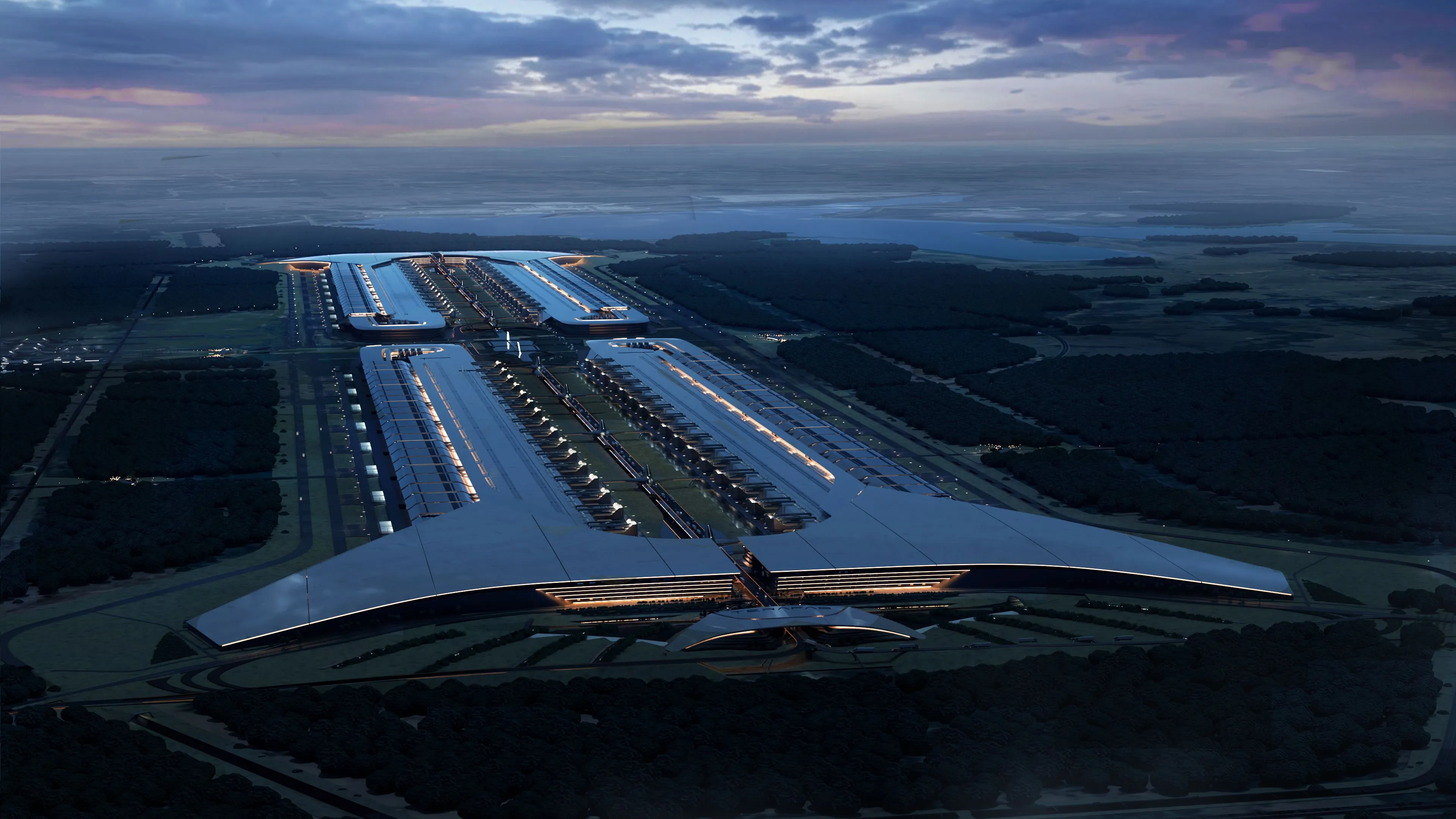
SpaceX has confirmed that its new Terafab semiconductor facility in Grimes County, Texas, will be powered by natural gas power plants and large battery arrays, rather than terrestrial solar panels. The decision marks a significant operational detail for the $16.8 billion initial phase of the project, which aims to produce chips for SpaceX and its xAI subsidiary’s data centres. Riley Trettel, who leads energy and data centre development for SpaceX, stated in a public meeting on Wednesday that the company will “bring our own power” for the project.
The reliance on natural gas is notable given that Tesla, a major solar developer, is a partner in the Terafab project. A Bloomberg report detailing the energy strategy omitted any mention of terrestrial solar power, despite the company’s public association with renewable energy solutions. This shift aligns with recent moves by CEO Elon Musk, who has increased investments in natural gas infrastructure, including the acquisition of a company specialising in natural gas power plants and the operation of xAI data centres in Memphis that run almost exclusively on the fossil fuel.
To support the facility’s energy needs, SpaceX plans to purchase $2.8 billion worth of gas turbines over the next three years. The initial phase cost estimate of $16.8 billion is significantly lower than SpaceX’s previous projection of $55 billion for the entire fab. The facility is located in Grimes County, approximately 45 miles northwest of downtown Houston, and is designed to manufacture chips for the growing demand in artificial intelligence and data processing.
The project has received substantial financial incentives from local and state authorities. Grimes County granted SpaceX a 100% tax abatement in exchange for spending at least $5 billion by 2030 and creating at least 1,800 full-time jobs by 2035. Additionally, the state of Texas is providing an extra $30 million in incentives for the development. These measures come as Texas becomes a central hub for “bring your own power” data centres, with more than 70 gigawatts of capacity currently charted out to meet the surge in AI infrastructure demand.
The move to natural gas also highlights broader industry trends and associated risks. The AI data centre boom has driven a 66% increase in costs for natural gas power plants, as major tech firms including Google, Meta, and Microsoft announce massive projects. While such schemes aim to accelerate development and address rising electricity prices, they raise environmental concerns. SpaceX’s subsidiary xAI has previously faced legal challenges regarding the use of unpermitted natural gas turbines in highly polluted regions, underscoring the regulatory and environmental complexities of this energy strategy.
The announcement follows SpaceX’s recent debut on the Nasdaq in June 2026. The initial public offering raised approximately $75 billion, valuing the company at around $1.77 trillion and making Elon Musk the world’s first trillionaire on paper. The stock rose 27% to $172 in early trading before settling, coinciding with modest gains in US equity markets. The Terafab project represents a major capital allocation for the newly public company as it integrates its aerospace, automotive, and artificial intelligence ventures.
