SpaceX shifts operational focus to California as Falcon 9 cadence declines at Florida sites
SpaceX is reducing the launch frequency of its Falcon 9 rocket to prioritise the development and deployment of the Starship system.
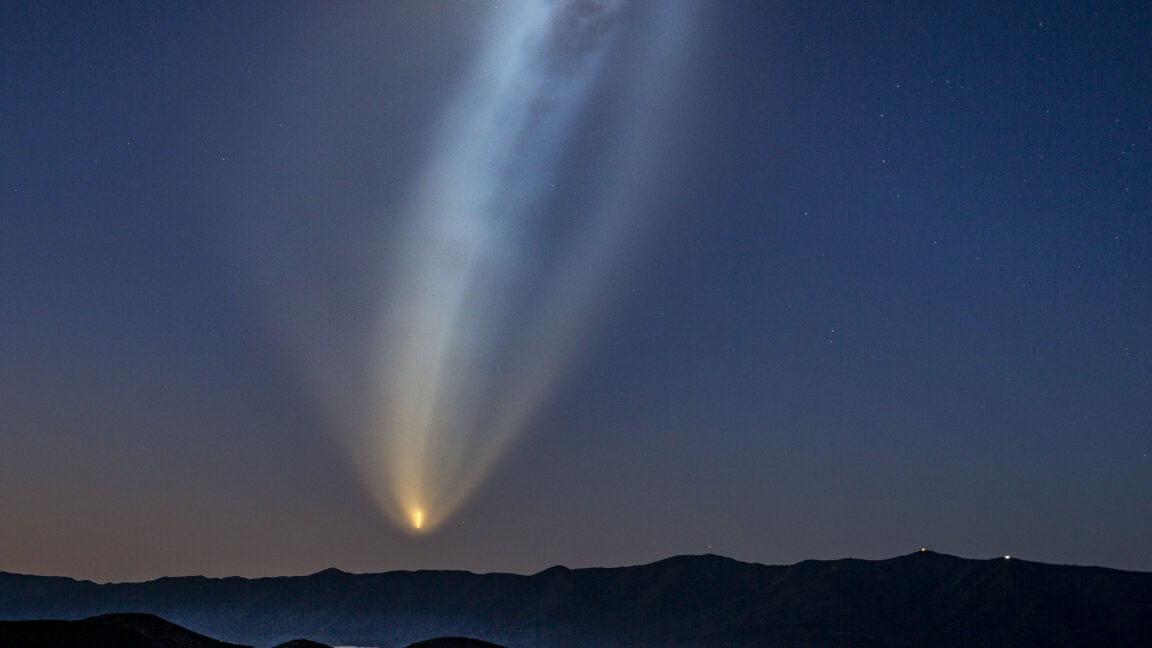
SpaceX is actively reducing the launch cadence of its Falcon 9 rocket at Cape Canaveral to prioritise the development and deployment of the Starship system. As a direct result of this strategic pivot, Vandenberg Space Force Base in California is projected to become the company's busiest launch site this year, potentially surpassing Florida's Space Coast in total launch volume.
While the Falcon 9 will remain operational to support the International Space Station and Space Force missions through the 2030s, the majority of future Starlink launches and Starship preparations will originate from California. The shift represents a significant reversal of historical trends where Florida has traditionally dominated launch activity for the company.
Activity at Launch Complex-39A at Kennedy Space Center is transitioning primarily for Falcon Heavy and Starship missions, effectively removing it from regular Falcon 9 rotation. Concurrently, one of SpaceX's two Florida-based seagoing landing platforms has been retired from active recovery duty to be repurposed as a transporter for moving Starship boosters from South Texas to Florida.
The changes are most apparent at Cape Canaveral, where activity is expected to average approximately one launch per week, down from the higher frequencies seen in previous years. In contrast, the majority of SpaceX's Starlink missions are now departing from Vandenberg, where the launch pad allows for a cadence of every three or four days.
More than half of all SpaceX launches so far this year have originated from Vandenberg, up from less than 40 per cent last year and one-third in 2024. This trend puts the California spaceport on pace to become SpaceX's busiest launch site, a remarkable turnaround for a facility that hosted just a single launch in 2020.
SpaceX President Gwynne Shotwell has indicated that while Falcon 9 launches will remain high this year, the company plans to tail off launches as Starship comes online, with estimates for 2026 ranging between 140 and 145 Falcon launches. The overall trend points upward for California, with Vandenberg potentially overtaking Florida's Space Coast depending on how often other companies like Blue Origin fly their rockets.
