SpaceX sets new consecutive booster landing record as commercial launch sector sees mixed fortunes
A routine Starlink mission from Vandenberg Space Force Base sees the Falcon 9 achieve 268 consecutive successful landings, a milestone cited as building confidence for future human-rating goals.
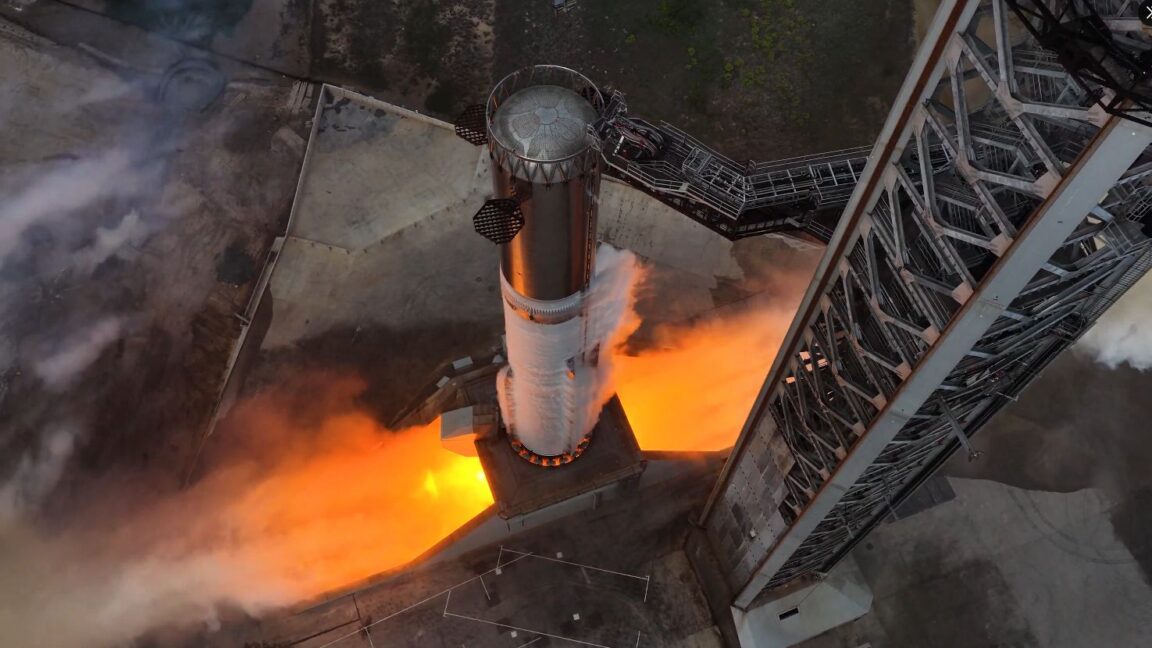
SpaceX has established a new industry benchmark with 268 consecutive successful Falcon 9 booster landings, a milestone achieved following a routine Starlink mission from Vandenberg Space Force Base. This achievement underscores the reliability of vertical re-entry technology, contributing to the company's strategic pivot toward the Starship programme and the vacating of Launch Complex-39A at Kennedy Space Center.
In the broader commercial launch sector, Firefly Aerospace is set to unveil its upgraded Alpha Block 2 rocket this summer to address past reliability challenges. The company confirmed plans to debut the upgraded vehicle late this summer after resolving previous issues, with CEO Jason Kim noting on a May 4 earnings call that the new design features stretched stages and avionics upgrades to improve performance following two failures and two partial failures in the first six launches.
Rocket Lab reported record first-quarter 2026 revenue exceeding $200 million, representing a 63 per cent increase over the previous year. The publicly traded company also disclosed a backlog of $2.2 billion and $2 billion in liquidity, having signed 31 new Electron and HASTE contracts plus five dedicated Neutron launches during the quarter.
Conversely, the UK-based Orbex has collapsed after accumulating losses of approximately £73 million. The firm, which was working on two rocket systems including the Prime micro-launch vehicle, failed to secure fresh funding despite interest from 69 potential buyers, leading to its entry into administration earlier this year.
The European Space Agency is also reconsidering its Vega C launch schedule for the Harmony mission due to potential delays in the P160C booster upgrade. An RFI published last month seeking non-binding information on Ariane 62 launch services suggests the agency may be concerned about the availability of the Vega C Block 2 in time for the mission, which was previously confirmed as the baseline vehicle.
Purdue University awarded its inaugural Neil Armstrong Space Prize to the Falcon 9 Booster Landing Team, citing the team's impact to humanity as the deciding factor. This recognition highlights the significance of the reusable first stage development, which has become a cornerstone of modern spaceflight economics.
