SpaceX secures tax exemption for $55bn Texas semiconductor plant
The company will pay a $10 million lump sum and $20 million annually for 35 years in lieu of property taxes, as the firm prepares for its anticipated Nasdaq debut.
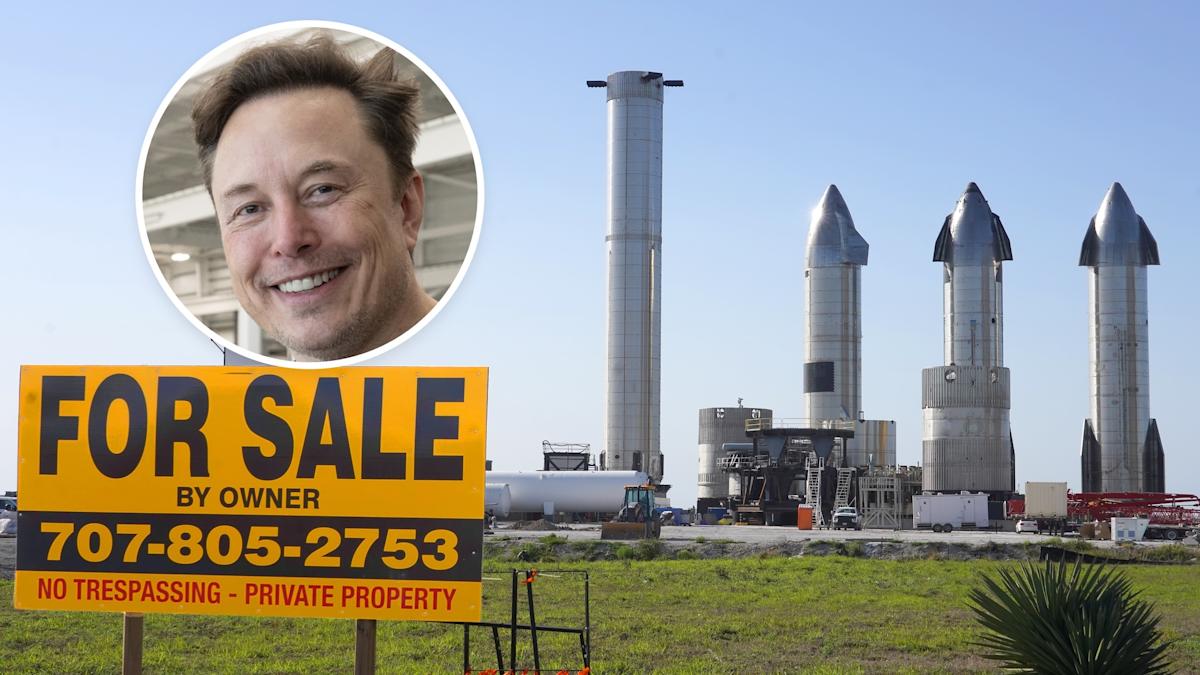
SpaceX has secured a 100 per cent property tax exemption for its planned Terafab semiconductor manufacturing facility in Grimes County, Texas. The agreement, approved by county commissioners on June 4 with a four-to-one vote, replaces standard annual property taxes with a $10 million lump sum payment and subsequent annual payments of $20 million for the next 35 years.
The facility, located at the Gibbons Creek Reservoir site approximately 90 miles northeast of Austin, is being constructed in partnership with Intel. Elon Musk has stated the site will eventually produce a terawatt of computing power annually, manufacturing chips for Tesla vehicles, Optimus robots, and space-based data centres. The projected cost of the facility has risen to $55 billion, nearly triple the $20 billion estimate Musk provided in March.
The approval followed significant community scrutiny, with more than 100 residents attending a local hearing to voice concerns regarding infrastructure strain and transparency. Critics argued that a 100 per cent waiver was inappropriate given SpaceX’s expected valuation of $1.77 trillion ahead of its anticipated Nasdaq debut. Commissioner David Tullos cast the sole no vote, questioning the company’s plans for portions of the land in a proposed reinvestment zone.
Skepticism surrounds the project as none of Musk’s current companies have prior semiconductor manufacturing experience. Tesla previously employed a chip design team, but most members departed after Musk cancelled the Dojo project. In January, Musk publicly criticised the semiconductor industry’s approach to clean rooms, suggesting Tesla could build a 2nm fab with minimal environmental controls, a claim that has fuelled doubt regarding the feasibility of the manufacturing process.
SpaceX has acknowledged the concerns raised by residents, with John Federspiel, senior director of Starlink Product Engineering, stating the company is committed to addressing infrastructure and environmental stewardship responsibly. However, it remains unclear how the firm will mitigate the potential strain on local water and power infrastructure, or how it will navigate the technical challenges of transitioning from chip design to large-scale manufacturing.