SpaceX prices $75 billion IPO, marking largest debut in history
The company’s S-1 filing reveals cumulative losses exceeding $37 billion, while founder Elon Musk retains 85.1 per cent of voting power ahead of its NASDAQ debut.
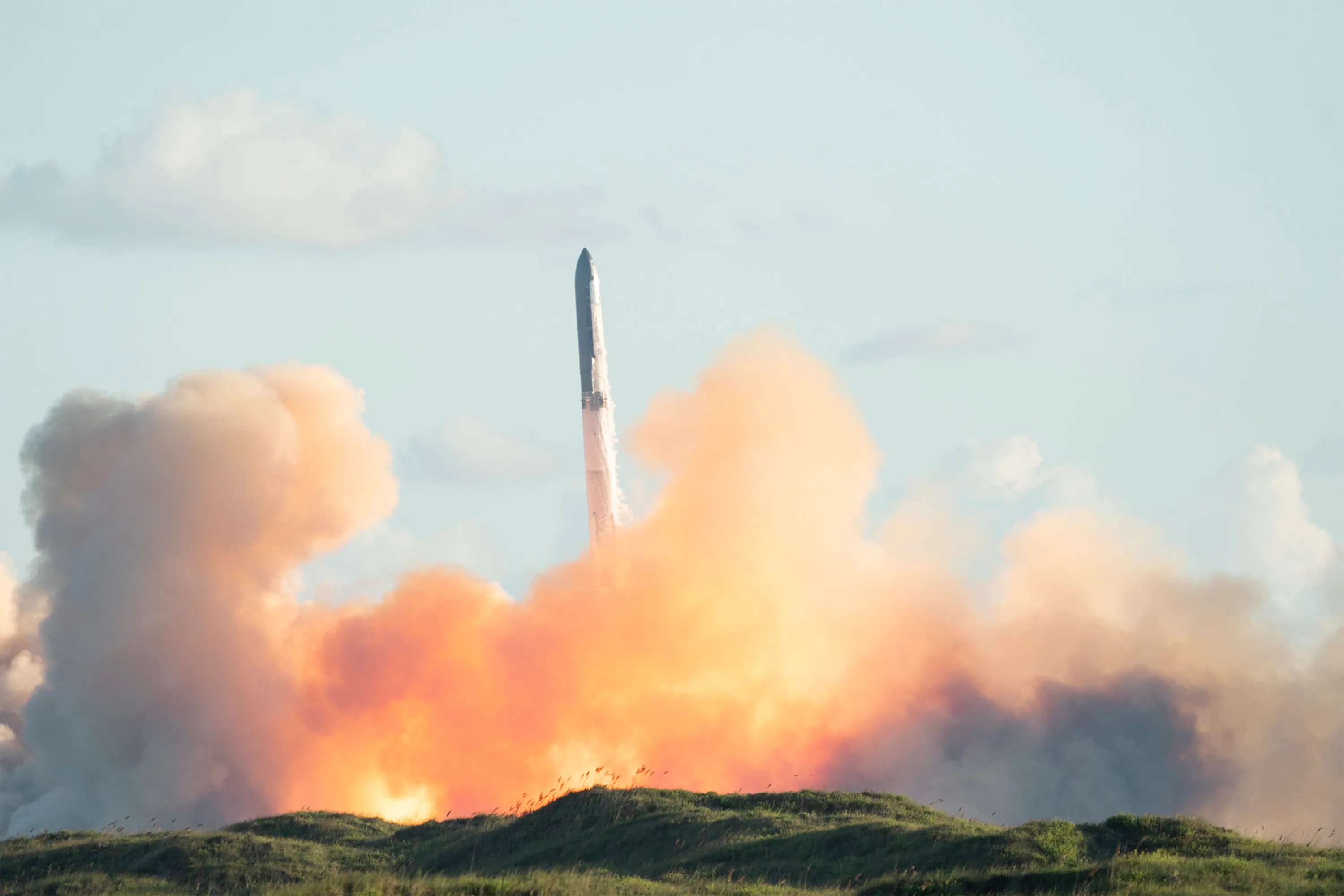
SpaceX has priced 555.6 million shares at $135 each, raising $75 billion in what is reported as the largest initial public offering in history. The company is set to debut on the NASDAQ stock exchange, a move that positions founder and CEO Elon Musk to potentially become the world’s first trillionaire. The valuation comes after 24 years as a private entity, driven by investor interest in its reusable rocket technology and the Starlink satellite network.
Financial disclosures in the S-1 registration document highlight significant losses alongside revenue growth. SpaceX reported a net loss of $4.9 billion on revenues exceeding $18 billion in 2025. Cumulative losses since the company’s inception have surpassed $37 billion. Despite these figures, the offering has attracted substantial attention, with approximately 4,400 employees potentially becoming millionaires following the listing, according to New York Times reporting.
Control of the newly public company remains firmly with Musk, who retains approximately 85.1 per cent of the voting power. This structure grants him a monarchical grip over the business, allowing him to maintain decisive influence over corporate strategy and operations. The S-1 filing also included warnings to investors regarding potential future dilution, which has fueled speculation about a possible merger with Tesla.
Prior to the listing, SpaceX secured significant pre-IPO deals to bolster its balance sheet, particularly through its xAI division. Anthropic agreed to pay $1.25 billion per month for compute services, while Google committed to $920 million per month for similar resources. These agreements were described as addressing unexpected demand for AI products, though opinions vary on the long-term duration of these contracts.
The filing also outlined risks for lower-tier investors, noting that Special Purpose Vehicle (SPV) participants face hidden fees, lengthy payout delays, and potential fraud, with true holdings remaining unknown until post-IPO lock-ups lift. Additionally, the document highlighted uncertainties surrounding Starship’s path to reusability based on recent test flight data, while the company’s business model remains dominated by its Starlink satellite internet operations.